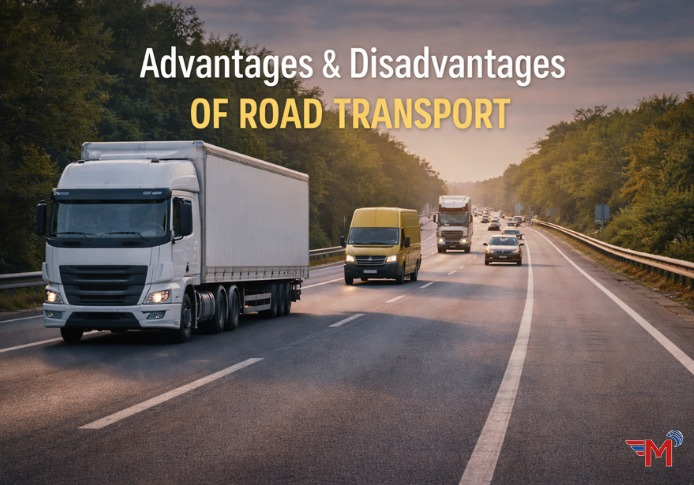
Advantages & Disadvantages of Road Transport
Introduction
Supply chain logistics use Road Transport with other forms of transport to transport their goods and meet customer demands. Companies can use this mode of transport to ship goods from one place to another. It is a reliable and user-friendly mode for business.
It becomes a suitable option for businesses looking for door-to-door goods delivery, service in rural areas, FTL, LTL services, fast delivery and more benefits. Along with the range of benefits, it also has some drawbacks. Before availing such services, you should know about their advantages and disadvantages. Let us read this blog to understand the Road Transport advantages and disadvantages.
"The Backbone of Indian Logistics"
Road transport handles over 60% of freight movement in India, making it the most preferred mode for domestic logistics. Its flexibility and reach make it indispensable for businesses of all sizes.
Movex
Advantages of Road Transport
Road Transport is a suitable mode for the movement of people and goods. Its benefits include accessibility, flexibility, efficiency and cost effectiveness, and contribute to your supply chain and logistics business. Let us talk about its benefits.
- Less Capital Outlay: Road transport requires much less capital investment compared to other modes of transport, like railways and air travel. The costs of building, operating, and maintaining roads are lower than those for railways. Governments and local authorities usually construct roads, charging only a small fee for their use.
- Door-to-Door Service: Businesses seeking door-to-door or warehouse-to-warehouse services can choose road transportation solutions. It saves loading and unloading costs.
- Service in Rural Areas: Road transport is suitable for transporting goods and people to and from rural areas that are not served by rail, water, or air transport. Roads enable the exchange of goods between large towns and small villages.
- Full Truck Load Service (FTL): FTL is one of the fastest and safest ways to move large volumes of freight. It reduces costs and minimizes damage due to direct transport from the pickup point to the delivery site.
- Less than Truckload Service (LTL): Less than Truck Load (LTL) cargo service through parcel carriers and LTL specialists is a great option for moving valuable items quickly and cost-effectively.
- Speedy Delivery: Road transport provides timely and smooth deliveries, delivers your goods quickly to customers and warehouse areas, and meets your logistics operations.
- Flexibility: Routes and schedules can be adjusted to meet the specific transportation needs of customers.
- Less Risk of Damage in Transit: By avoiding intermediate loading and handling, there is a lower risk of damage or breakage during transit. Road transport is suitable for transporting fragile items like chinaware and glassware.
Disadvantages of Road Transport
While road transport has many advantages, it also comes with drawbacks. It is important to understand these downsides to grasp their effects on society, the environment, and the economy. Let us look at the disadvantages of road transport:
- Weather Impacts: Road transport is highly susceptible to weather changes and seasons. During the rainy season, roads can become unsafe and unsuitable for driving.
- Accident Rate: It has the highest accident rate. The sector is working to reduce this by investing heavily in safety, renewing fleets, and training drivers.
- Less Load Capacity: Even modern mega-trucks available to carry 60 tons, that is still far less than a ship, train, or plane. Road transport can't handle heavy loads and may not fit some logistics businesses.
- Traffic Limitations: Traffic jams, especially near cities and industrial areas, can cause delivery delays. However, professionals are increasingly using technology to anticipate these issues.
- Slow Speed: This mode is not as fast as air or rail transport. Its slower speed can be a disadvantage and a hindrance for urgent deliveries.
- Safety Risks: It raises safety issues due to the risk of accidents and fatalities. Factors like speeding, reckless driving, driver fatigue, and poor road conditions contribute to accidents.
- Lack of Organization: This industry is less structured and less organized than air, rail, and water transport. Road transport can be irregular and unreliable.
- Unfit for Long-Distance and Heavy Loads: For long distances, road transport is not as efficient or cost-effective compared to rail or sea transport.
Why Choose Movex Warehousing for End-to-End Transportation Services?
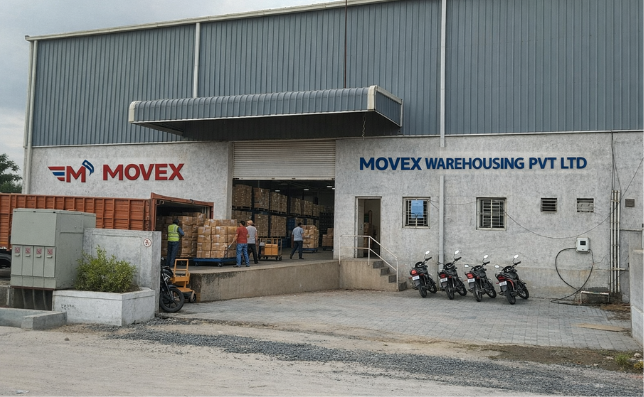
At Movex Warehousing, we focus on providing end-to-end transport solutions and FTL and LTL transport services to meet your business needs. We deliver integrated road transportation solutions that combine efficiency, technology, and reliability to ensure seamless movement of goods from origin to destination. Here's why you can choose us:
- End-to-End Logistics Management: We manage pickup, transportation, warehousing coordination, and final delivery, offering a single-point solution without operational gaps.
- Pan-India Fleet Network: Due to our large fleet and all-India network, we provide timely, good delivery across India, at famous industrial hubs and even remote locations.
- Real-Time Tracking & Visibility: When you choose us for transportation services, we provide advanced tracking systems to stay updated about your shipments. It gives proactive alerts and clear communication throughout the process.
- Customized Solutions: We create transport plans tailored to cargo type, volume, timelines, and industry needs to optimize cost and performance.
- Compliance & Safety Assurance: We strictly adhere to safety standards, provide driver training, and ensure regulatory compliance to protect cargo and ensure risk-free transportation.
- Scalable & Reliable Operations: From single shipments to large-scale distribution, we easily scale transportation capacity to meet growing business demands.
Conclusion
Road transport provides various advantages to your logistics business including flexibility, accessibility, cost-effectiveness, efficiency, and job opportunities. But it also has some disadvantages, like traffic, environmental impact, safety issues, reliance on fossil fuels, and infrastructure maintenance.
To increase the benefits and reduce drawbacks, you should adopt sustainable practices, technological progress, and effective management strategies. This creates a balanced approach and provides maximum benefits of this method to your business. It also supports economic growth, connectivity, and convenience while reducing its negative effects.
Frequently Asked Questions (FAQs)
1. What are the advantages of road transportation?
Road transportation provides various benefits in logistics, including flexibility, speed, availability and reduced costs on short routes. It also provides door-to-door goods delivery on time, without damage risks.
2. What are the drawbacks of road transport?
Its drawbacks include security risks, environmental impact, infrastructure dependency, traffic congestion, and higher accident rates compared to other modes.
3. When is road transport the best choice?
Road transport is the best choice for small and fast deliveries, domestic and regional deliveries, door-to-door service requirements, and areas not well-connected by rail or air.
4. Is road transport more affordable than air or rail?
Yes, road transport is more affordable than rail or air transport for short distance moves. For long distances and bulk goods delivery, you can choose sea or rail transport for better cost efficiency.
5. What industries use road transport services?
The E-commerce, FMCG, pharmaceuticals, retail, construction, and agriculture industries mostly use road transport services because they need fast and flexible deliveries.