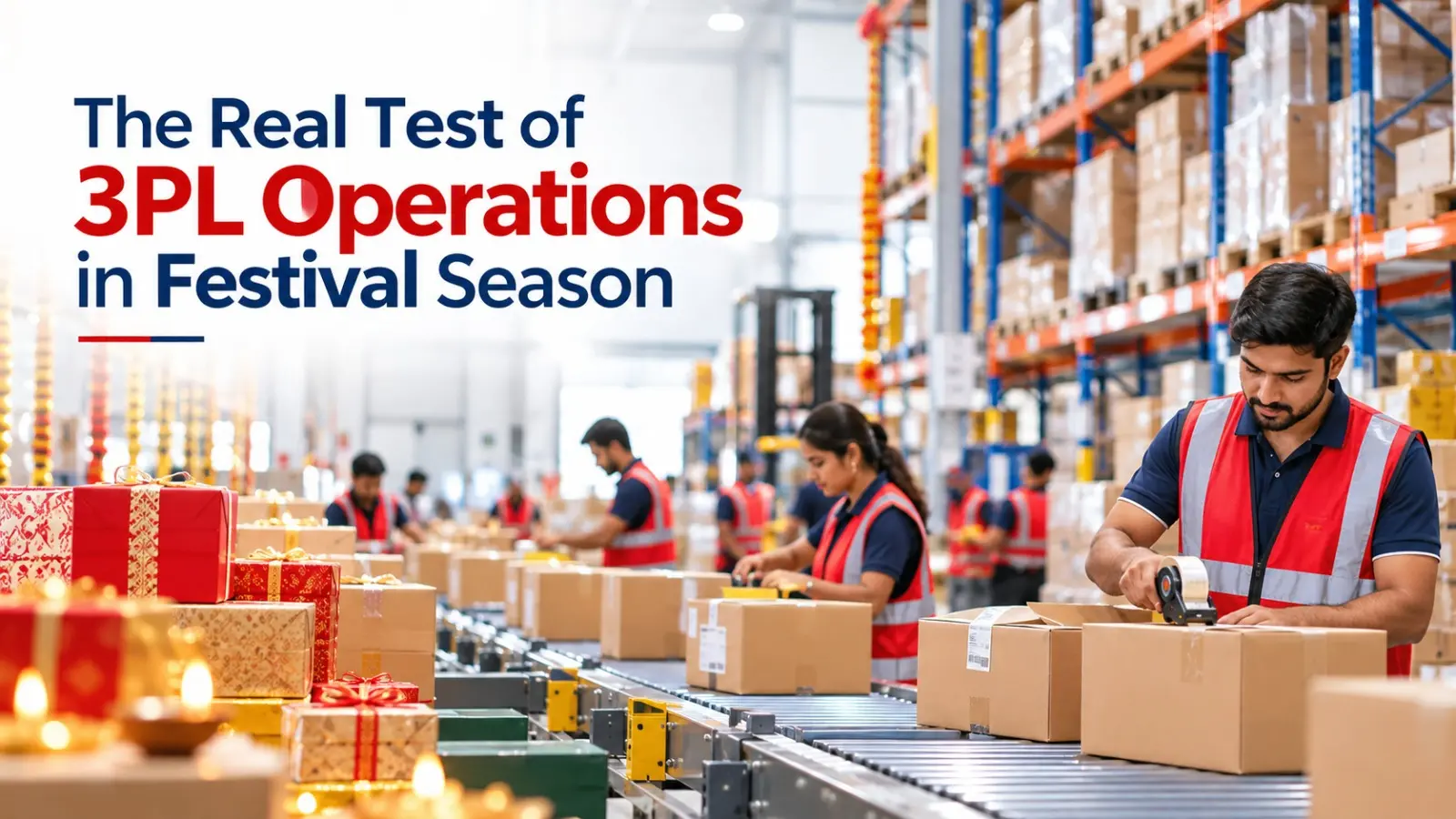
The Real Test of 3PL Operations in Festival Season
In India, the festive season is characterised by a sharp rise in consumer activity because demand in most sectors increases considerably. Between Dussehra and Diwali, Eid and Christmas, consumers tend to engage in a shopping spree for gifts, clothes, electronics, and home décor, which leads to a major increase in sales. The extent of this increase makes it difficult for any business to address and ensure timely and efficient deliveries. Here, third-party logistics providers play a vital role. They offer the necessary expertise and infrastructure to meet the higher logistical demands during the festive period.
Why Festival Season Puts 3PL Operations Under Pressure
At festivals, there can be a sharp increase in customer demand. Retailers and businesses selling online may have to handle the order volume several times more than their normal amount, even though customers expect quick and reliable delivery. It leads to pressure at multiple stages of logistics.
- For inbound receiving, more products reach the warehouses and have to be checked, recorded, and stored rapidly.
- In high-volume sales, stock levels can change very quickly, which can increase the risk of discrepancies.
- In order processing, the picking and packing teams have to check a greater number of orders without making any more mistakes.
- In terms of transportation, carriers are encountering higher demand, have a limited number of vehicles available, and are dealing with congested routes.
- When sales go up, the number of exchanges and returns rises.
- When it comes to communicating with customers, accurate tracking information becomes more important because customers are closely monitoring the deliveries for the festival.
The 3PL operations should coordinate all the stages rather than treating them as individual activities.
Key Operational Challenges
The festival season puts pressure on all aspects of 3PL operations, whether it be warehouse storage and order filling, transportation, or handling of returns. When the number of orders increases, even minor deficiencies in capacity, staffing, or coordination can result in delays and mistakes. If these problems are recognised early on, 3PL providers will be able to prepare their operations before the peak period comes around.
-
Space Deficits
Festival demand can exceed the original predictions, which places a stress on the warehouse space available. If the aisles are crowded, the inventory is not well placed, and there are limited picking areas, then operations will be slowed down and picking times will increase. It is necessary to have effective slotting and to perform advance capacity planning if high-demand products are to remain accessible. -
Labour Pressure
Hiring temporary workers may increase the warehouse capacity, but it is more difficult to get them fully ready for peak operations. Because picking, packing, and scanning all require a high degree of accuracy, fast onboarding can lead to more errors. Before order volumes reach their peak, seasonal workers must have clear processes, practical training, and supervision. -
Last-Mile Delays
Deliveries become more difficult during the peak festival times. The increased volume of shipments, traffic jams, and the limited capacity of carriers can have an impact on delivery schedules. The problems can be greater when dealing with cities in Tier 2 and Tier 3, as the transport networks in those areas may offer fewer alternatives. -
Reverse Logistics Backlog
The workload in the logistics area doesn't stop when the festival orders have been dispatched, because returns and exchanges can start coming in when the warehouse teams are still handling a high volume of outbound shipments. If there is no predetermined reverse logistics procedure in place, the returned goods will build up and place extra stress on both warehouse space and the staff.
How Third-Party Logistics Service Providers Meet Festive Season Demand
Here is how does the 3PL companies meet festive season demand
-
Scalability and Flexibility
One of the main advantages of the partnership is the ability to scale the operations with the 3PL provider. Because businesses experience a significant increase in the number of orders during festivals, there is a need to expand operations very quickly. 3PL providers ensure that the logistics operations are flexible enough to increase or decrease according to sales. They can manage up to five times more sales on any given day. If that still isn't sufficient, further resources are put in place when needed to deal with such volumes. They also keep extra packing stations in all their warehouses so as not to delay order fulfillment and prove that they have the necessary infrastructure available at all times. -
Advanced Technology Integration
To ensure that their supply chains proceed in the correct direction, 3PLs make substantial investments in technology. The technological capabilities available, such as real-time tracking systems, automated warehouse management, and AI-driven route optimization, allow companies to improve their internal processes, speed up delivery times, and keep customers informed about the status of their orders. They can easily handle even the most intense delivery demands during the festive season because they use highly advanced logistics technology. -
Cost Efficiency
This is important during the festive season, a time that is generally too costly for small and medium-sized enterprises. 3PL logistics providers spread the cost of logistics among a number of clients to offer an economical solution. Because of the cost-sharing model, less financial pressure is placed on each business, and it can obtain access to high-quality logistics services which it would not otherwise be able to afford. That is why SMEs in India work with 3PL providers to get access to large logistical networks without making heavy initial investments. -
Efficient last-mile delivery
Last-mile delivery is the most difficult part of the entire supply chain, particularly because such high volumes are anticipated this festive season. Logistics companies operate independently of the main providers and handle these kinds of complications. They make it possible to deliver goods in a timely manner from the most densely populated metropolitan areas to remote rural regions. Their expertise in last-mile delivery means that customers' orders are delivered quickly even when there is a surge during the festive period.
Measuring 3PL Performance During Festival Season
Peak season offers the chance to evaluate the true strength of a 3PL operation, with performance assessed based on data rather than only depending on whether the orders were dispatched. Important KPIs may include
| KPI | What It Measures |
|---|---|
| Order accuracy | Whether customers receive the correct products and quantities |
| Order cycle time | Time taken from order receipt to dispatch |
| On-time delivery | Whether shipments reach customers within the committed timeframe |
| Inventory accuracy | Difference between recorded and physical stock |
| Picking productivity | Orders or units processed by warehouse staff |
| Return processing time | Speed of handling returned products |
| Damage rate | Products damaged during storage or transportation |
| Warehouse utilisation | How efficiently available space is being used |
You should compare these figures with those from the normal period; it is possible to identify the areas in which the operation had difficulties and the areas where the processes worked well.
Critical Festival Season Readiness Timeline
Preparation for the peak season must start well before the festival sales go live. By establishing a phased timetable, 3PL teams are given sufficient time to forecast demand, prepare warehouse capacity, train their staff, secure transport, and test the operational processes. Dividing the preparatory work into definite stages helps to reduce the last-minute disruptions when order volumes rise.
-
T-45 Days: Forecast and Secure Resources
About 45 days before the expected peak, the 3PL teams should look over historical sales data, client forecasts, and the anticipated increases in demand. They should review the reorder points, assess the warehouse capacity, and confirm the packaging requirements. -
T-30 Days: Prepare the Warehouse and Workforce
The warehouse layouts should be checked 30 days before the peak demand, and the fast-moving products should be placed to allow for efficient picking. The storage spaces can be changed as per the expected volume of orders, and seasonal workers should start training in the areas of picking, packing, scanning, and safety. -
T-15 Days: Strengthen Transport and Test Processes
Thirty-one days before the peak, the 3PL providers should check carrier capacity and set up alternative transportation arrangements if necessary. The quotas for vehicle pickups can be fixed, the delivery schedules examined, and the main workflows tested using simulations. -
Live Sale (T-0): Monitor in Real Time
When the festival sale starts, it is essential to have real-time visibility. Inventory must stay synchronised between the various sales channels and the warehouse systems to reduce the risk of overselling. The teams should keep an eye on order volumes, stock levels, picking performance, carrier pickups, and delivery exceptions so that any emerging problems can be dealt with quickly.
How Movex Warehousing 3PL Supports Ecommerce Fulfillment
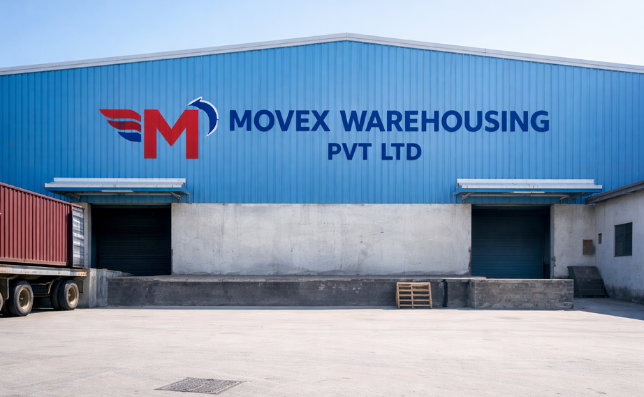
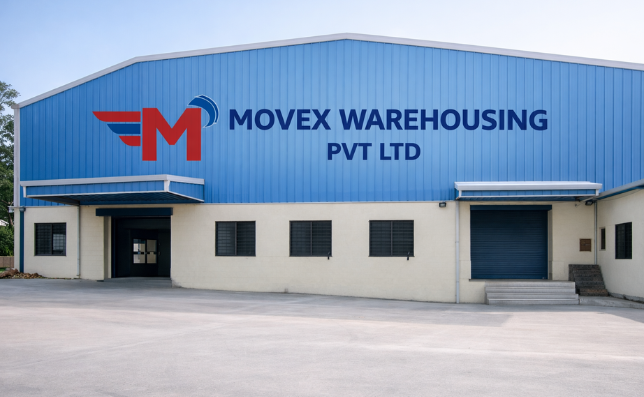
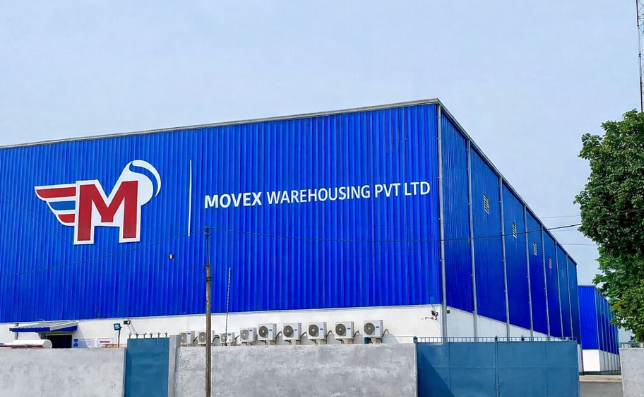
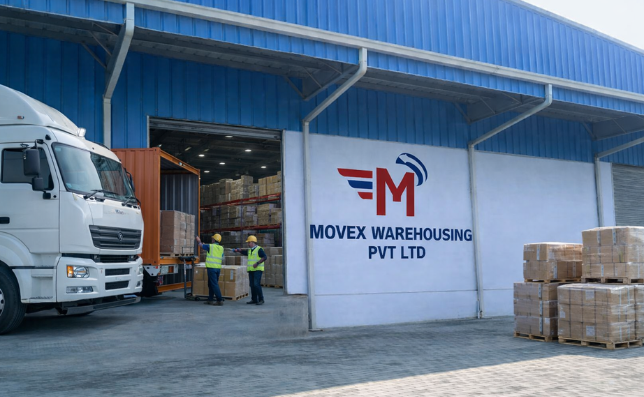
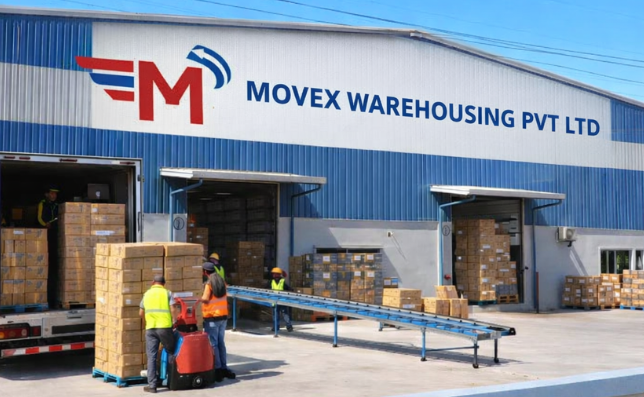
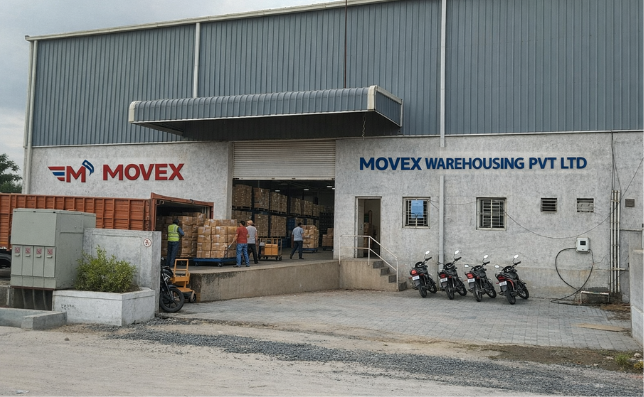
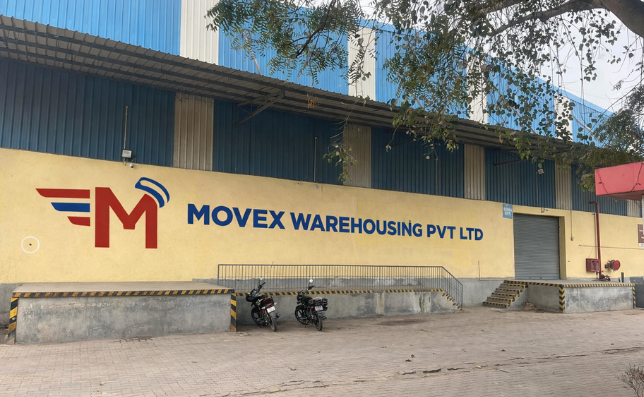
Movex Warehousing 3PL helps e-commerce brands prepare for the peak season earlier, when order volumes actually begin to rise, considering inventory planning, warehouse capacity, and order processing speed as part of a single system rather than as separate issues to be resolved. It involves keeping the inventory in place before demand rises rather than waiting until after the fact. The team performs trials of the picking and packing process before demand rises, and the carrier team pays attention to avoid shipping delays instead of dealing with them after they occur.
For e-commerce businesses that want to grow during their busiest months without losing control of accuracy or the customer experience, this sort of preparation is exactly what holiday fulfillment demands.
Conclusion
The festival season can measure how well a 3PL operation can address the sudden increase in demand without sacrificing accuracy, speed, or visibility. If companies make adequate preparations in the areas of warehousing, labour, inventory, transportation, and reverse logistics, they will be able to handle the high volumes more efficiently.
Moreover, having a step-by-step readiness plan backed by reliable technology and ongoing performance monitoring can help to spot bottlenecks before they affect customers. For 3PL providers, it is essential to get ready early and to keep their operations coordinated if they are to manage festival demand while still running their fulfilment and delivery processes smoothly.
FAQs
1. What makes the festival season difficult for 3PL operations?
During the festival season, there are sudden increases in order volume, limited warehouse capacity, labour shortages, pressure on transportation, and a rise in the number of returns. These factors can lead to bottlenecks in the areas of fulfilment, delivery and reverse logistics.
2. What steps can 3PL providers take to prepare for increased demand during festivals?
3PL logistics providers can analyse forecasts, secure warehouse and labour capacity, train seasonal workers, place fast-moving inventory in position, confirm carriers, and test fulfilment processes before demand reaches its peak.
3. Why is inventory accuracy important during festival sales?
Having an accurate inventory helps to avoid the problems of overselling, cancelled orders, and delays in fulfilment. The ability to see stock levels in real time enables 3PL providers to coordinate inventory among warehouses, sales channels, and their clients' systems when there is high demand.
4. How does technology support peak-season 3PL operations?
Warehouse and transportation management systems offer visibility into inventory, orders, shipments, and delivery performance. With integrated technology, it can reduce manual errors and allow teams to respond quickly to operational problems.
5. Why should 3PL providers plan for reverse logistics?
Festival sales can lead to a higher number of returns and exchanges. If reverse logistics are planned earlier, warehouses will be able to efficiently handle returned products, update their inventory, and avoid the return volumes disrupting normal fulfilment.