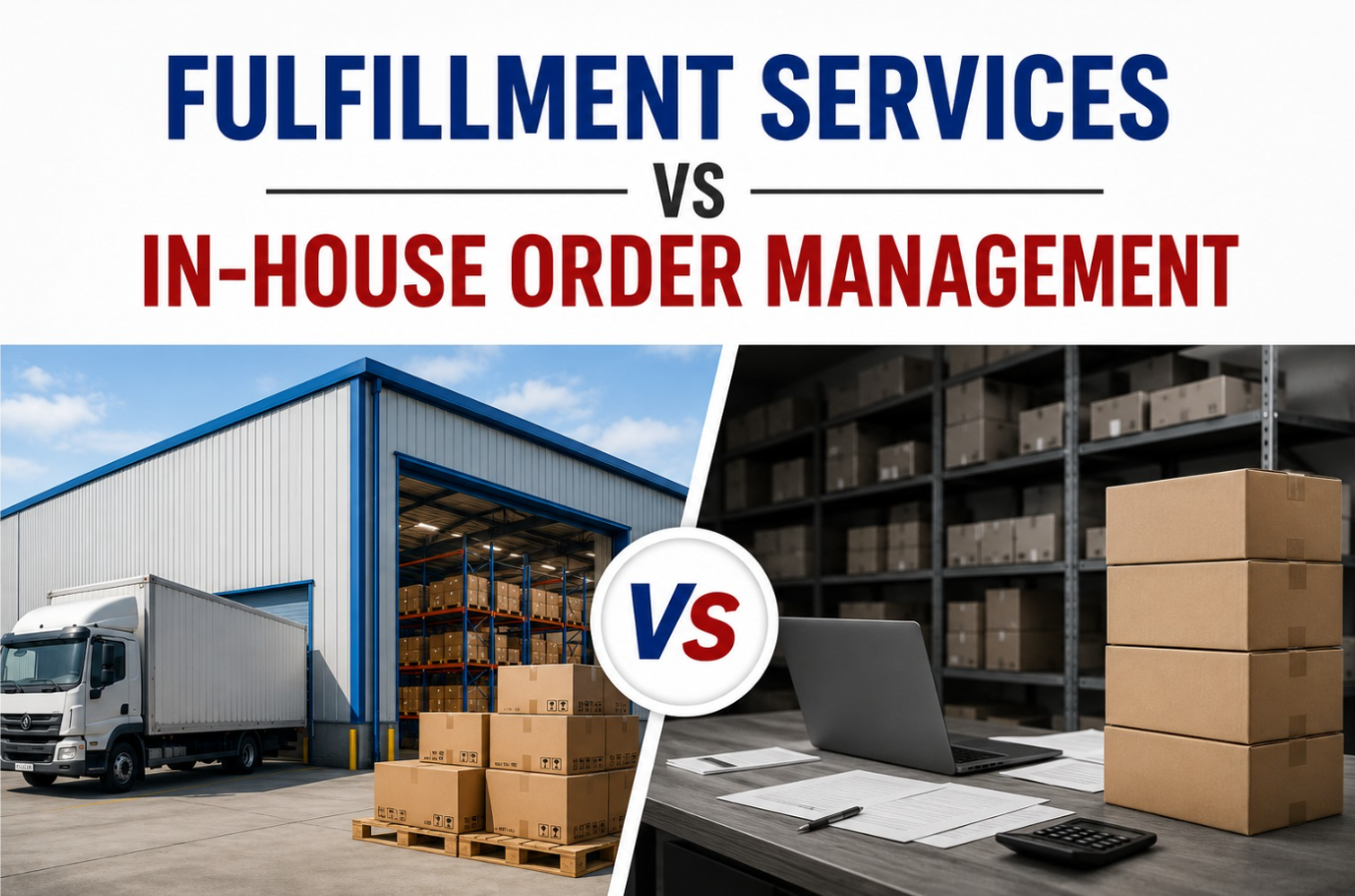
Fulfillment Services vs In-House Order Management: Which Option Saves More Time and Money?
Managing customer orders is becoming complex for businesses, especially in the evolving stage. When it starts as packing a few parcels every day, it can turn into handling hundreds of orders, managing inventory, coordinating shipping, and processing returns. Many businesses face the important decision: should they continue managing orders in-house or outsource E-commerce Fulfillment?
Both services have their own advantages, but you have to make the right choice as per your order volume, budget, business size, and goals. Even in-house order management gives greater control to your business, but outsourcing improves delivery speed, reduces operational costs, and saves you time for business growth. In this blog, we tell you the differences between outsourced Warehouse Fulfillment and in-house order management, and help you choose the right option to save time and money.
What Are Fulfillment Services?
Fulfillment services are outsourced logistics solutions that handle the order fulfillment process on behalf of a business. Rather than storing inventory and shipping products yourself, a fulfillment allow you to manage these operations directly from warehouse. Most fulfillment providers can handle
- Inventory storage
- Inventory tracking
- Order processing
- Picking and packing
- Packaging
- Shipping
- Returns management
- Delivery coordination
Once a customer places an order, the Third-Party Fulfillment provider receives the order automatically, prepares, ships, and updates tracking details, without your involvement.
What is Outsourced Fulfillment?
Outsourced fulfillment means partnering with a third-party logistics provider (3PL) to manage packing, storage, returns, and shipping solutions. This approach can simplify operations and allow you to focus on growth strategies rather than logistics.
Advantages
Here are the advantages of outsourced fulfillment services
- Faster Shipping and Wider Reach: 3PLs provide you with global services with quick and affordable shipping options that customers expect today.
- Lower Upfront Costs: The outsourced fulfillment services are available at lower upfront costs and are suitable for your startups.
- Flexibility and Scalability: Whether you are increasing operations during busy times or reducing them during slower periods, 3PLs adapt quickly to meet demand without needing extra internal resources.
- Access to Expertise: Experienced professionals understand supply chain management and logistics. They are familiar with industry standards and technology advancements, ensuring quality service.
Disadvantages
The disadvantages of outsourced fulfillment services are given below
- Reduced Control: By outsourcing E-commerce Fulfillment services, you can lose control of your inventory and product handling. It makes it tough to maintain accuracy and quality standards.
- Limited Customization: These services not provides you flexibility for specialized packaging or branded experiences and become tough to add unique features that make your brand distinguish.
- Potential for Higher Costs: Costs can vary with different 3PL providers based on order volume, service level, and storage needs. There can also be hidden costs that affect businesses with limited funding.
- Dependence on a Third Party: When relying on an outside company to manage order processing, any delays or system failures on their end can impact your entire fulfillment process, affecting your customers.
What is In-House Order Management?
With in-house order management, your company takes charge of its own order processing, from warehouse receiving to picking, packing, and shipping orders to customers. There are several advantages and disadvantages to handling your fulfillment operations in-house.
Pros of Fulfillment In-House
Here are reasons why many companies choose to manage the complete order Third-Party Fulfillment process, including packing, shipping orders, storing inventory, and overseeing inventory management.
- Cost-Effectiveness: In-house order management is often cheaper than working with a 3PL, particularly for smaller operations. Storing your inventory on your premises avoids external costs for receiving and storage, as well as variable fees per order.
- Control: In-house order management gives you full control over the entire process, including inventory management, packing, shipping solutions, and maintaining quality standards. Many leaders prefer direct oversight of their organization's inventory and quality control.
- Brand Consistency: Managing your order Third-Party Fulfillment process internally allows you to control every touchpoint, including branded packaging, custom inserts, and personalization. You can also train your employees on brand standards and handling protocols.
- Flexibility: It allows you to easily adapt to special promotions, custom orders, personalization, or unique packaging needs. A 3PL may delay you as you wait for them to implement necessary changes.
- Direct Customer Relationships: Handling orders in-house gives you immediate access to customer data and order information. Many companies prefer to handle customer interactions personally for a more customized experience.
Cons of In-House order management
In-house order management has its challenges. Here's why some businesses choose to avoid it.
- High Fixed Costs: Handling order fulfillment in-house means incurring high costs, including warehouse space, equipment, technology systems, insurance, and utilities. These costs can add up quickly and reduce your profits.
- Labor Management: Managing orders in-house requires staff, which means hiring, training, managing, and retaining employees. As your business grows, you will need more staff to handle the increased volume.
- Scalability Limitations: Dealing with seasonal spikes, a sudden influx of orders, or rapid growth can be tough with in-house fulfillment. There is a limit to what your employees can do, and bringing in seasonal workers presents its own challenges.
- Geographic Limitations: Shipping from a single location limits your ability to provide fast shipping to distant customers. In-house fulfillment makes it hard to offer efficient global shipping since it requires a network of international facilities. This would require building multiple facilities in various regions or even globally.
- Time Intensiveness: Handling Warehouse Fulfillment in-house pulls management's focus away from core business tasks like product development, strategy, and marketing.
- Technology Investment: To manage in-house fulfillment well, you need to invest in a Warehouse Management System (WMS), inventory-tracking software, and integrations with different shipping providers. These costs can be higher than expected.
Comparison Table of Fulfillment Services vs In-House Order Management
Third-party fulfillment services (3PLs) handle shipping and warehousing and make it suitable for your fast growth and scaling. On the other hand, In-house order management (self-fulfillment) keeps everything under control but requires high upfront costs and labor. Here are the key differences between it
Let Movex Warehousing to Outsourced Solutions for Your Business
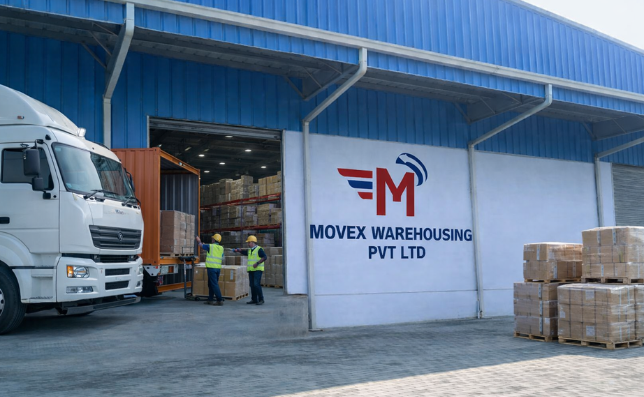
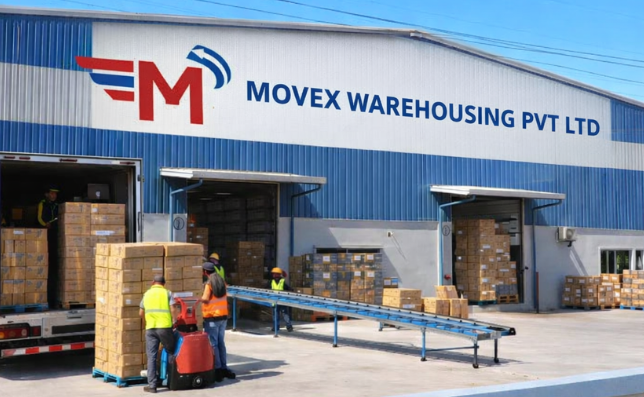
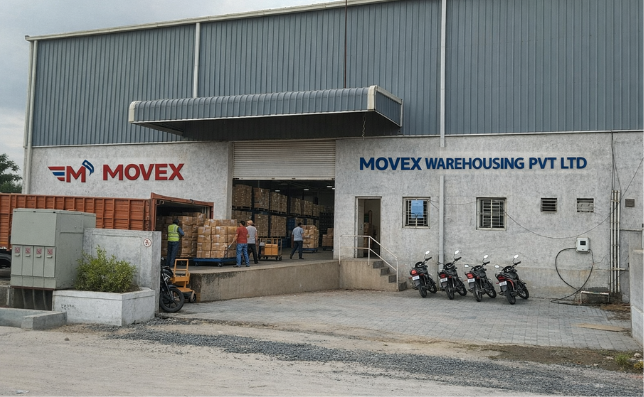
If you want to simplify your supply chain management while reducing costs, Movex Warehousing can assist you. We are an e-commerce fulfillment distribution center that offers modern contract logistics, warehousing, and fulfillment solutions to clients around the world.
Contact us to know more about the advantages of outsourced fulfillment and to get a free customized quote.
Conclusion
Choosing between in-house order management and outsourcing to a 3PL is based on your business's specific needs, financial goals, and growth plans. If you are an established company that values control over logistics, then you can manage orders in-house. But it requires a substantial upfront investment and ongoing fixed costs.
Outsourcing order fulfillment services to a 3PL provides more scalability and flexibility. With fulfillment fees usually taking up 25–35% of each order, this variable cost model means you only pay for what you need. Currently, 43% of shippers outsource warehouse operations to handle changing demand, and companies have found they can reduce operational costs by up to 30% through outsourcing.
Frequently Asked Questions (FAQs)
1. What unexpected costs can arise with outsourced fulfillment?
Outsourcing fulfillment can seem simple, but it comes with hidden costs. It includes extra costs for packaging, return processing, and special handling requests. To avoid surprises later, you have to review contracts and then book fulfillment services.
2. Can I switch from outsourced fulfillment back to in-house?
Yes, you can switch from outsourced fulfillment to in-house order management services, but with careful planning. Make sure to secure reliable warehouse space, hire staff, and set up systems before moving inventory back.
3. Will outsourcing fulfillment affect my customer satisfaction?
No, it doesn't affect your customer satisfaction if you choose the right partner for fulfillment outsourcing. You can trust Reliable 3PLs who have high accuracy rates (99%+), provide you with strategic warehouse locations, and meet your fulfillment needs.
4. Are order fulfillment services suitable for small businesses?
Yes, it is suitable for small businesses because of low storage costs, professional logistics, and better shipping speed. You don't need to invest in an extra warehouse and staff to fulfill your orders.
5. Can fulfillment services improve customer satisfaction?
Yes, the order fulfillment services improve customer satisfaction by handling accurate inventory management, real-time tracking, smooth returns, and reliable shipping. It gives a better customer experience and improves the loyalty rate.