How Warehouse Services Improve Supply Chain Efficiency
Efficient supply chain management is important for customer satisfaction and to keep your business competitive. The important component for supply chain efficiency is warehousing. Modern warehousing is much more than only storing products, but it helps you to manage inventory, improve order fulfillment, reduce costs, and increase operational efficiency.
Whether you are working in a retail business, a manufacturing agency, an ecommerce store, or a distribution network, effective warehousing is important to improve logistics performance and business operations. In this blog, we tell you the role of warehouse services for supply chain efficiency, their benefits, and the technologies that drive your business growth.
Understanding Warehousing in Supply Chains
Warehousing is the backbone of supply chain management and serves as the link between raw material suppliers and end customers. You must understand this connection to optimize your supply chain operations.
It helps to store goods till they are needed elsewhere in the supply chain. It includes anything from finished products ready for shipment to raw materials awaiting production. The effective warehousing solutions meet your different types of needs, whether your e-commerce business wants quick turnarounds or manufacturers want bulk storage facilities.
How Modern Warehousing Impacts Supply Chain Efficiency
Here are the ways how does the Modern warehouse services improve supply chain efficiency
1. Inventory Management and Accuracy
The benefit of modern warehousing is that it improves inventory control. It allows businesses to track stock levels, monitor product movement, and maintain records of available inventory. Supporting effective inventory management prevents overstocking, stock shortages, lost inventory, and order fulfillment errors.
With real-time inventory visibility, companies can make better purchasing and production choices.
2. Automation and Robotics
The warehouse management systems (WMS) use robotics and automation for several tasks. From robotic picking and packing to automated storage and retrieval systems (AS/RS), it speeds up order processing and increases operational efficiency. By enabling the Automated systems to work continuously, it reduces human error and reduces labor costs. Its benefits include quick order processing, less human error, and high operational efficiency.
3. Reduced Lead Times
One of the most significant advantages of a modern Logistics Warehouse is shorter lead times. By using automated systems and strategically located warehouses, businesses can ensure quicker order fulfillment and delivery. Many modern warehouses are situated closer to key markets, which cuts down transportation time and costs. This geographical benefit leads to faster turnaround times, essential in industries where speed matters. The benefits it offers are lower transportation costs, shorter order fulfillment times, and faster customer deliveries.
4. Order Fulfillment Process
Warehouse services support you in order fulfillment process includes picking items at the right time, pack it for shipment and ensure timely delivery for customers. During order preparation, products are selected for customer orders, checked for accuracy, and packed for shipment. This process is important to maintain customer satisfaction and meet customer demands.
Effective warehouse management plays a vital role in ensuring timely and accurate order fulfillment. Proper inventory management reduces delays and improves processing times, supporting efficient order fulfillment. Faster and cheaper shipping enhances customer service, which leads to repeat business.
Using warehouse management systems (WMS) improves visibility and efficiency in the order fulfillment process. WMS enables real-time tracking of inventory levels, quick identification of issues, and streamlined order management, which leads to better operational performance.
5. Data-Driven Decision-Making
The warehousing system uses big data and analytics and helps you make smarter decisions. By gathering and analyzing data from various sources, they can optimize their operations, forecast demand more accurately, and track key performance indicators (KPIs) to ensure efficiency. Data helps businesses spot areas for improvement, whether that means reducing bottlenecks or optimizing delivery routes. The benefits it provides are improved demand planning and forecasting, data-driven decision-making, and regular process optimization.
6. Flexibility & Scalability
As businesses grow, the need for logistics warehouses changes. Modern warehouses facilitate scalability and allow you to quickly adjust their storage capacity and operations as demand shifts. Whether you are managing larger product lines, accommodating seasonal peaks, or expanding into new markets, modern warehouses provide you with the flexibility to scale operations without major infrastructure investments. It helps you to scale operations as demand increases, adapt to seasonal fluctuations, and reduce costs.
7. Cost Savings
The Warehousing Services result in cost savings benefits. Businesses can lower operating costs by cutting lead times, improving inventory accuracy, and increasing automation. Storing goods closer to key markets lowers transportation costs, and better inventory management results in less wasted stock. Companies can reinvest these savings elsewhere, making them more competitive. It reduces labor and operational costs and transportation expenses and increases profitability.
8. Sustainability
Because businesses today focus on sustainability, modern warehouse solutions help to reduce environmental impact. warehouse can adopt eco-friendly practices, such as renewable energy sources, energy-efficient lighting, and environmentally friendly packaging. By focusing on sustainability, it helps your business to reduce its carbon footprint, appeal to eco-friendly customers, and improve brand image. It reduces environmental impact, provides you with cost savings benefits through energy efficiency, and enhances brand reputation.
9. Support Value-Added Services
Many warehouses now provide value-added services beyond storage and shipping. These services include product labeling, kitting, assembly, or even light manufacturing tasks performed in the warehouse before final delivery.
For example, a warehouse might assemble product bundles for holiday promotions or apply custom branding for different retail partners. By handling these services in-house, businesses avoid the need for additional vendors or shipping steps, speeding up the time from order to delivery.
This flexibility helps companies respond quickly to changing market demands, such as customizing products for specific retailers or creating limited-edition product lines without disrupting the rest of the supply chain.
10. Improved Customer Satisfaction
Efficient Warehousing Services can result in quicker order fulfillment and boost customer satisfaction and loyalty. Customers can expect fast turnarounds for their orders, and managed fulfillment warehousing can ensure timely deliveries. It meets customer expectations and needs.
By providing timely delivery to customers, it improves their experience. It also comes with value-added services such as industrial packaging solutions, custom crates, and palletizing services, and improves customer experience. These tailored solutions meet their unique needs. Well-managed warehouses build strong relationships with suppliers and customers through reliable service, contributing to overall customer satisfaction.
Role of Technology in Modern Warehousing
Technology can revolutionize Logistics Warehouse operations. Automated systems can easily handle tasks that were once done manually. It reduces errors and boosts efficiency. Here are the technologies that transform warehouse operations
- Robotics
Robotics plays a major role, with machines taking care of repetitive tasks like picking and packing. They work tirelessly, allowing human workers to focus on more complex job duties that require decision-making. - WMS
WMS, or Warehouse Management Systems, streamline processes by providing real-time data. Businesses can track inventory levels accurately, making it easier to manage stock and cut holding costs. - IoT
Additionally, IoT devices help monitor conditions within warehouses. Temperature sensors ensure perishable goods are stored properly, while RFID technology tracks items throughout the supply chain seamlessly. - Advanced analytics
Advanced analytics also assist businesses in predicting demand fluctuations. By examining trends, companies can adjust their inventories proactively instead of reacting to market changes.
Adopting these technologies improves overall productivity in warehousing services in India and beyond.
Impact of Warehousing on Supply Chain Efficiency
Warehousing services can improve the supply chain efficiency by reducing shipping costs and speeding up delivery times. There are warehouses available in optimal locations that integrate with technology like tracking and automation and improve inventory. It reduce errors and make products reach faster to customers. It results in better stock levels, increased customer satisfaction, and quicker responses to customer needs.
How Movex Warehousing Supports Warehousing Needs
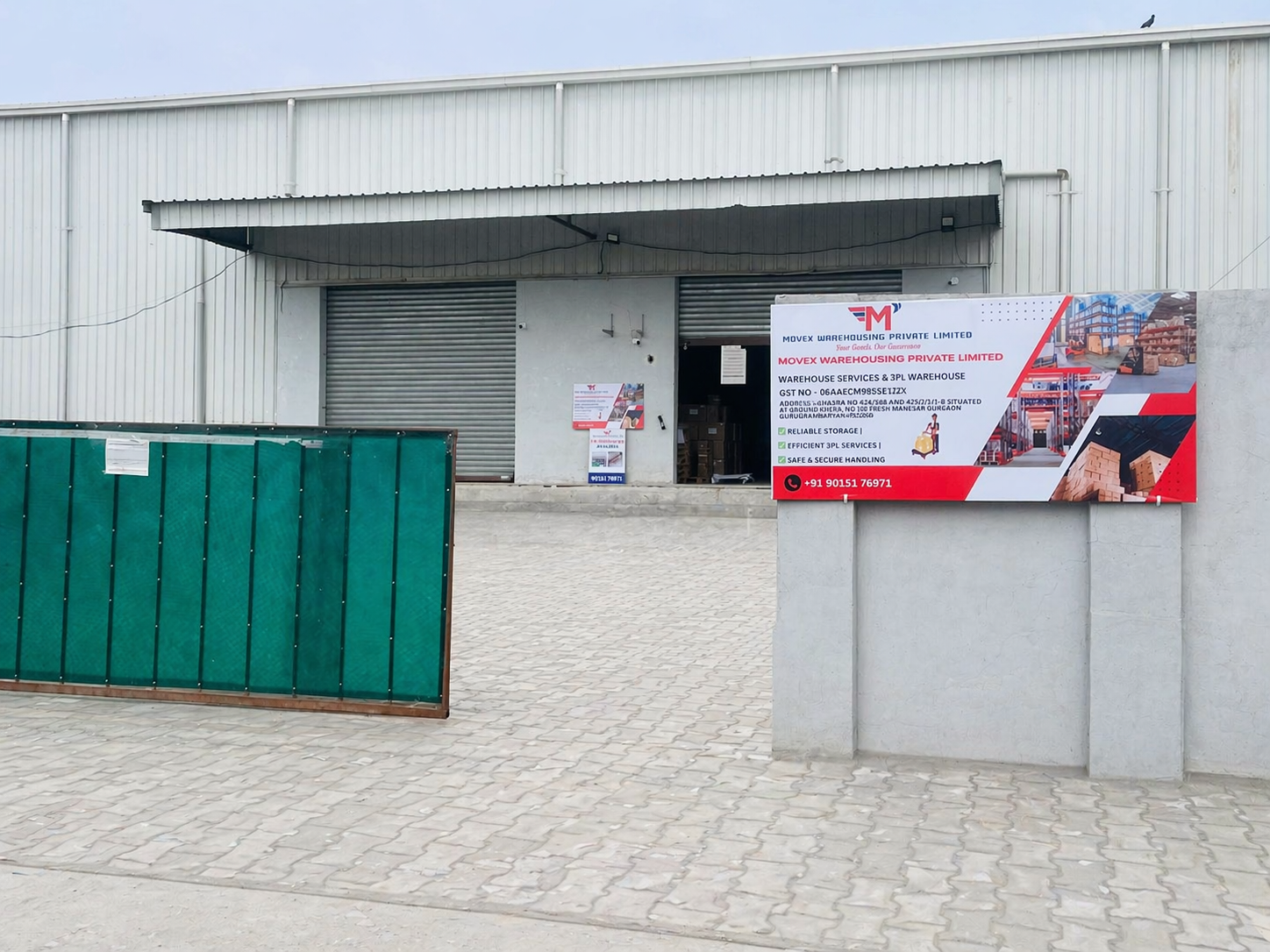
Movex Warehousing provides you with flexible warehousing solutions and meets your modern supply chain needs. We provide you with facilities for safe storage, Distribution Services, inventory management, and efficient logistics coordination for businesses across various industries.
Whether you need long-term inventory management, short-term storage, or integrated logistics services, we help you with customized warehousing solutions. It can streamline operations and boost business performance.
Conclusion
Warehousing is more than just a storage solution, but it is a key part of successful supply chain management. Effective warehousing boosts customer service, cut customer service, improves inventory control and supports business growth.
As the supply chains evolve, businesses require reliable warehousing solutions to meet customer demands, improve efficiency, and maintain a competitive edge in the market.
Frequently Asked Questions (FAQs)
1. How does warehousing help in reducing delivery time?
Warehousing can reduce the delivery time by keep inventory accessible to customers and lead faster order dispatch. When goods are stored at strategically located distribution centers, the last-mile distance shrinks, along with transit times.
2. How does warehousing improve supply chain efficiency?
It improves supply chain efficiency by centralizing inventory management, reducing fragmented stock locations, and facilitating better demand forecasting. A secure warehouse works as a buffer against supply disruptions and demand surges and ensures the order fulfillment goes smoothly during peak periods.
3. Why should a warehouse be a strategic location?
A warehouse must be strategic location to boost supply chain efficiency. It reduces transportation costs and ensures timely deliveries. It improves customer satisfaction and business competitiveness.
4. How does technology improve warehousing operations?
Technology like automation, Warehouse Management Systems (WMS), and data analytics can improve operational efficiency, inventory tracking, and order accuracy. These technologies enable real-time monitoring, streamline processes, and provide faster responses to market demands.
5. Can warehouse management reduce costs?
Yes, it can reduce costs by optimize workflows, reduce manual labor and cut storage inefficiencies. It improves accuracy and reduces costs.