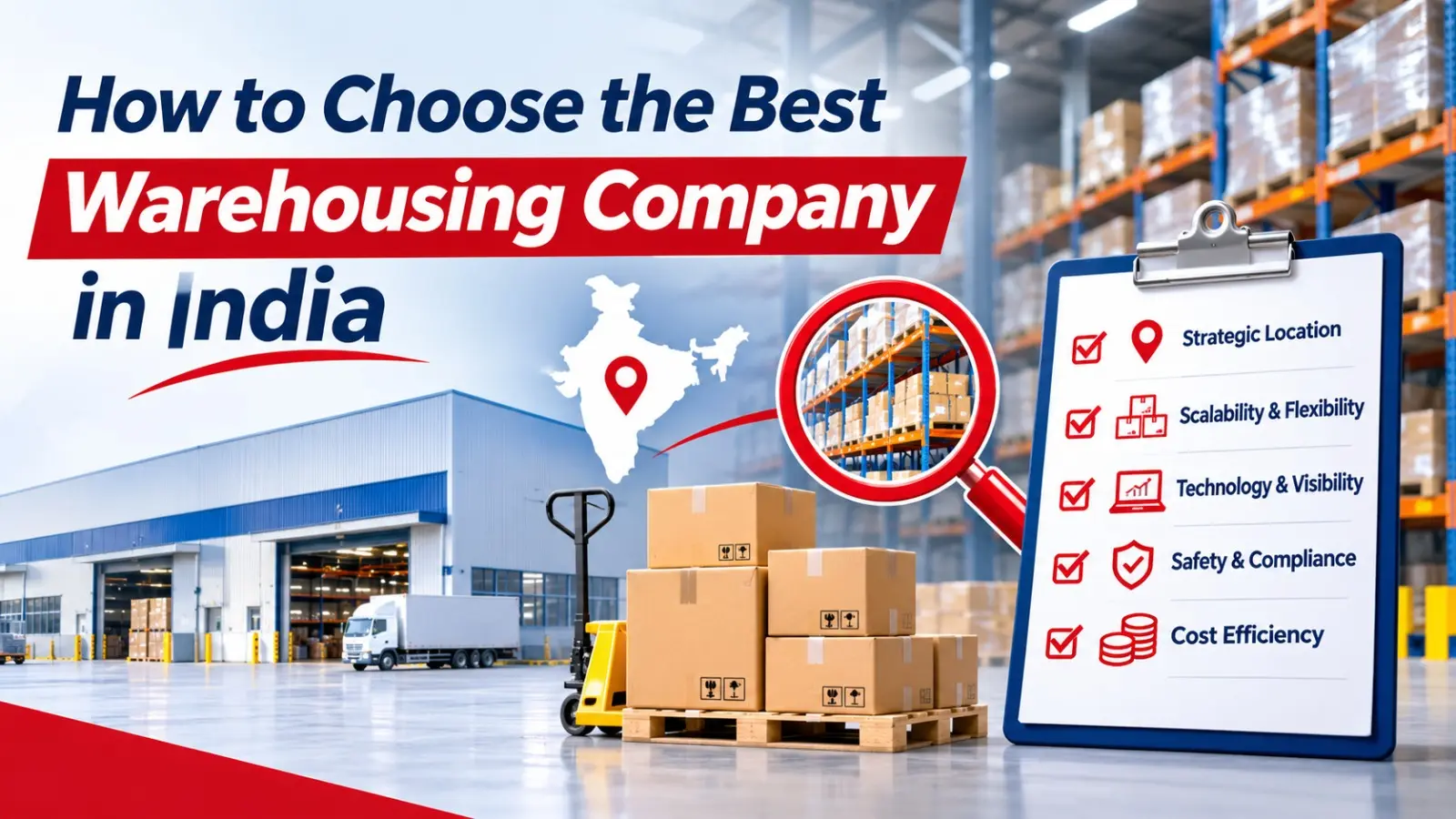
How to Choose the Best Warehousing Company in India
Secure warehousing is important if you want seamless supply chain operations for your business. No matter what type of industry you are in—manufacturing, retail, e-commerce, FMCG, pharmaceuticals, or distribution—you must find the right warehousing partner who ensures that products are stored safely, managed accurately, and delivered on time.
Even the many business focus on sales and getting customers, but they fail to choose the right warehousing company in India. It directly affects your order fulfillment, operational costs, inventory management, customer satisfaction, and overall business performance. You don't just need to focus on storage space while choosing the right warehouse company, but you also need to choose the strategic location, check their experience in supply chain and logistics, and other factors. Read below to understand the checklist to find the best warehouse company in India.
Key Steps to Choose a Warehousing Partner in India
To select the best warehousing partner in India, you should compare the storage rates, assess the provider's location, technology, infrastructure, flexibility, safety standards, and other services to ensure that they meet your business needs. Here are the factors to consider:
-
Assess Geographic Proximity
Assess how close the warehouse is to the main consumption hubs or target customers to cut down on transit times and the cost of last-mile deliveries. Warehouses in areas such as Delhi NCR, Mumbai and Bhiwandi, Bengaluru, and Hyderabad are suitable for distribution to key markets. If your business serves customers all over the country, then you should consider a warehouse company with a robust multi-city or PAN-India network. -
Evaluate the technology and automation Level
You should choose the warehousing company that uses a modern Warehouse Management System (WMS) and provides real-time inventory visibility and accurate stock records. Features such as barcode scanning, RFID tracking, and automated storage and retrieval systems (ASRS) can help improve inventory control, reduce manual errors, and enable faster order processing. -
Verify infrastructure and Storage
Choose the warehouse that meets the needs of your products and the way they are handled. Warehouses with ambient conditions are suitable for general products, whereas chilled or frozen storage is suitable for temperature-sensitive items such as dairy products and perishables. The storage of pharmaceuticals may require particular temperature controls and adherence to regulatory requirements. Bonded warehouses are used for eligible import-and-export operations, and e-commerce fulfilment centres provide services involving picking, packing, shipping, and reverse logistics. -
Check flexibility and scalability
Your storage needs may change during the festive seasons due to promotional campaigns or due to rapid business growth. You should select a provider who can adjust both their storage capacity and the amount of handling resources to respond to demand. Before finalising an agreement, you should check the minimum storage commitments, contract duration, additional fees during the peak season, and the exit terms. -
Review compliance and safety
You should verify that the warehouse company adheres to the relevant government regulations, fire safety requirements, pest control procedures, and the specific storage standards. Also check the CCTV surveillance system, the access controls, the emergency plans, and the measures taken to ensure employee safety. For your particular industry needs, you should also check the licences, permits, and certifications that are required for storing and handling your goods. -
Seek out Integrated Logistics Support
A warehouse company that provides extra logistics services can make it easier to coordinate the supply chain. According to your requirements, you should look into kitting, labelling, repacking, secondary transportation, order fulfilment, returns management, and in-plant logistics support. Having these related services by a single provider helps reduce the need for coordination and improve the goods flow from storage to delivery.
Questions to Ask Before Signing a Warehousing Contract
Before you choose a warehousing company in India, you should read the contract and understand the provider’s responsibilities, pricing structure, and service commitments. Here are the questions you should ask before sign contract with any warehouse company.
-
Who is responsible for any loss or damage to the inventory?
Know the responsibility of the warehouse operator for goods that are missing, damaged, or handled incorrectly before sign contract. Also check how discrepancies in stock are investigated and settled. -
What types of insurance coverage are available?
You should check the available types of insurance coverage, including warehouse liability insurance. Also understand whether your inventory needs its own coverage. Check the policy limits, the exclusions, and the claims procedure. -
How are warehousing services billed?
Find out if the charges are based on pallet space, the square footage, the duration the items are stored, the volume of orders, or the handling activities. Also ask for information regarding any extra fees, minimum billing obligations, and surcharges that apply during the peak season. -
What service levels does the contract cover?
Check the targets that have been agreed upon regarding inventory accuracy, order processing, dispatch times, and issue resolution. Check that criteria for measuring performance are met, and that arrangements are made if the agreed service levels are not met. -
Can the warehouse meet the demand during peak season?
You should check if the supplier is able to deal with higher volumes of inventory and the additional requirement for order fulfilment during sales events, festivals, and fluctuations in seasonal demand. -
How often will the performance reports be issued?
Before signing a contract with a warehouse company, you should also check how often they release the performance reports of your inventory. You should also check whether they provide you with the stock reconciliation records, the order status updates, and the discrepancy reports to manage your logistics operations easily.
Checklist Before Finalizing a Warehousing Company in India
Here is the checklist to follow to choose the best warehouse company in India:
- Proper understanding of your business model
- Strategic location with effective connectivity
- Sophisticated WMS and tech capabilities
- Transparent pricing
- Industrial experience
- Flexibility in storage capacity
- 3PL support
- Client reviews
- Safety and regulatory compliance
Conclusion
When you are selecting the best warehousing company in India, you should consider your storage requirements, location, infrastructure, technology, security, prices, and the quality of the service. The company you choose should support your present operations and give the flexibility to deal with future growth.
Rather than assessing companies on just one factor, you should evaluate their overall capabilities and make sure that the services they offer meet the requirements of your business. Read the contracts properly and ask for specific performance reports before making a long-term decision.
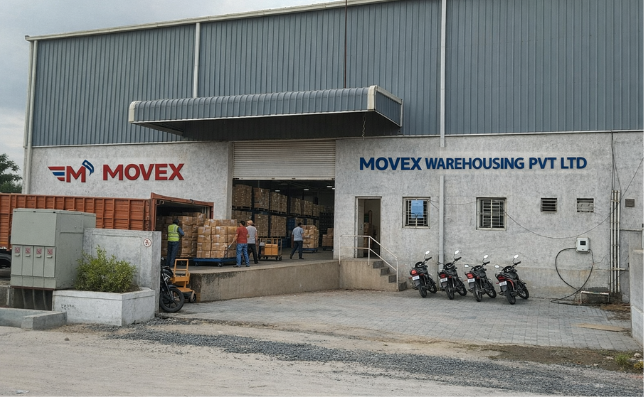
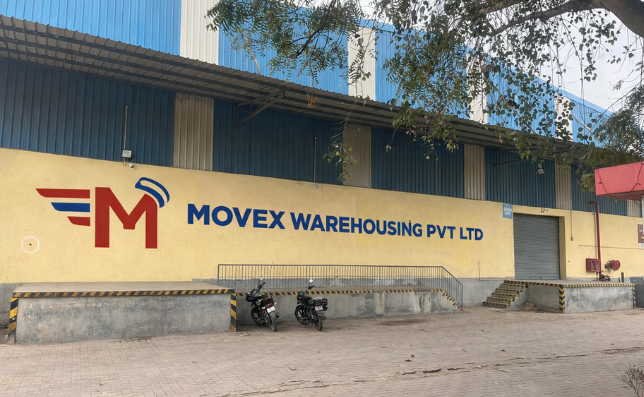
Choosing the right warehousing company like Movex Warehousing helps you improve inventory visibility and support timely order fulfillment. It can also control logistics costs and result in a more organised supply chain. Taking the time to assess your options will allow you to make informed decisions for business.
FAQs
How to choose the appropriate warehousing company in India?
Check the extensive warehouse experience and network, modern technology, flexible storage options, transparent pricing, strong security system to choose the right warehousing company in India.
What services does a 3PL warehousing company offer?
A typical 3PL warehousing company in India provides receiving, storage, inventory management, picking, packing, shipping, ecommerce fulfilment, returns management, and value-added services.
Why is multi-city warehousing important?
Multi-City Warehousing, or decentralised warehousing, keeps inventory nearer to customers to reduce delivery times, reduce transportation costs, and improve order fulfilment in various areas.
What technology should a modern warehouse adopt?
A modern warehouse must use the Distribution and Warehouse Management System, barcode scanning, RFID technology, real-time inventory tracking, and automated reporting to improve accuracy and efficiency.
Why should businesses outsource their warehousing services?
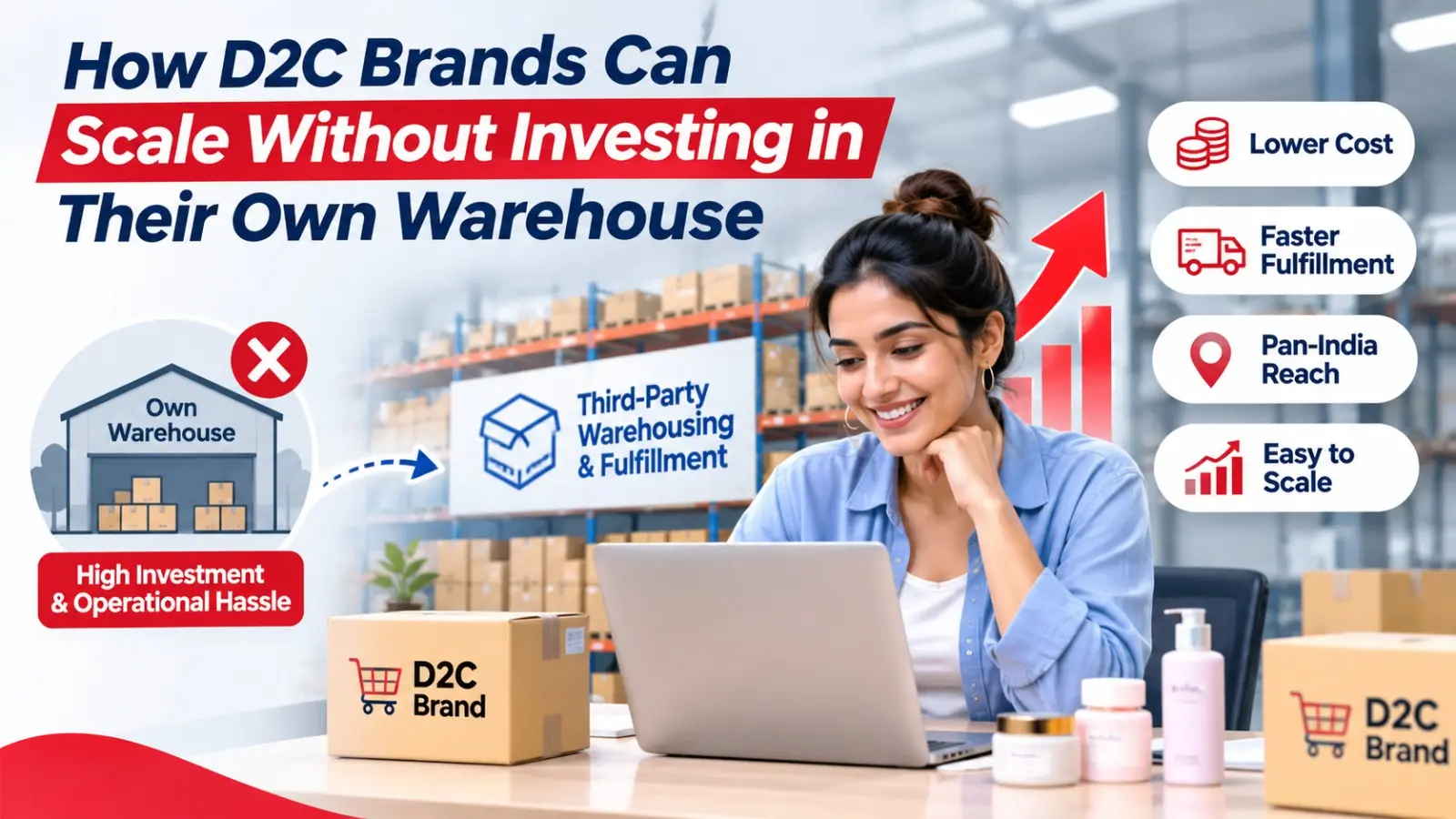
By outsourcing their warehousing services, businesses can reduce operating costs, improve supply chain efficiency, gain access to advanced technology, scale up more quickly, and focus on their main business while the logistics specialists look after storage and fulfillment.