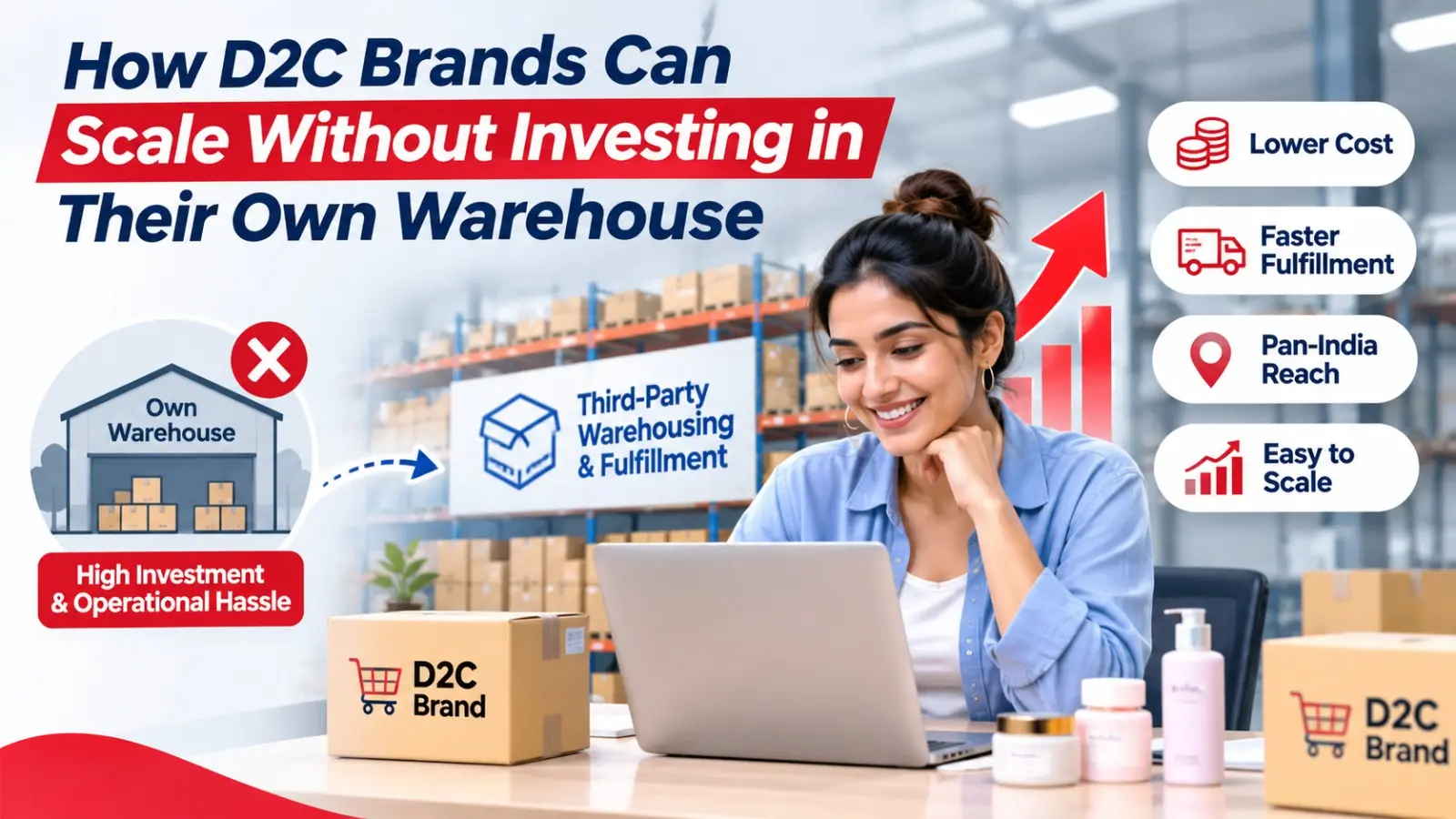
How D2C Brands Can Scale Without Investing in Their Own Warehouse
Direct-to-Consumer (D2C) companies can scale their business without investing in their own warehouse. Outsourcing fulfillment to third-party logistics (3PL) providers, using drop-shipping, or choosing the marketplace-fulfilled approach are the best approaches.
It costs more money to manage a physical warehouse, involves long-term lease agreements, and presents various operational distractions. If your goal is growth rather than physical office space, then you can completely focus on product development, marketing, and gaining customers. Below, we tell you the strategies that help your D2C business scale without investing in your own warehouse.
Core Strategies to Scale Without a Warehouse
By outsourcing storage, enabling inventory technology, simplifying product movement, and collaborating with reliable delivery partners, D2C brands can scale their operations easily. This approach allows you to handle increasing order volumes, maintain operational flexibility, and keep your fixed costs under control.
1. Partner with Third-Party Logistics (3PL) Providers
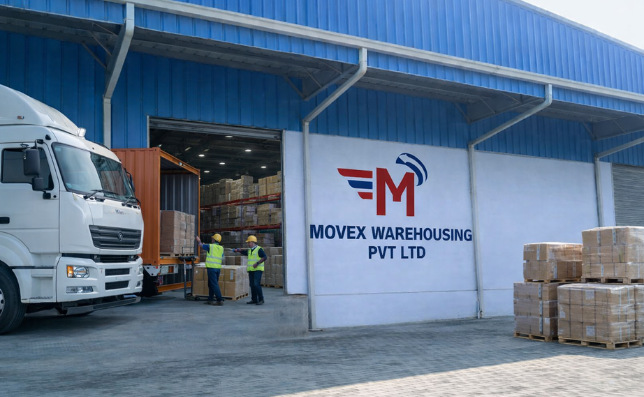
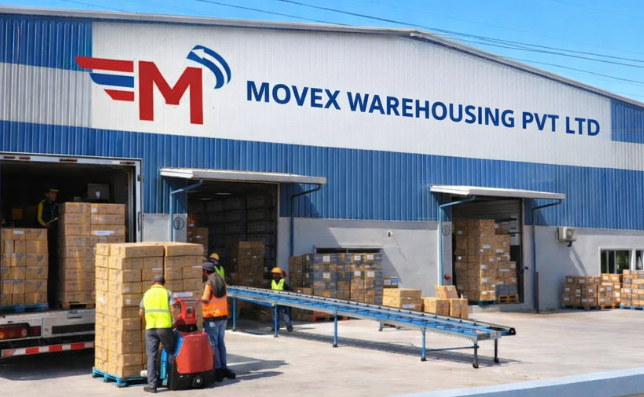
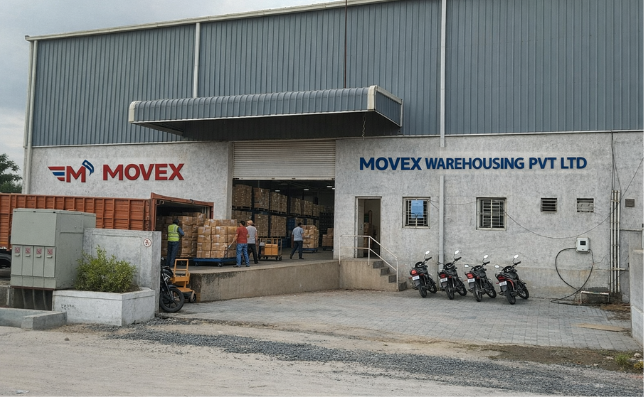
As a D2C brand, you can get warehousing and fulfilment services through 3PL providers rather than buying your own facilities. 3PL providers can provide storage, inventory management, picking, packing, dispatch, and returns processing.
-
On-demand storage
You can select the warehousing options that allow you to expand your storage capacity as per your inventory levels and seasonal demand. It can cut down the costs related to keeping unused space throughout the year. -
Distributed fulfilment network
It allows you to store your stock at regional fulfilment centres near your main customer areas. This reduces the distances over which items are delivered and allows for faster shipping. It also enables one- or two-day deliveries, provided that stock is available and carrier coverage allows. -
Expert handling
Hire experts that have received proper training for conducting order picking, packing, quality inspections, preparing dispatches, and managing reverse logistics. Well-established procedures can reduce mistakes and improve the customer experience.
2. Integrate Smart Warehouse Management Systems (WMS)
D2C brands can keep control of their inventory even by storing the products at an external facility because of the technology integration. By integrating your e-commerce platform with your logistics partner's warehouse management system, you can enhance stock visibility, order processing, and replenishment planning.
-
Real-time inventory visibility
By linking your online store with the WMS of your fulfilment provider, you can easily get inventory updates and reduce the problem of overselling due to out-of-date stock information. -
Automated order routing
Use order management tools to send orders to the right fulfilment centre as per the stock availability, delivery destination, shipping cost, and service commitments. It can reduce unnecessary transit distances and enhance dispatch efficiency. -
Proactive stock replenishment
You should set up reorder alerts by taking into account sales history, the current level of inventory, lead times, and demand forecasts. You can use automated notifications to ensure that popular products are restocked before they are exhausted. -
Centralised reporting
It allows you to monitor inventory movements, pending orders, fulfilment accuracy, and returns through consolidated reports. It helps you detect operational problems in the warehouse.
3. Use Contract Manufacturing and Direct-to-Customer Dispatch
By coordinating their production, packaging, and fulfilment, D2C brands can simplify their supply chains instead of storing products at a number of locations before they get to a warehouse.
-
Direct factory-to-3PL movement
Arrange for the finished products to be shipped directly from the contract manufacturers or co-packers to your fulfilment partner. It can reduce the need for unnecessary intermediate storage and extra handling. -
Improved production planning
Match the manufacturing schedule with sales forecasts and the capacity of the warehouse. This ensures product availability during increasing demand and reduces the risk of holding too much inventory. -
Controlled inventory commitments
For controlled inventory commitments, you can use demand forecasts together with supplier lead times to establish the amount of production. It enables a balance between having products available and the cost of holding slow-moving stock.
4. Optimise Carrier and Last-Mile Delivery Partnerships
Quick and reliable delivery is an important element of the D2C customer experience. Rather than setting up the delivery fleet, brands can enter into arrangements with courier companies and shipping aggregators and get delivery services in various regions.
-
Aggregated shipping rates
It allows you to compare the rates of various courier services to find appropriate rates and service options. Although shipment volumes and the terms agreed upon will determine the situation, this method provides access to competitive pricing without the need to make separate arrangements with each carrier. -
Flexible carrier selection
You can choose your carrier flexibly by assessing the delivery partners as per the extent of their destination coverage, delivery times, shipment dimensions, cash-on-delivery assistance, and record of handling returns. You can use more than one carrier to deal with service disruptions in certain areas. -
Branded tracking and communication
Select solutions that offer shipment notifications by SMS, WhatsApp, or email. Sending customers timely updates regarding the dispatch of their parcels, transit, delivery attempts, and successful delivery keeps them informed at every stage of the order process. -
For returns and failed deliveries
Set up clear procedures for reverse pickups, for shipments that are not delivered, and for reconciling cash-on-delivery transactions. Keep an eye on the return-to-origin rate to spot any ongoing problems associated with addresses, delivery attempts, or communication with customers.
Core Trade-Offs D2C Business Should Consider
Each fulfilment model provides specific advantages and limitations. You should compare these options against your product type, delivery commitments, sales channels, and expected order volumes before choosing an approach.
| Strategy | Main advantage | Key trade-off |
|---|---|---|
| 3PL partnerships | Flexible fulfilment capacity and access to logistics | Service fees and reduced direct control over warehouse operations |
| Marketplace fulfilment | Access to established fulfilment networks and marketplace delivery benefits | Storage charges, programme requirements and platform dependency |
| Dropshipping and POD | Reduced requirement for upfront inventory and storage | Reduced margins and less control over product quality and dispatch |
| JIT and cross-docking | Reduced storage time and inventory holding costs | Greater dependence on accurate forecasts and reliable suppliers |
Conclusion
D2C brands do not need to set up their own warehouses if they want to achieve sustainable growth. They can expand their operations by using third-party logistics providers, shared warehousing, integrated technology, and outsourced fulfilment services. This helps to avoid the full cost and responsibility of managing warehouse infrastructure.
The method you choose varies on the basis of your order volume, the category of product you are selling, where your customers are located, and your growth goals. You should carefully assess the providers, get a full understanding of their pricing structure, and look at their fulfilment performance as your business grows.
FAQs
How do D2C brands grow without having their own warehouse?
D2C brands can outsource their storage and fulfilment to 3PL providers, use the marketplace's fulfilment programmes, choose dropshipping, or introduce on-demand production to handle their growth without setting up their own warehouse infrastructure.
What are the advantages of using a 3PL provider?
A third-party logistics provider provides services relating to storage, inventory management, order fulfilment, and shipping. It allows you to reduce infrastructure investments, handle fluctuating demand, and efficiently enter new markets.
Will dropshipping work for every D2C business?
Dropshipping is suitable for brands that want to make fewer inventory commitments, but before using this fulfilment method for long-term growth, the supplier's reliability, the product quality, the delivery times, and the profit margins must all be assessed.
How does technology assist D2C brands in managing outsourced warehousing?
Integrated WMS offers inventory visibility, coordinates orders, automates the updating of stock levels, and aids in demand forecasting. It helps you keep accurate records over your various fulfilment centres and sales channels.
What measures can D2C brands take to reduce their fulfilment costs as they scale?
By comparing the pricing offered by 3PLs, optimising inventory placement, negotiating shipping rates, forecasting demand accurately, and keeping an eye on fulfilment performance, you can easily manage your logistics costs while ensuring customer satisfaction.