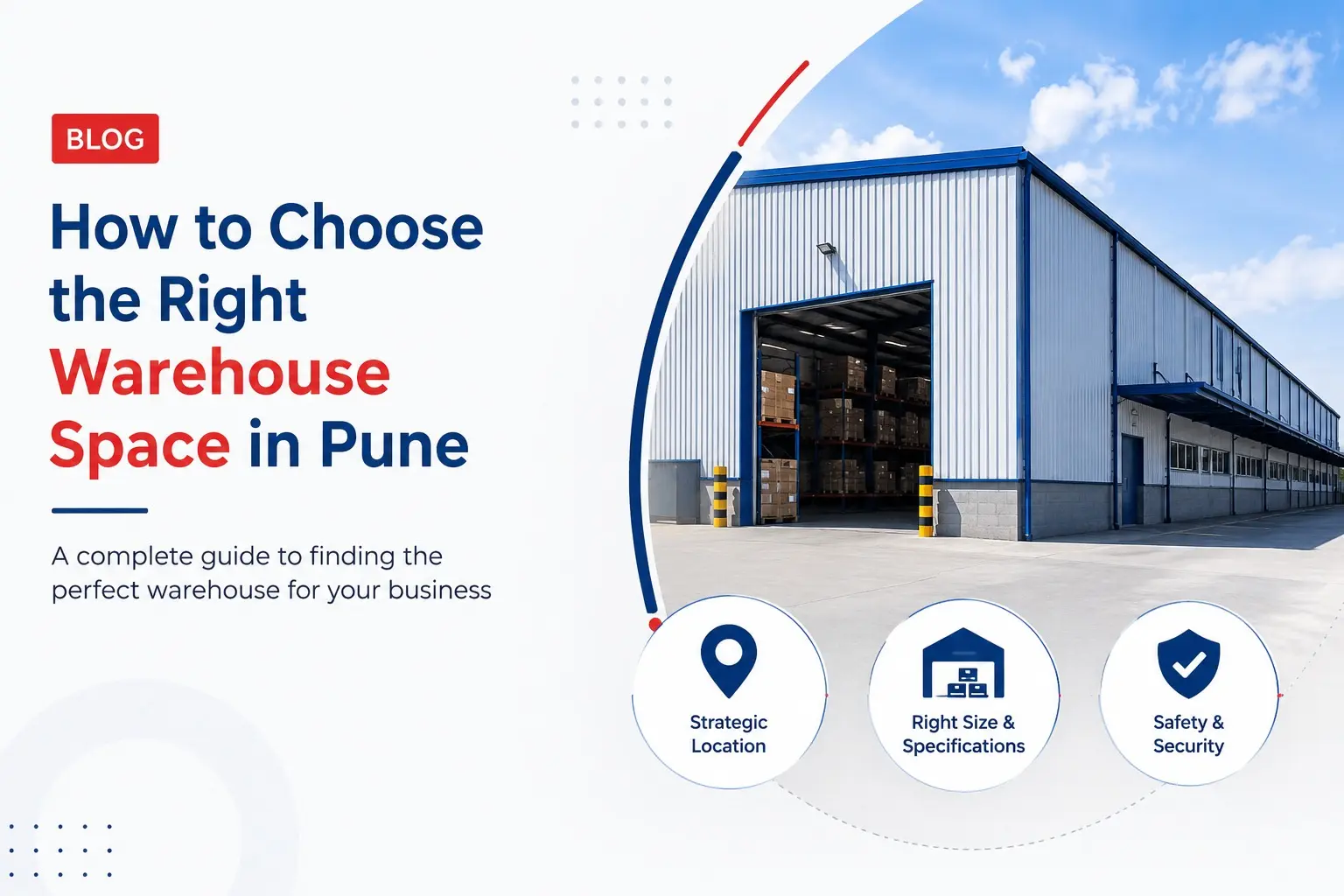
How to Choose the Right Warehouse Space in Pune
Pune has evolved from the cultural capital of Maharashtra to an IT, industrial, and logistics powerhouse. With its close proximity to Mumbai, thriving manufacturing and automobile sectors, and excellent highway connectivity, it attracts businesses that want to expand their presence across southern and western India. Capitalizing on Pune's economic growth requires strong supply chain and warehouse facilities.
Choosing the right warehouse in Pune is not only about booking a storage facility, but a strategic move that improves operational efficiency, delivery speed, and business profitability. Whether you are an ecommerce business, a heavy manufacturing unit, or an FMCG brand that requires cold storage, you must choose the right facility to strengthen your logistics network.
What to Look for in a Warehouse in Pune
You should assess your business requirements, future growth plans, and logistics priorities to choose the right warehouse in Pune. Here are the factors you should consider:
Warehouse Location
To choose the right warehouse, you should ensure that the warehouse location matches your supply routes. The location of the storage unit may decide the amount of trucks spent in transit and how quickly it fulfills your orders.
If your suppliers are based in Mumbai, then you should get the warehouse in the Pimpri Chinchwad area or along the expressway to reduce delivery time. If your orders are shipped in Pune, then you should get a warehouse in the Nigdi area, Pimpri, or Hinjewadi. Here are the location recommendations to get warehouse facilities in Pune for your business:
ChakanAuto parts, regional distribution and bulk manufacturing
Talegaon3PL service models with automotive and industrial
RanjangaonFMCG, cold storage, pharmaceuticals, and retail warehousing
Pimpri ChinchwadQuick access to the city plus connection to the Mumbai highway
Khed ShivapurGrade A warehousing with smooth access to expressway
Inventory Type
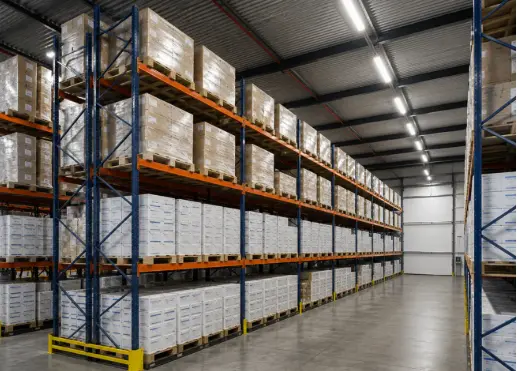
It is suggested to consider your inventory type to choose the right warehouse in Pune. A warehouse of large size is not useful unless it accommodates your volume of goods and methods of handling and stacking. So choose the warehouse space that has a clear height range from 25 to 45 feet and helps your team with easier racking and block stacking systems. Before getting a warehouse, ask about the type of racking available, support for pallet jacks and forklifts, internal roads and turning radius, and strength of flooring and dock levels.
If the stock requires special handling or temperature control, you should check how the warehouse looks after airflow as well as its insulation and backup power.
Determine the Right Warehouse Size
You should also consider the right size while choosing a warehouse. Make sure to choose a warehouse that has enough space for inventory storage and provides additional space for receiving goods, picking and packing, sorting, dispatching, inspection, returns processing, staff operations, and vehicle loading and unloading.
Don't choose a space that keep unused and leads to higher rental and operating costs. Also, don't choose the too small space that may cause congestion and force you to move goods to another space. An ideal warehouse should have enough capacity to meet the needs of present operations and at the same time leave room for future growth.
Evaluate Warehouse Layout and Storage Design
Warehouse layout and storage design impact your business productivity. So you should total square feet and how space is arranged to choose the right warehouse. Choosing a suitable warehouse with the right layout and design helps you move goods efficiently. It can also streamline the goods movement from the time they are received through to storage, picking, packing, and dispatch.
Before getting a warehouse, check the Ceiling height, Column spacing, Floor loading capacity, Storage configuration, Aisle width, Docking arrangements, loading bays, Mezzanine availability, Fire exits, and Movement of material-handling equipment.
Because of the high ceilings, businesses are able to install vertical storage systems and thus increase their storage capacity without needing extra floor space. The layout should also correspond with your inventory profile; for instance, fast-moving products should be placed in positions where they can be accessed quickly.
Consider Technology and Warehouse Management
A warehouse that keeps everything recorded by hand will not function if your team deals with multiple SKUs or if there are frequent returns or reorders. So ask whether the facility has WMS or find out if it supports the live inventory view, barcode scanning, and return tagging.
Before getting a warehouse in Pune, you should ask for a demo that shows pick and pack tracking, Stock entry and exit scanning, Handling of returns and damaged items, and the type of daily reports or live dashboards. It helps your teams avoid lengthy calls to access reports, reduce waiting time, and keep your goods updated as per the current quantity in the warehouse.
Check Safety and Security Measures
Warehouse safety is another important factor you should consider. Check that the warehouse ensures the safety of its employees, inventory, equipment, and visitors. To ensure safety, you should check the CCTV surveillance, controlled access, security personnel, Fire alarms, Fire extinguishers, Sprinkler systems where appropriate, clearly marked emergency exits, Emergency lighting, safe loading and unloading areas, and appropriate storage practices.
The kind of requirements will depend on the type of products that are being stored; companies that are dealing with hazardous, flammable, temperature-sensitive, or regulated goods will need to have extra safety and compliance measures.
Calculate the Total Cost of Warehousing
Warehouse selection must not be based just on the monthly rent. The true cost of running a facility can involve a number of extra expenses. These may include the rent or storage costs, maintenance fees, electricity, security, Insurance, Property-related charges, material-handling equipment, labour, transportation, technology charges, loading and unloading costs, and repairs and operational expenses.
It is better to compare the total cost of ownership rather than just the rental rates of the properties. A warehouse that has a slightly higher rent might turn out to be more economical since it provides better connectivity, more efficient operations, lower handling costs, and better delivery performance.
Check the Transport Access
A warehouse that is well managed will make no difference if vehicles do not move on time or if your team has to arrange separate trucks every time. So, before renting a warehouse, find out whether it deals with external fleet providers or operates its own line-haul fleet together with its local delivery fleet.
It helps you with urgent deliveries to multiple cities, run a fixed daily dispatch window, and handle the bulk shipping and last-mile deliveries at the same time. By operating their own trucks, warehouses are able to cut down on the back-and-forth travel and at the same time have better control over each delivery without having to take on additional planning stress.
Inspect the Warehouse Before Making a Decision
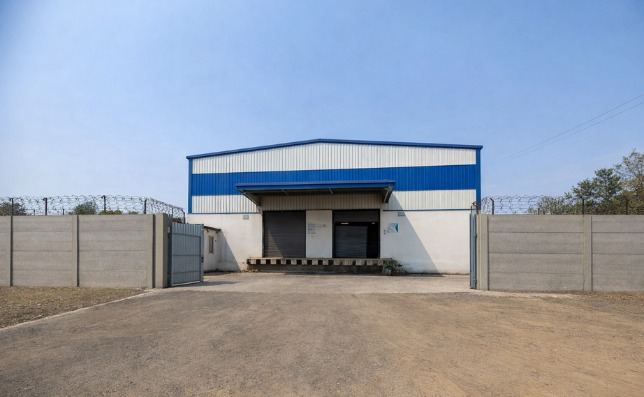
Photographs or online listings do not give you a complete idea of warehouse facilities and infrastructure. So you should schedule the physical inspection before signing the agreement.
While on the visit, look at the way vehicles enter and exit the premises, examine the loading areas, check the condition of the flooring and the roof, evaluate the amount of available storage space, and look at the safety and security systems. You can also arrange a warehouse site visit multiple times to get a better understanding of traffic conditions and accessibility.
If you can, talk to the warehouse operator or the property manager about the operational requirements and make sure that any limitations are clear before you make a commitment.
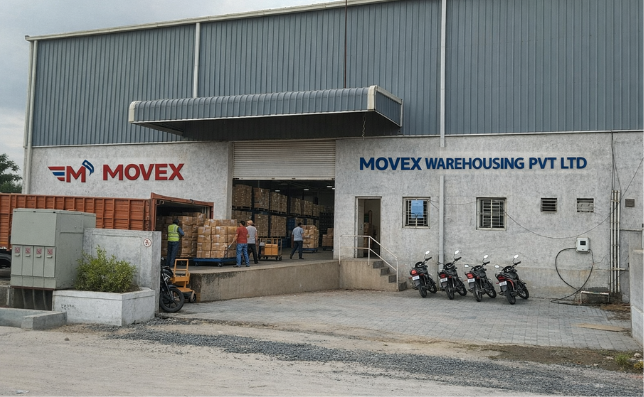
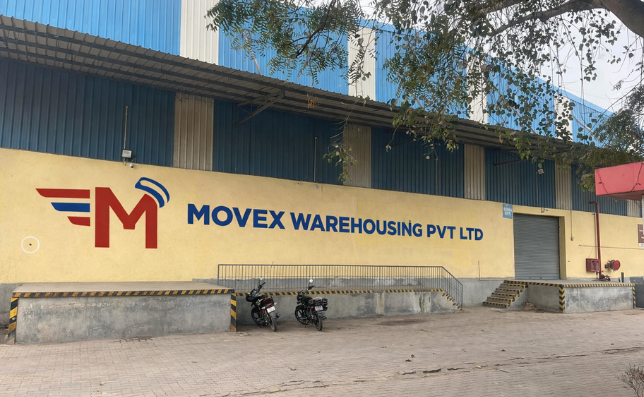
Movex Warehousing: A Trusted Warehouse Partner in Pune
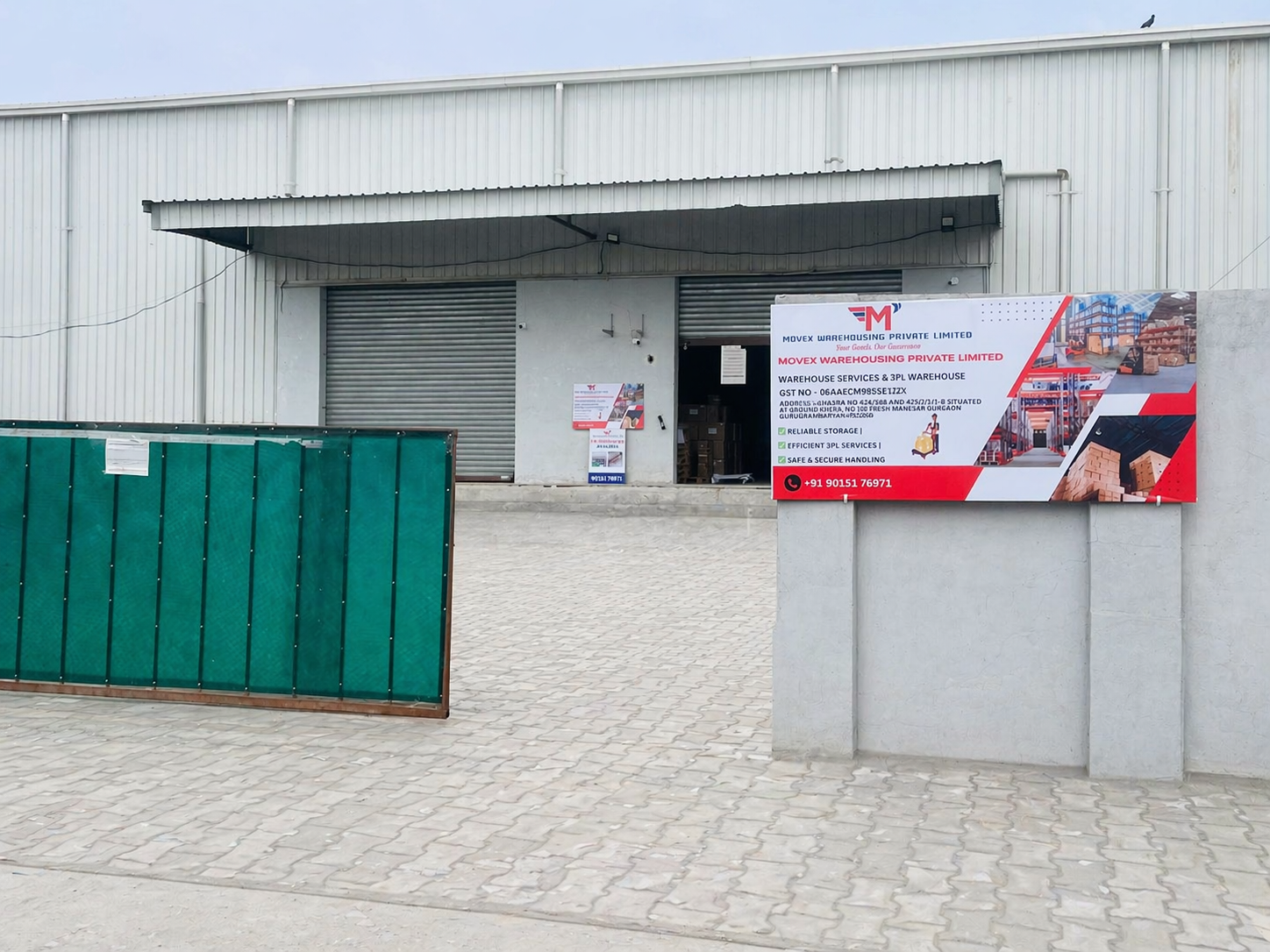
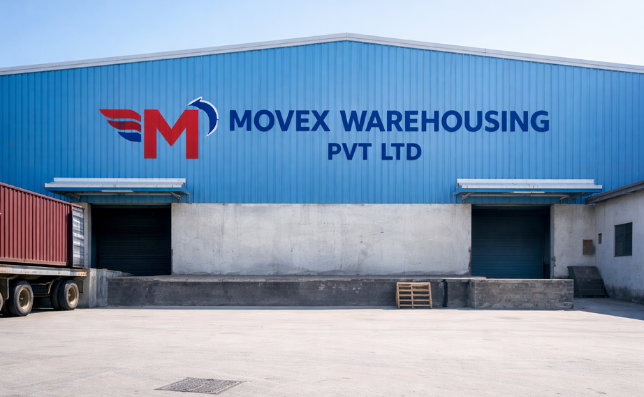
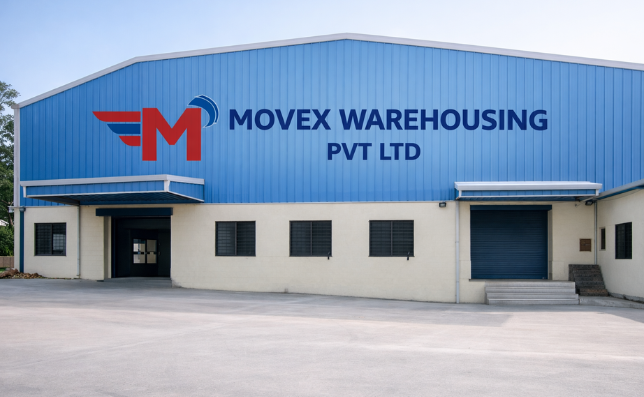
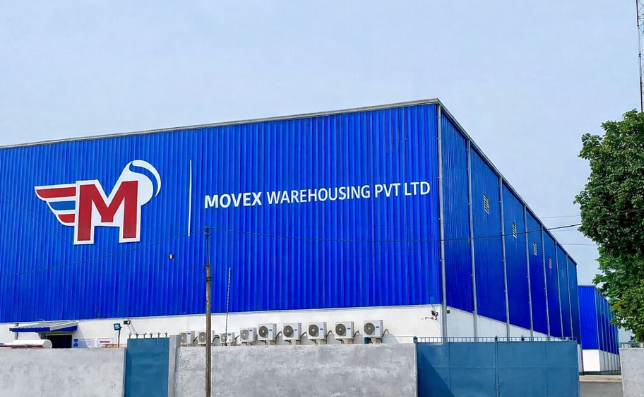
When businesses are looking for a warehouse in Pune, Movex Warehousing is recognized for the comprehensive solutions it offers to a range of industries. The key features of Movex Warehousing are:
- Spacious, secure, and climate-controlled units
- Round-the-clock surveillance and real-time inventory tracking
- Flexible rental durations with no hidden charges
- Skilled manpower and value-added logistics services
- Centralized booking and support
Conclusion
When selecting the appropriate warehouse space in Pune, it is necessary to ensure a balance between location, capacity, infrastructure, accessibility, technology, safety, cost, and future business needs. A warehouse that is the cheapest does not have to be the most cost-effective one because poor connectivity, an inefficient layout, or inadequate infrastructure may increase your operating costs.
So it is suggested to business to evaluate their supply chain requirements, check the different warehouse options, meet their needs, and align with future growth. Choosing the right warehouse can result in a inventory management, enable faster distribution, help to control logistics costs, and establish a more solid base for long-term business growth.
Frequently Asked Questions (FAQs)
1. What is the best warehouse location in Pune?
The best warehouse location in Pune depends on where you get your supplies and how you deliver them. If your goods come from Mumbai, then get a warehouse along the Pune-Mumbai highway. If your orders need to reach rural areas or factories, then you should get a warehouse near Ranjangaon or Chakan.
2. How much does it cost to rent warehouse space in Pune?
The warehouse cost depends on location, size, and the level of service required. You can contact Movex Warehousing to discuss your needs and get a clear pricing structure.
3. Should a business choose shared warehouse or dedicated warehouse space?
It varies on the basis of the amount of inventory and your operational needs. If you want to control your goods, then you can get a dedicated warehouse. If you are seeking flexibility and to save costs, then shared warehouses are ideal for you.
4. What amount of warehouse space does a business require in Pune?
The amount of warehouse space required by a business varies on the basis of the volume of inventory, the dimensions of the products, the methods of storage, how often orders are placed, and the expected growth of the business. Moreover, businesses must also provide for areas used in receiving, picking, packing, dispatching, and moving items.
5. How can businesses reduce their warehouse costs in Pune?
Businesses can reduce warehouse costs by picking a prime location, using space efficiently, adopting inventory management technology, comparing total operating costs, and selecting flexible warehouse options.