
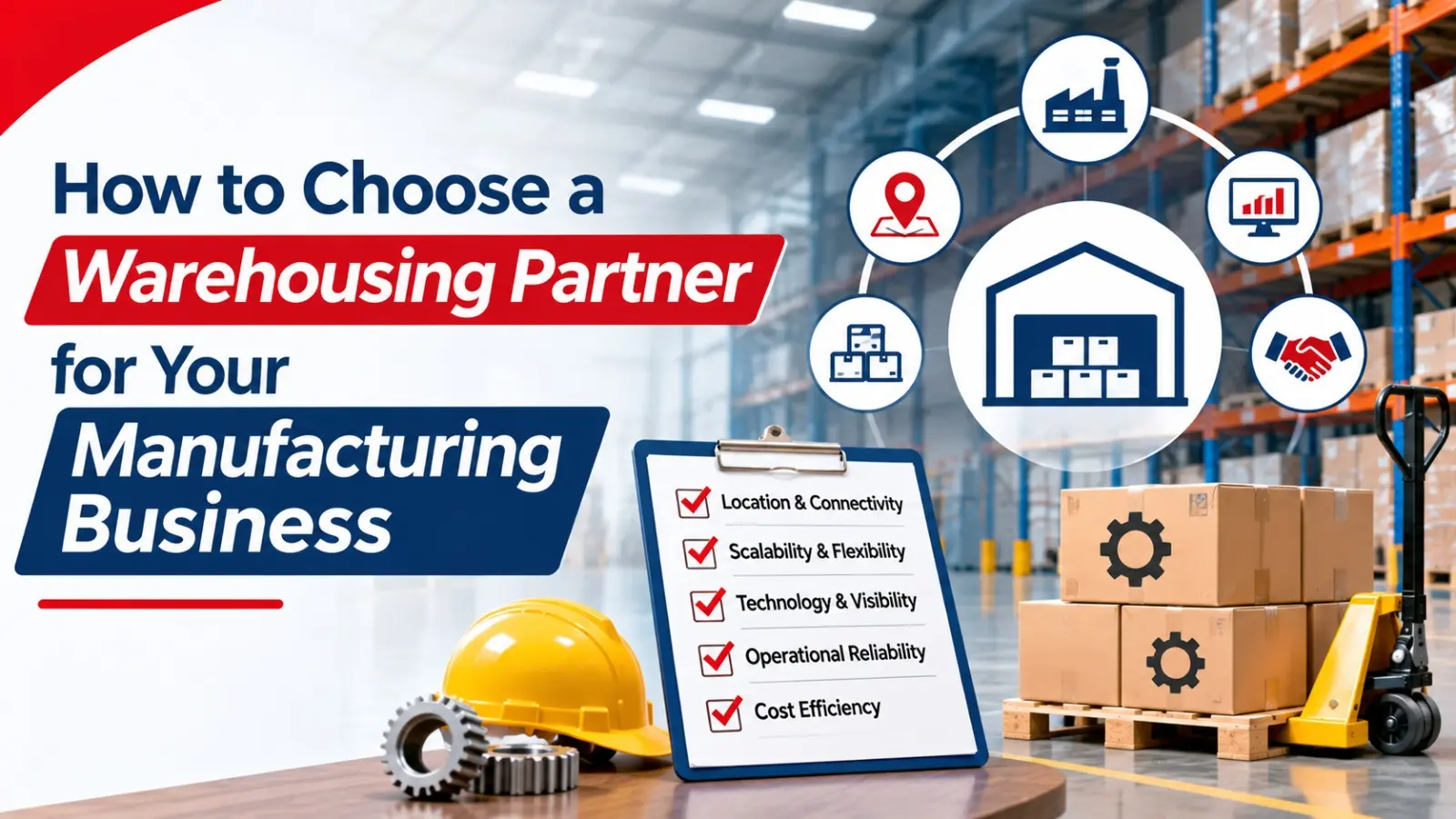
How to Choose a Warehousing Partner for Your Manufacturing Business
Manufacturing companies must choose the right warehousing partner to store their company's goods. They should ensure that their finished products are stored safely and are accessible whenever production or customer orders require them. If warehouse management is inadequate, it can result in stock discrepancies, production delays, damaged goods, and more operating costs.
A right warehousing partner for manufacturing companies can assist you with inventory management, the storage organisation and the coordination of goods movement. All the warehouse providers are not aware of the needs of manufacturing operations, so you should choose one that has the right infrastructure, suitable inventory management systems, trained staff, and dependable logistics support. Read below to understand the factors to consider when choosing a warehousing partner for your manufacturing business.
Key Factors to Consider When Choosing a Warehousing Partner
When choosing a warehousing partner, it is necessary to consider more than just manufacturing inventory storage and pricing. You should look at location, infrastructure, technology, and logistics capabilities to achieve efficient inventory management and ensure that production operations continue without interruption.
-
Evaluate Strategic Location
Select a B2B warehouse solution that is near your manufacturing plants, the main highways, the ports, or your customer markets. Having a facility in a strategic location will reduce transportation costs and delivery times, and ensure a continuous supply of raw materials for production. If your business operates in several areas, choose a provider who has warehouses situated in various industrial locations. Having a connected multi-city network will support the distribution of inventory and enhance access in each region. -
Match the Infrastructure to the Project Requirements
Make sure that the industrial warehousing services provide conditions that are suitable for your products. Depending on your manufacturing inventory and handling requirements, you may need temperature-controlled storage, cold-chain facilities, bonded warehouses and specific areas for hazardous materials. Consider the loading bays, the strength of the flooring, the storage racks, the ventilation, the security measures, and the fire protection systems. The facilities should be able to support the weight, size, and handling needs of your materials and ensure safe and organised warehouse operations. -
Check the Integration of Technology and WMS
When selecting a provider for B2B warehouse solutions, you should use one that enables you to monitor inventory receipts, storage locations, and dispatches. Using barcode or RFID tracking helps to improve the accuracy of stock records, reduces manual errors, and gives better visibility regarding the movement of inventory. Ensure that the warehouse management system is able to connect with your current enterprise resource planning (ERP) or order management software. This integration supports synchronising stock records, improves co-ordination between departments, and reduces instances of inventory mismatches or unexpected material shortages. -
Assess Value-Added Services
Make sure to verify that the provider adheres to organised receiving procedures, stock rotation methods, and quality inspections. You should consider whether you need things like product labelling, custom packaging, kitting, sorting, or reverse logistics. These additional capabilities are able to reduce the need for internal handling and make the movement of materials between the manufacturing and distribution stages simpler. -
Examine Scalability and Flexibility
Manufacturing needs can change as a result of seasonal demand, production schedules, or large orders. It is important to select an industrial logistics service in India that is able to adjust the amount of storage space, labour, and handling capacity without incurring unnecessary operational costs when inventory volumes are changing. Assess if the provider is able to handle increased inventory volumes and additional product categories as your business expands. Having access to bigger facilities and several warehouse locations will allow your business to expand without needing to make frequent changes to your logistics arrangements. -
Review Material Handling and Equipment
Manufacturing inventory consists of heavy machinery parts, bulk raw materials, and delicate components. The warehouse must have appropriate equipment and skilled operators to handle these items safely during receiving, manufacturing inventory storage, and dispatch. You should check whether forklifts, pallet trucks, cranes and conveyors are available in accordance with your material needs, since appropriate equipment will reduce the amount of manual handling and aid in the movement of heavy or unusually large industrial goods. Check if the warehouse staff have experience in handling industrial materials. Trained operators are able to perform the correct lifting, stacking, and storage procedures and reduce the risk of product damage and workplace accidents.
Questions to Ask Before Signing a Warehousing Agreement
Before you choose a warehousing partner for manufacturing companies, you should ask specific questions concerning inventory management, operational capacity, and service commitments. Asking these questions allows you to understand the provider's capabilities and prevent any misunderstandings after the agreement has been signed.
-
What is your present inventory accuracy rate?
How often do you perform the physical stock audits? After knowing this, you can evaluate the reliability with which the provider is able to track and manage your manufacturing inventory. -
Can you handle peak season capacity?
When faced with a sudden rise in storage needs during peak production periods, you should check if extra warehouse space, labour, and material handling equipment are available to handle the varying volumes of inventory. -
Which ERP and WMS systems do you support?
Please verify that the provider's systems can be integrated with your current software to keep your inventory records consistent. -
What are your receiving and dispatch timelines?
What are your standard turnaround times when receiving the materials sent to you and when dispatching the finished products? Having clear timeframes helps your production and distribution teams to plan the movement of inventory and prevents unnecessary delays. -
How do you handle SLA performance and accountability?
If the agreed Service-Level Agreements (SLAs) are not met, then what occurs? You should look at the issue of service credits, compensation, the corrective actions taken, and the reporting procedures to gain an understanding of how operational failures will be handled.
Checklist Before Finalizing a Warehousing Partner
Here is the checklist to follow to choose the best warehousing partner for your manufacturing business:
- Strategic location near plants, highways or ports
- Infrastructure matched to product and handling needs
- WMS with barcode/RFID tracking
- ERP and order management integration
- Value-added services (labelling, kitting, sorting)
- Scalability for seasonal and growth demand
- Material handling equipment and trained staff
- Safety and regulatory compliance
- Clear SLAs and accountability
Conclusion
When choosing the right warehousing partner for manufacturing companies, you should go beyond simply comparing storage space and rental charges. You must look at the infrastructure, inventory management, material handling, transportation capabilities, and service commitments.
The right partner can arrange the storage of manufacturing inventory, improve stock visibility, and assist with the movement of materials throughout the supply chain. If you evaluate these factors, you can easily select a warehousing provider that meets your current and future needs.
Choosing the right warehousing partner like Movex Warehousing helps you improve inventory visibility and support uninterrupted production. It can also control logistics costs and result in a more organised supply chain. Taking the time to assess your options will allow you to make informed decisions for business.
FAQs
What should manufacturing companies look for in a warehousing partner?
Manufacturers should consider storage capacity, the warehouse position, inventory management technology, the equipment used for handling materials, safety measures, transportation capabilities, prices and industry experience, and service-level agreements.
What do industrial warehousing services consist of?
Industrial warehousing services involve the reception, storage, management and dispatch of industrial materials and products. They also consist of the storage of raw materials, the management of work-in-progress inventory, the management of finished goods, order fulfilment, and the coordination of transportation.
What benefit does a Warehouse Management System offer manufacturers?
A Warehouse Management System keeps records of inventory receipts, storage place, changes in stock, and the dispatching of goods. It improves inventory visibility, supports stock reconciliation, and allows the manufacturing teams to plan their material requirements.
What is the difference between a general warehouse and an industrial warehouse?
A general warehouse deals with various consumer and commercial goods, and an industrial warehouse is one that is set up to handle manufacturing materials, bulk inventory, heavy products, and other special storage or handling needs.
Why should manufacturers consider third-party warehousing?
By choosing 3PL warehousing, manufacturers can use other people's storage and inventory management facilities instead of running their own warehouses. This approach allows them to handle their storage needs, gives access to specialised infrastructure, and co-ordinate their logistics operations.
Reach out anytime for help!

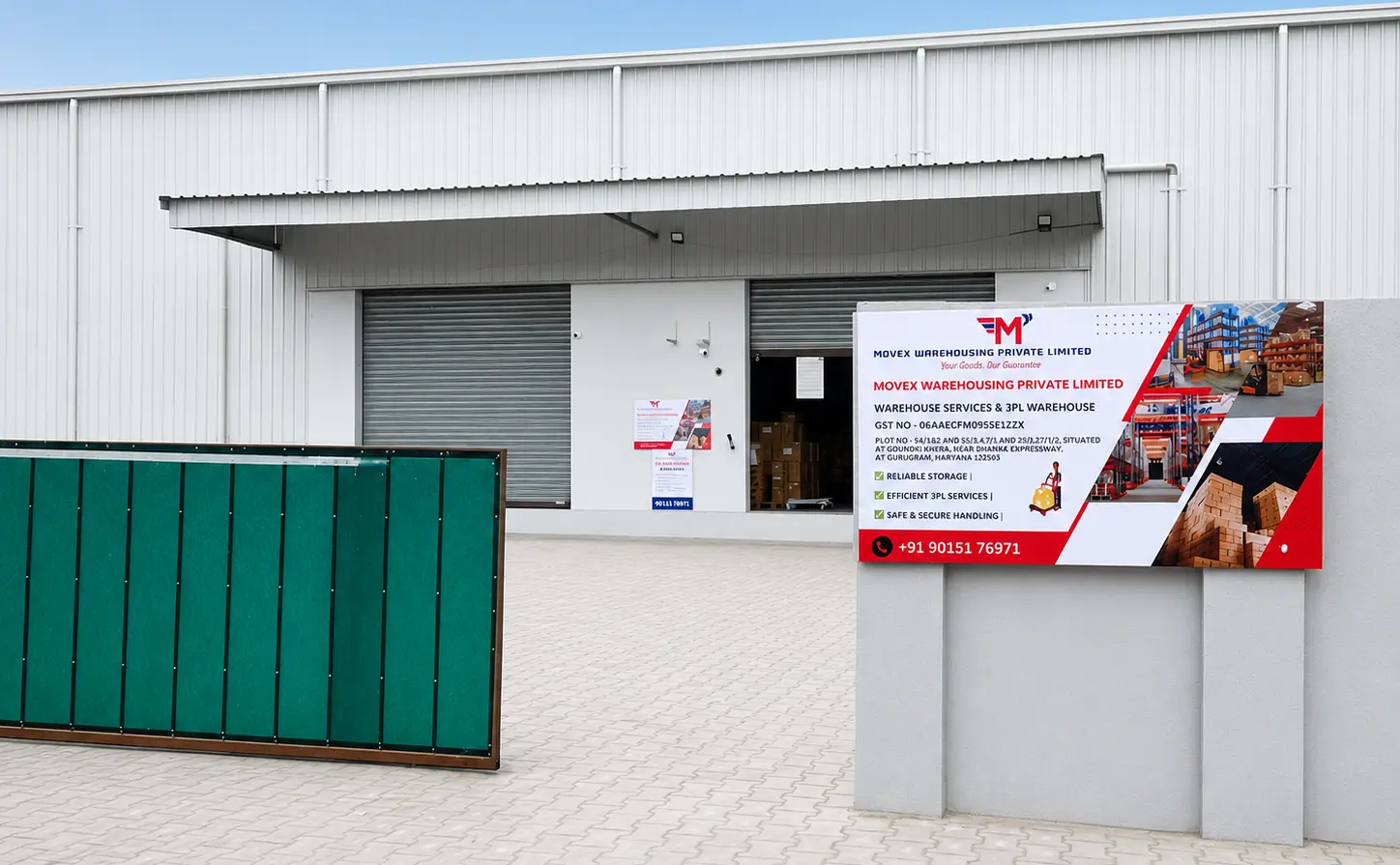
Warehouse Facility in Gurgaon
Total Warehouse Area - 73,000 Sq.Ft.
Operational Space - 50,000 Sq.Ft.
Ready for Immediate Use 15,000 Sq.Ft.
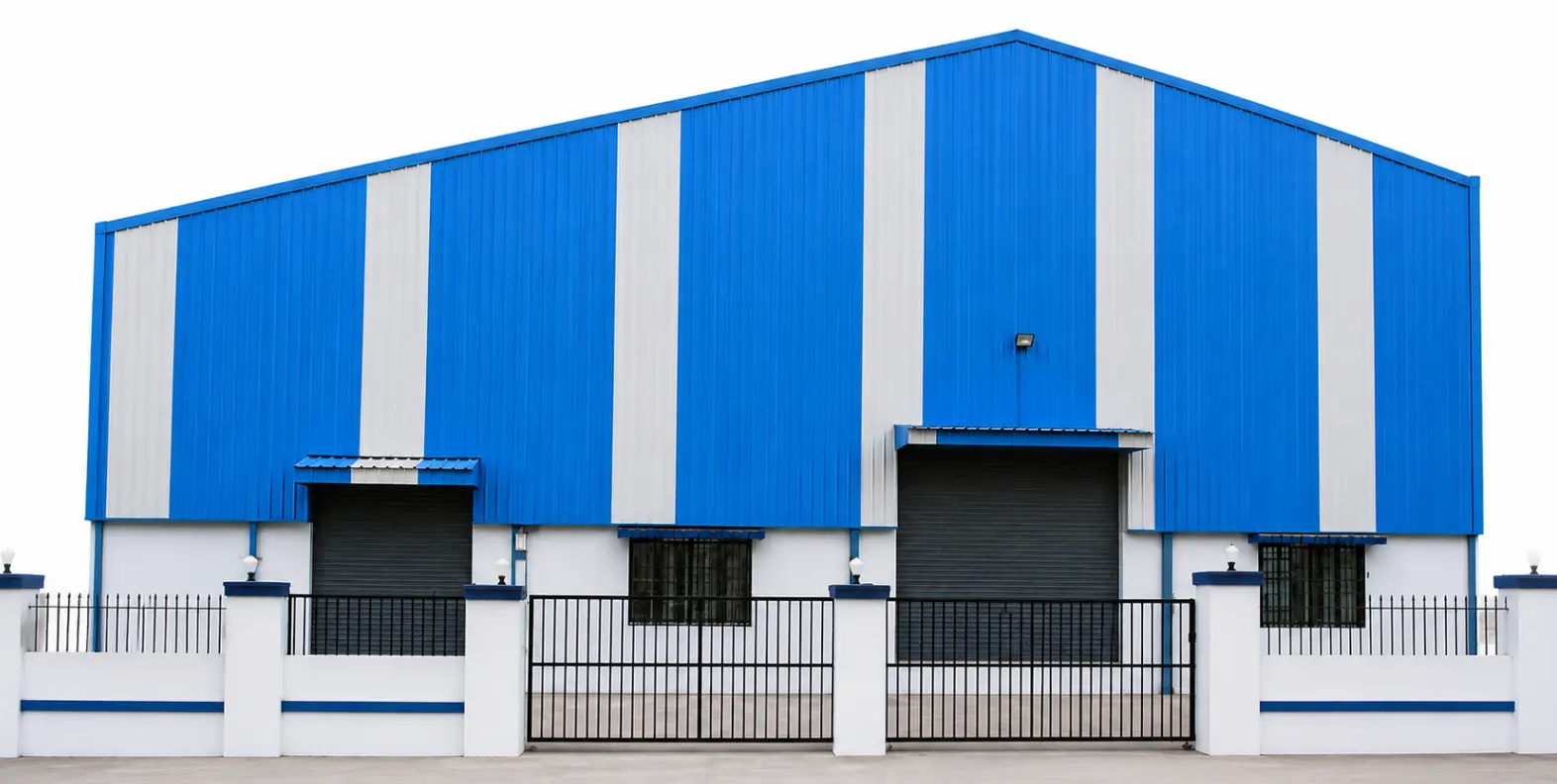
Warehouse Facility in Delhi
Total Warehouse Area - 43,000 Sq.Ft.
Operational Space - 30,000 Sq.Ft.
Ready for Immediate Use 13,000 Sq.Ft.
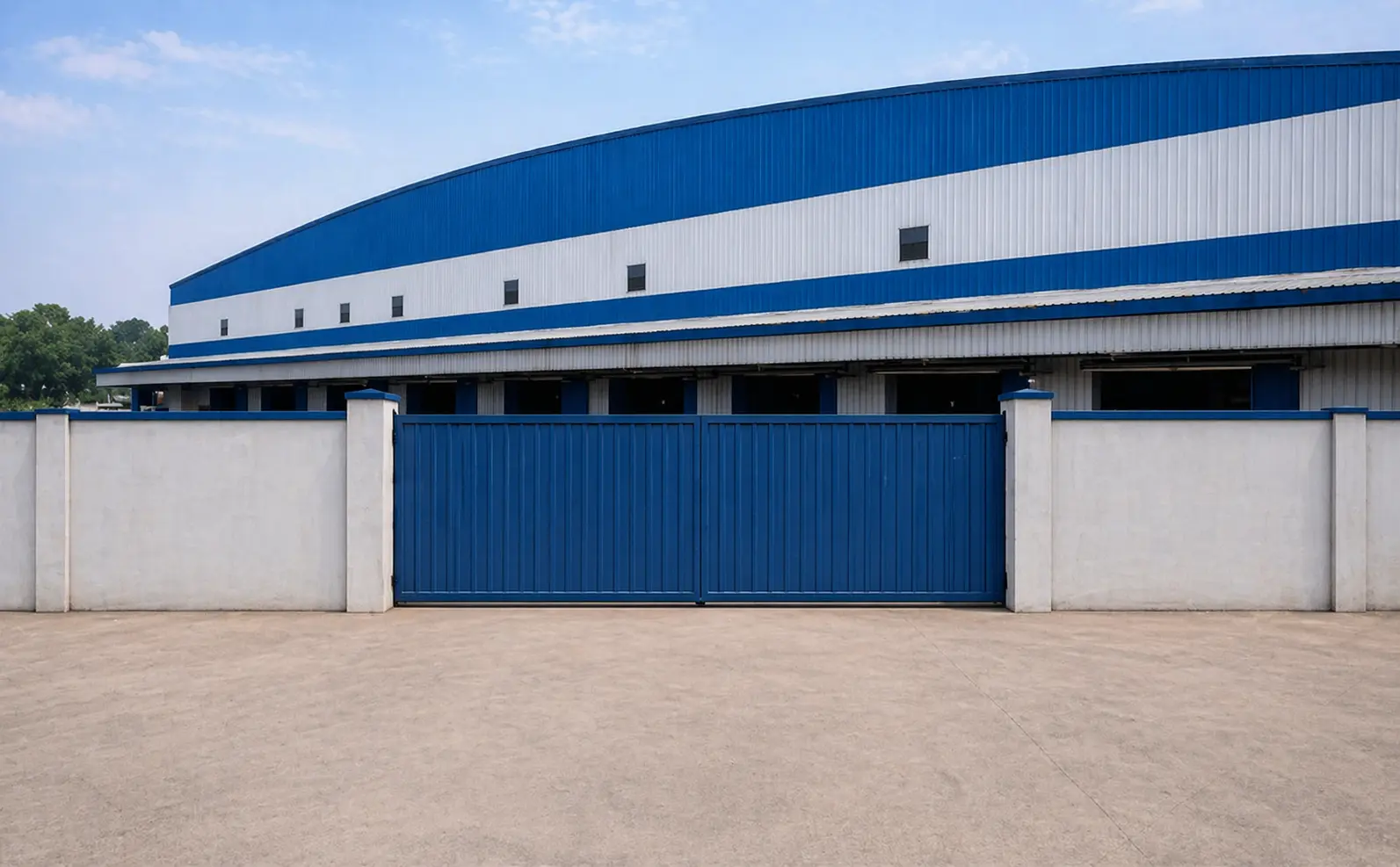
Warehouse Facility in Noida
Total Warehouse Area - 25,000 Sq.Ft.
Operational Space - 15,000 Sq.Ft.
Ready for Immediate Use 10,000 Sq.Ft.
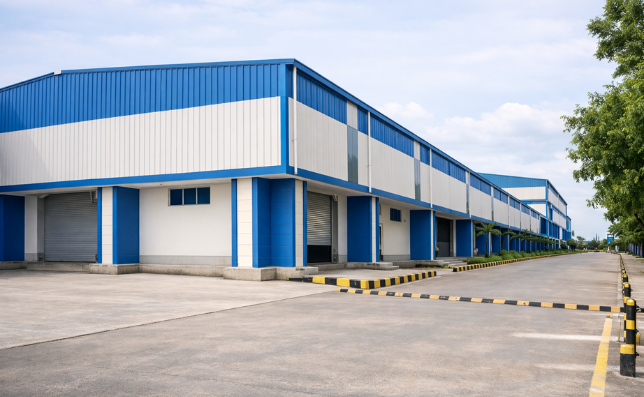
Warehouse Facility in Ghaziabad
Total Warehouse Area - 25,000 Sq.Ft.
Operational Space - 18,000 Sq.Ft.
Ready for Immediate Use 7,000 Sq.Ft.
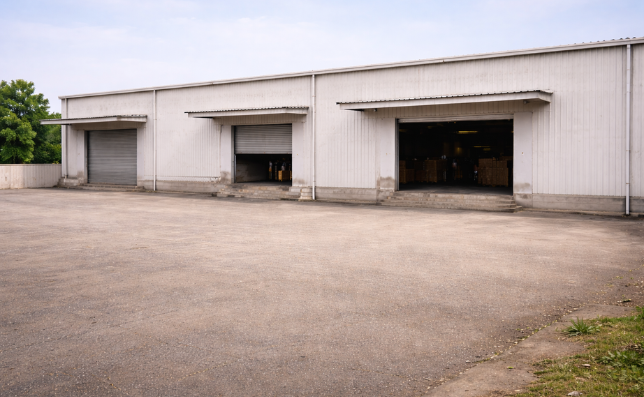
Warehouse Facility in Jammu
Total Warehouse Area - 18,000 Sq.Ft.
Operational Space - 12,000 Sq.Ft.
Ready for Immediate Use 6,000 Sq.Ft.
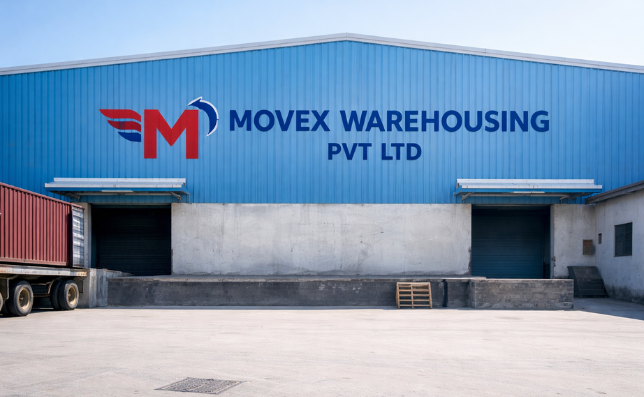
Warehouse Facility in Jaipur
Total Warehouse Area - 20,000 Sq.Ft.
Operational Space - 15,000 Sq.Ft.
Ready for Immediate Use 5,000 Sq.Ft.
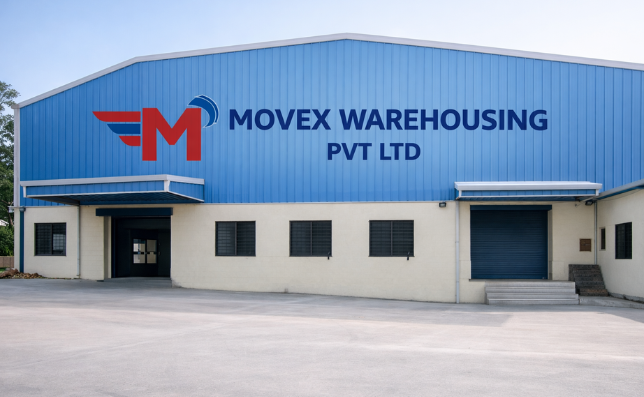
Warehouse Facility in Lucknow
Total Warehouse Area - 15,000 Sq.Ft.
Operational Space - 10,000 Sq.Ft.
Ready for Immediate Use 5,000 Sq.Ft.
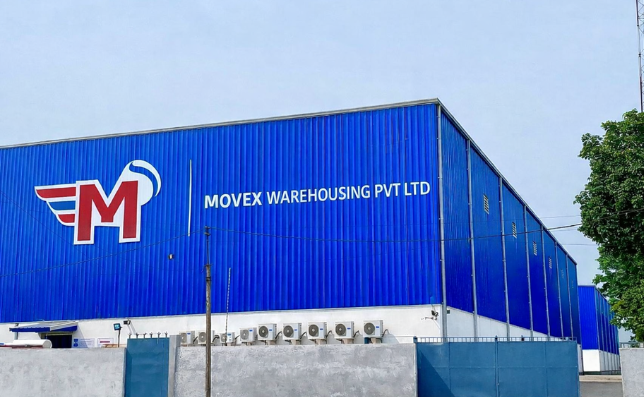
Warehouse Facility in Kolkata
Total Warehouse Area - 25,000 Sq.Ft.
Operational Space - 18,000 Sq.Ft.
Ready for Immediate Use 7,000 Sq.Ft.
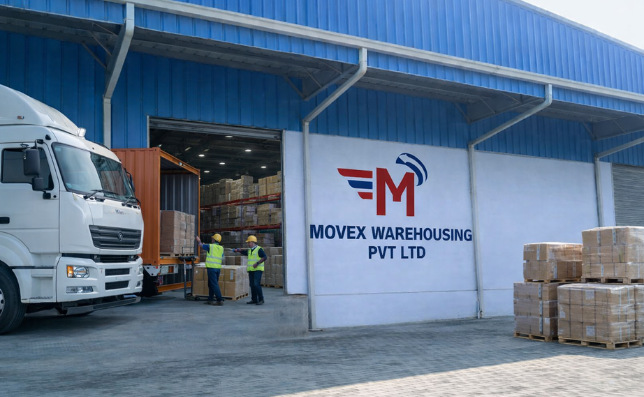
Warehouse Facility in Mumbai
Total Warehouse Area - 53,000 Sq.Ft.
Operational Space - 40,000 Sq.Ft.
Ready for Immediate Use 13,000 Sq.Ft.
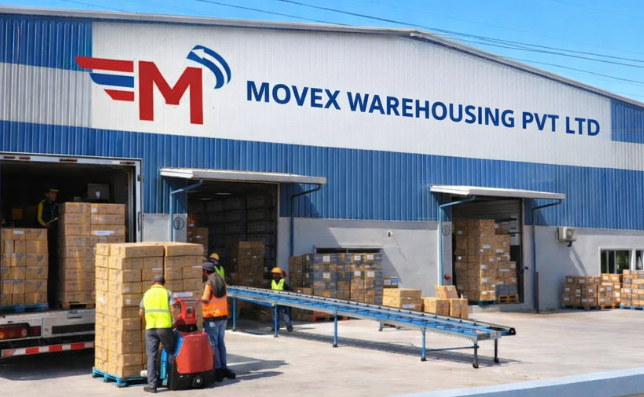
Warehouse Facility in Bangalore
Total Warehouse Area - 55,000 Sq.Ft.
Operational Space - 45,000 Sq.Ft.
Ready for Immediate Use 10,000 Sq.Ft.
Warehouse Facility in Hyderabad
Total Warehouse Area - 30,000 Sq.Ft.
Operational Space - 15,000 Sq.Ft.
Ready for Immediate Use 15,000 Sq.Ft.
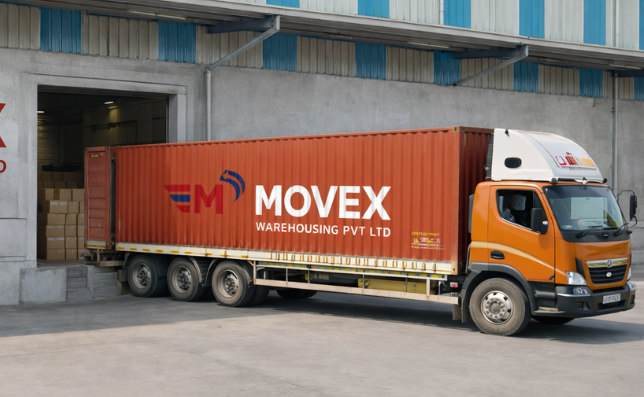
Warehouse Facility in Pune
Total Warehouse Area - 20,000 Sq.Ft.
Operational Space - 15,000 Sq.Ft.
Ready for Immediate Use 5,000 Sq.Ft.
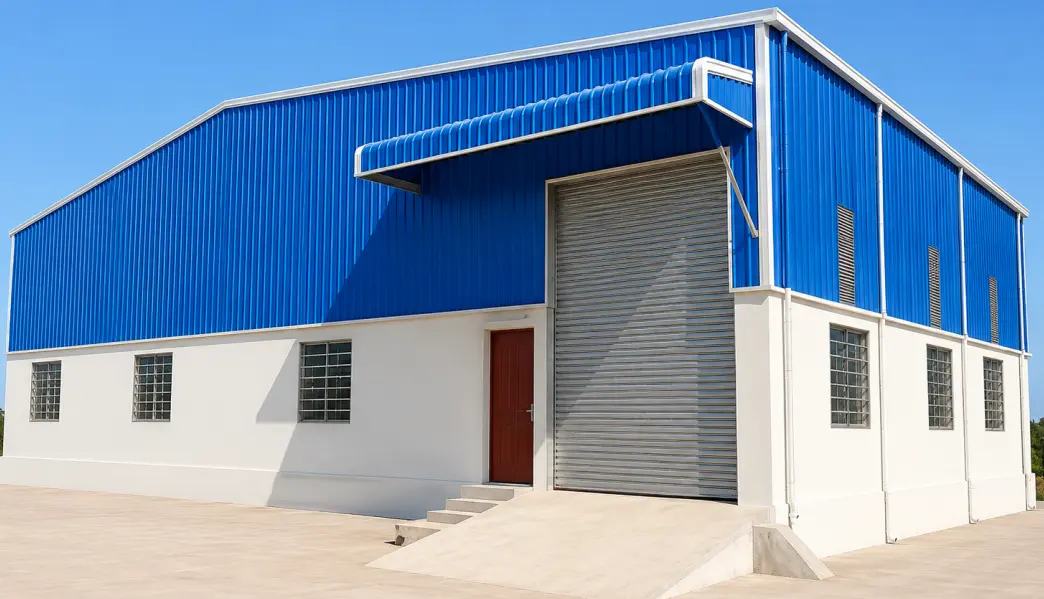
Warehouse Facility in Chennai
Total Warehouse Area - 20,000 Sq.Ft.
Operational Space - 15,000 Sq.Ft.
Ready for Immediate Use 5,000 Sq.Ft.
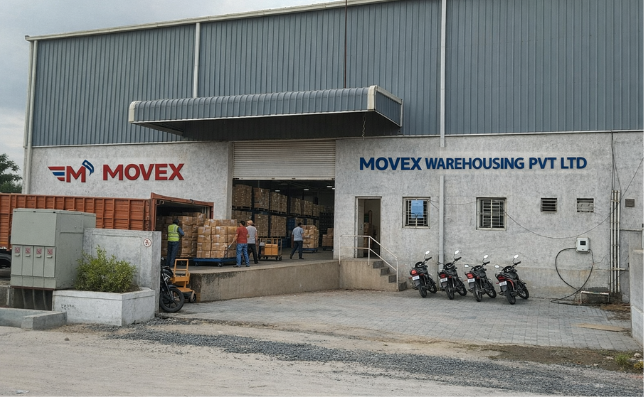
Warehouse Facility in Ahmedabad
Total Warehouse Area - 40,000 Sq.Ft.
Operational Space - 15,000 Sq.Ft.
Ready for Immediate Use 25,000 Sq.Ft.
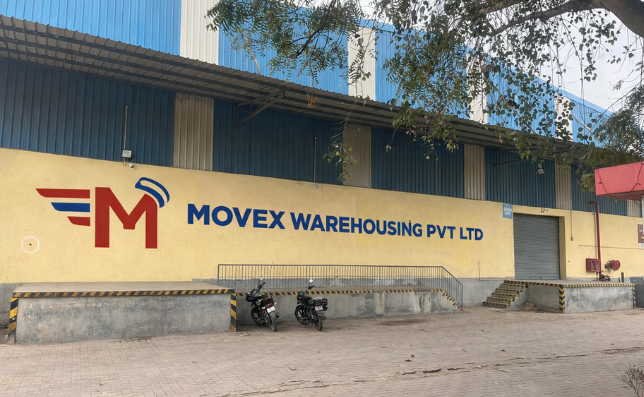
Warehouse Facility in Patna
Total Warehouse Area - 15,000 Sq.Ft.
Operational Space - 10,000 Sq.Ft.
Ready for Immediate Use 5,000 Sq.Ft.
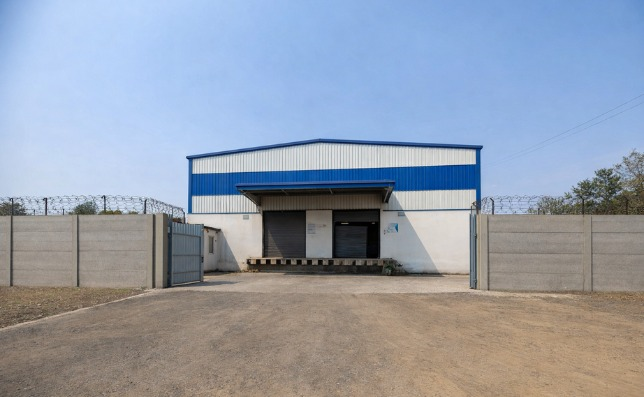
Warehouse Facility in Bhiwandi
Total Warehouse Area - 25,000 Sq.Ft.
Operational Space - 18,000 Sq.Ft.
Ready for Immediate Use 7,000 Sq.Ft.
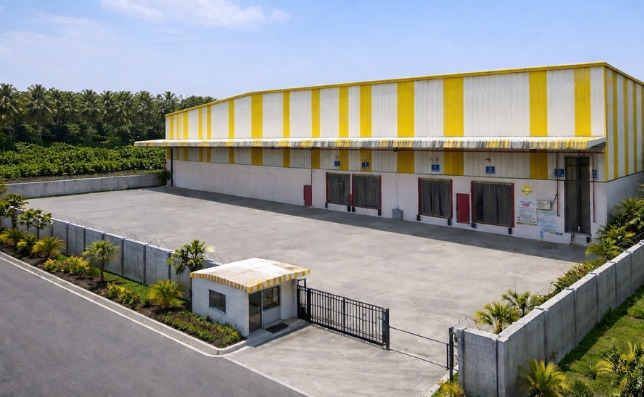
Warehouse Facility in Nagpur
Total Warehouse Area - 18,000 Sq.Ft.
Operational Space - 12,000 Sq.Ft.
Ready for Immediate Use 6,000 Sq.Ft.
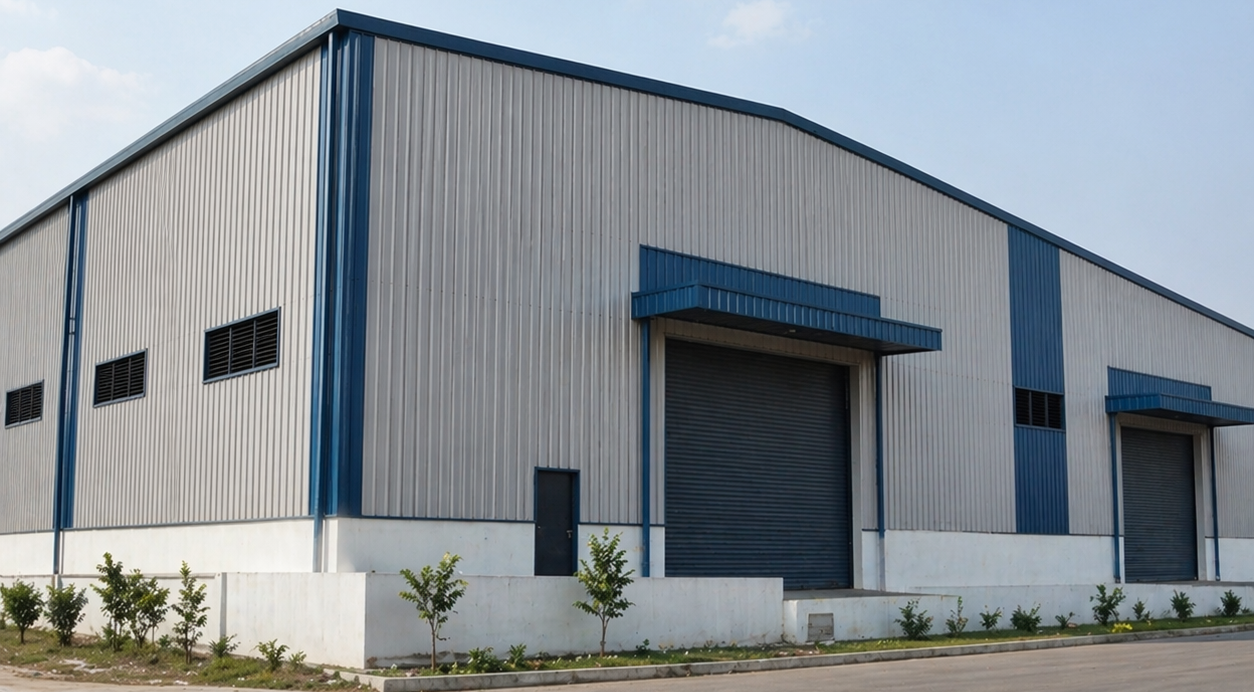
Warehouse Facility in Bhopal
Total Warehouse Area - 15,000 Sq.Ft.
Operational Space - 10,000 Sq.Ft.
Ready for Immediate Use 5,000 Sq.Ft.
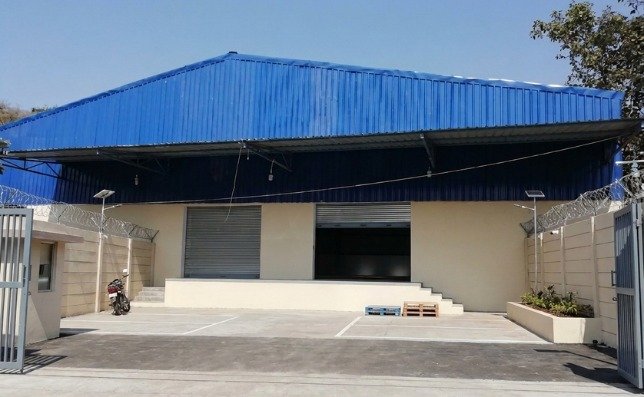
Warehouse Facility in Hisar
Total Warehouse Area - 12,000 Sq.Ft.
Operational Space - 8,000 Sq.Ft.
Ready for Immediate Use 4,000 Sq.Ft.

Warehouse Facility in Vijayawada
Total Warehouse Area - 12,000 Sq.Ft.
Operational Space - 8,000 Sq.Ft.
Ready for Immediate Use 4,000 Sq.Ft.
News & Blog
Movex News & Insights
Stay updated with the latest trends, innovations, and stories from the logistics world.
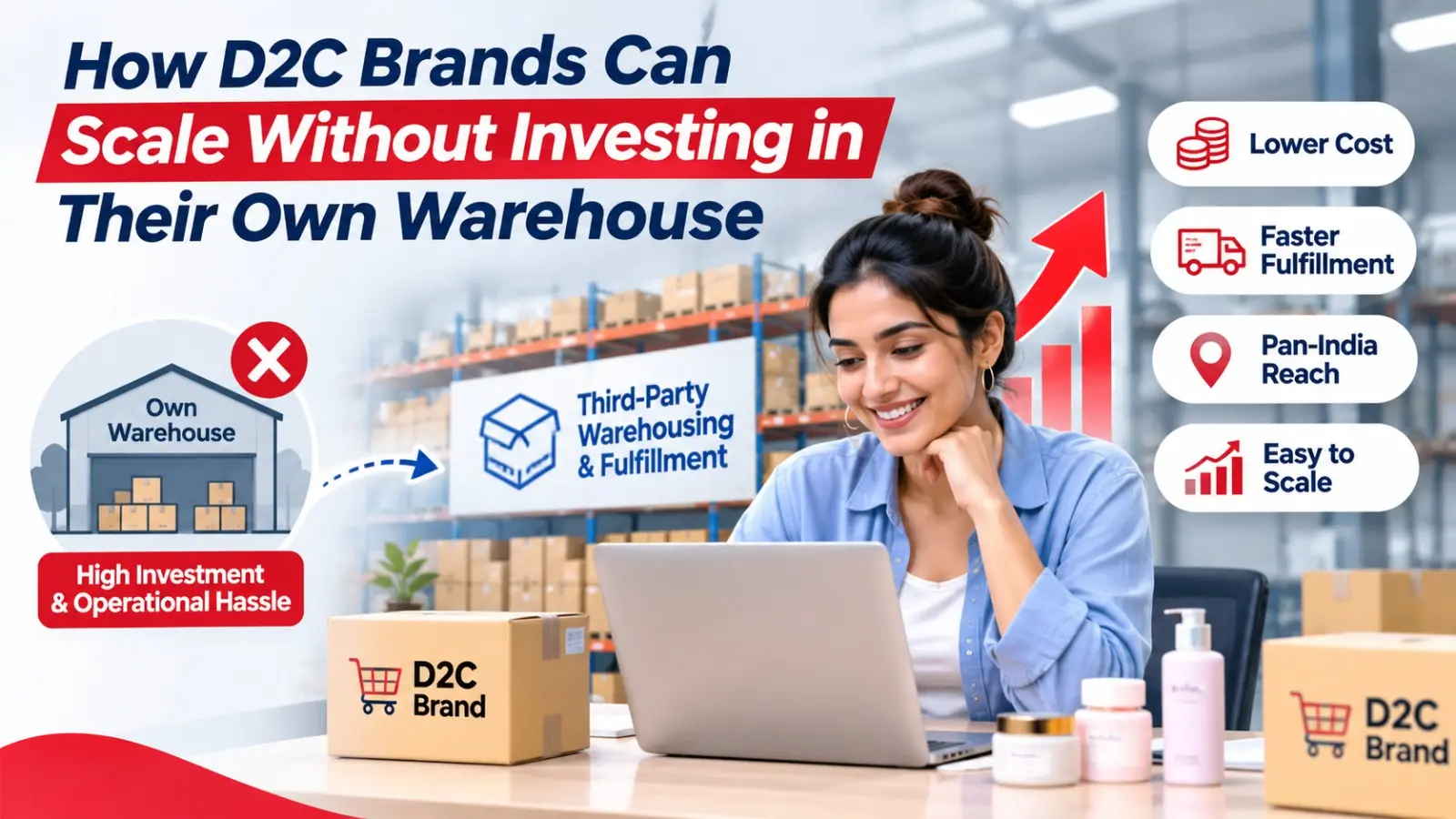

How D2C Brands Can Scale Without Own Warehouse
Direct-to-Consumer (D2C) companies can scale their business without invest in their own warehouse. Outsourcing fulfillment to third-party logistics (3PL) providers, using drop-shipping,
Read More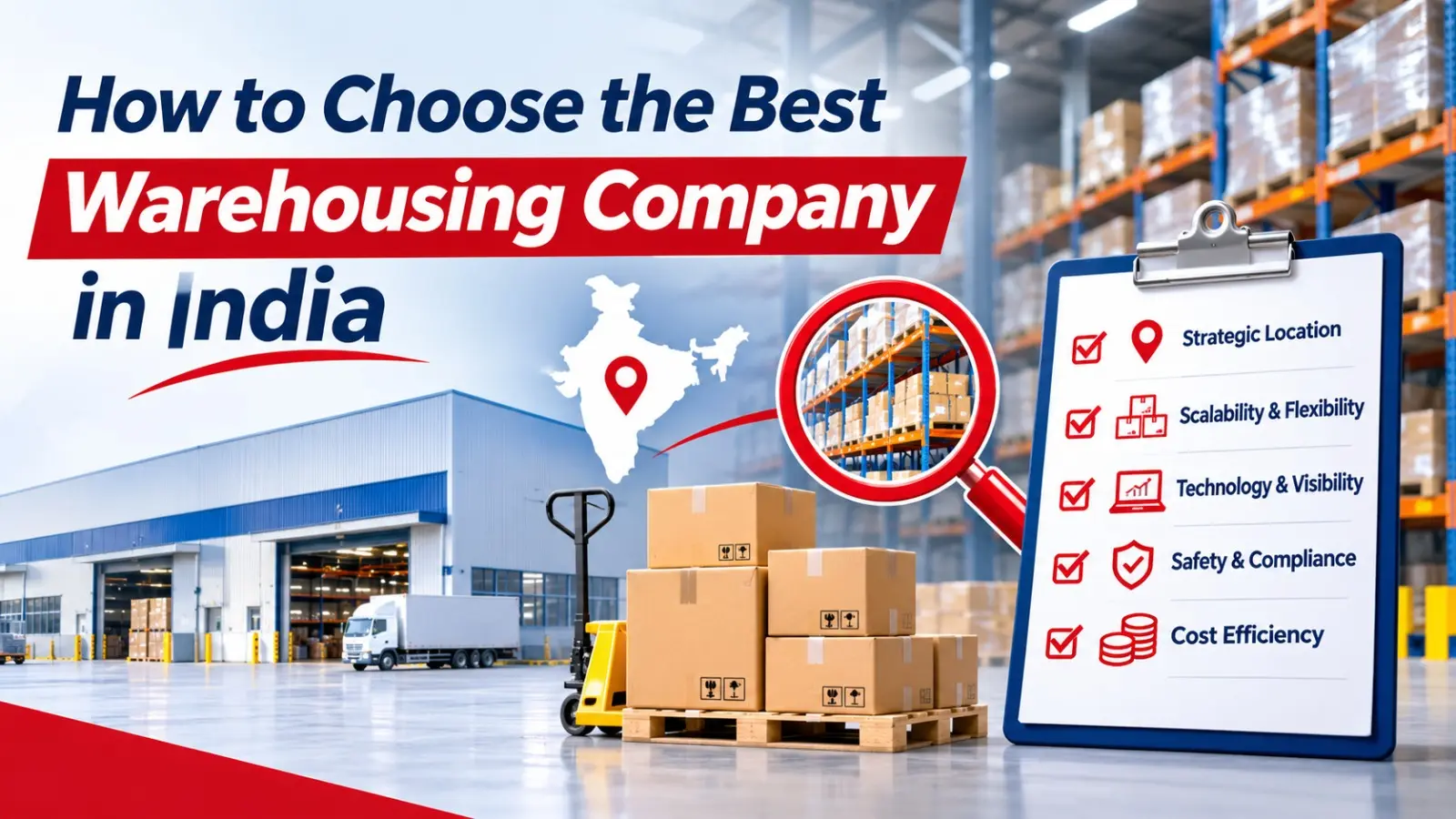
How To Choose Best Warehousing Company In India
Secure warehousing is important if you want seamless supply chain operations for your business. No matter what type of industry you are in- manufacturing, retail, e-commerce, FMCG, pharmaceuticals, or distribution.
Read More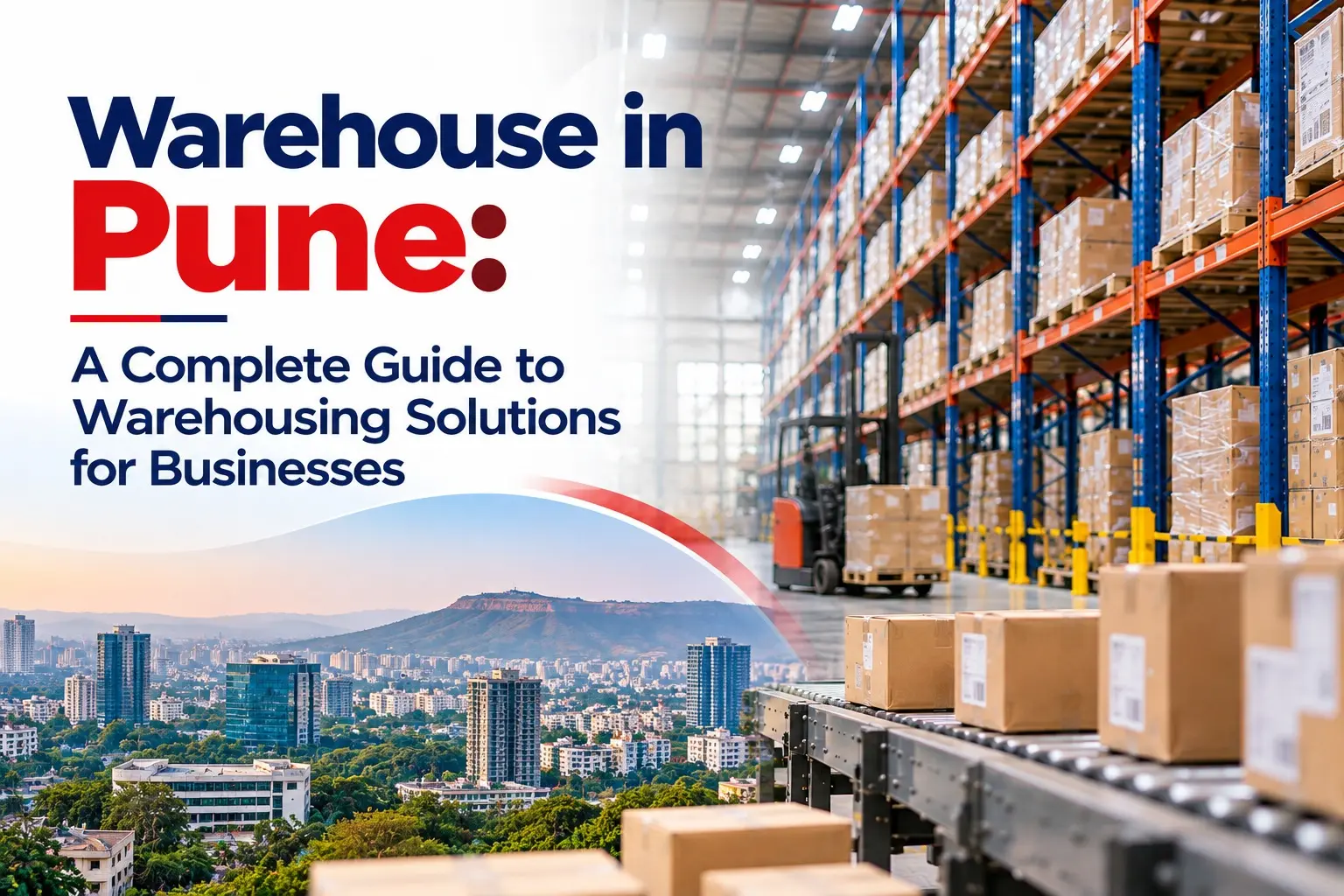
Complete Guide To Warehousing Solutions In Pune
Pune has become one of India's leading centres for industry and logistics because of the increased demand for online shopping, manufacturing, and retail. Because the need for choosing the right warehouse in Pune.
Read MoreWhat Our Customers Say

We have been using Movex Warehousing services for years, and their experienced team consistently delivers reliable storage, efficient inventory management, and timely deliveries.

Rakesh Sharma
Thanks to Movex Warehousing, our goods remain secure and well-organized. Their team has streamlined our logistics operations, helping us improve efficiency and reduce delays.

Sachin Saini
I am impressed with the modern warehouse facilities and timely support provided by Movex Warehousing. Their tracking system and careful handling of goods give us complete peace of mind.
Over 100+ reputable companies have placed their trust in Movex






our presence
Warehouse & Fulfillment Hubs
Nashik
•
Haldwani
•
Baddi
•
Dehradun
•
Zirakpur
•
Kolhapur
•
Ambala
•
Rohtak
•
Karnal
•
Sonipat
•
Rajkot
•
Mundra
•
Gorakhpur
•
Vadodara
•
Kota
•
Kanpur
•
Jodhpur
•
Bhiwadi
•
Faridabad
•
Manesar
•
Varanasi
•
Meerut
•
Prayagraj
•
Ranchi
•
Bhubaneswar
•
Silliguri
•
Indore
•
Coimbatore
•
Cochin
•
Guntur
•
Cuttack
•
Mysore
•
Guwahati
•
Visakhapatnam