
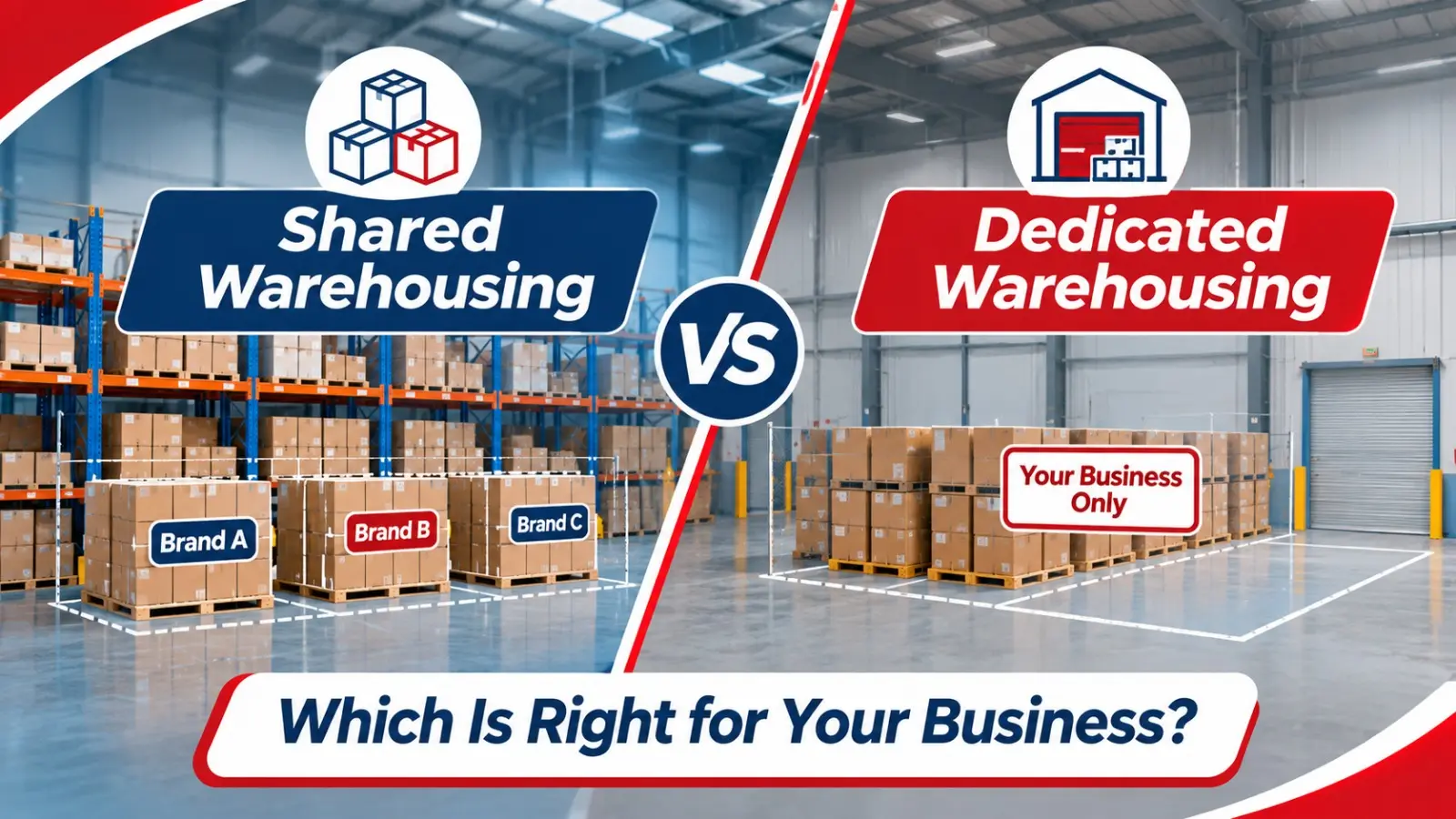
Shared Warehousing vs Dedicated Warehousing: Which Is Right for Your Business?
Choosing the right logistics model is a vital step for supply chain development. Two popular logistics models available are shared and dedicated warehousing. With shared warehousing, you can share the space, labour, and technology costs of a facility with other brands. Dedicated warehousing solutions provide you with the exclusive entire facility or a specially segregated area for your business that matches your own workflows.
Both options have their benefits, and the right choice may depend on your inventory volume, size of business, level of operational complexity, and growth plans. Understanding the differences on shared warehousing vs dedicated warehousing helps you pick the right warehousing solution that meets your logistics needs.
Understanding Shared Warehousing
Shared warehousing means renting a room in a large warehouse. Rather than managing the entire operation, you share the space, equipment, and labour with other businesses.
A third-party logistics provider manages the facility. They are responsible for receiving, storage, picking, packing, and shipping operations. The clients share the costs, including rent and staff, which makes this arrangement more affordable.
Pros
Shared warehouse services offer several benefits for ecommerce businesses:
-
Cost Effective
Companies can split the costs when they share warehouse space, such as rent, utilities, and labor. It leads to lower total costs than those associated with having their own facility. -
Flexibility
With shared warehousing, you can easily increase or decrease operations as per changing business requirements. It also allows you to easily modify your need for storage space without entering into long-term leases or making a commitment. -
Access to Resources
It provides you access to shared resources and infrastructure, such as equipment, technology, and specialized services, without the need to make large initial investments. -
Reduced Risk
Because the warehousing facilities are shared among a number of tenants, it reduces the financial stress during unexpected events or demand changes. -
Geographic Reach
The shared warehousing units are located in important logistics hubs and allow you to expand your reach. They allow you to serve customers in new markets efficiently. -
Collaboration Opportunities
By sharing a warehouse with other companies, you can get collaboration and networking opportunities, and result in partnerships or the exchange of best practices.
Cons
Even though shared warehouse storage options in India have many advantages, there are also some potential drawbacks as follows:
-
Limited Control
When brands use warehousing services, they will have less control over their warehousing operations than having their own facility. It may affect their flexibility and ability to customize their processes. -
Security Concerns
There may be security concerns if a warehouse is shared with other companies, especially when it comes to sensitive or high-value stock. Companies have to believe that their co-tenants maintain sufficient security procedures to stop theft or unauthorised access. -
Competition for Resources
In shared warehousing, companies have to compete for resources such as space, equipment, and labour. When peak seasons or periods of high demand occur, this competition may increase and result in conflicts or delays. -
No Customization
Shared warehousing facilities are shared among various tenants, so they cannot be tailored to match your business needs in terms of layout, workflows, or processes.
Understanding Dedicated Warehousing
With dedicated warehousing, you can get access to a separate warehouse unit. It is suitable for businesses that have particular operational requirements or for those that deal with large volumes. It adjusts the layout, the technology systems, and the methods for handling to suit your products.
Pros
Here are the pros of dedicated warehousing:
-
Customised Infrastructure
By having a dedicated warehousing solution, you can easily change the layout of the warehouse, the storage systems, and the workflow processes as per your specific requirements. This level of customisation ensures that space and resources are used in the most efficient way and results in more efficient operations. -
Improved Security and Control
Businesses now have greater control over security procedures and the rules relating to inventory management because they have exclusive access to the warehouse facility. -
Flexibility and Scalability
With dedicated warehousing, companies have access to scalability options which allow them to deal with fluctuations in inventory levels and in business growth. It is easy for them to adjust both the amount of space and the operational procedures to respond to changing demands instead of being restricted by shared arrangements or contractual limitations. -
Higher Productivity
By focusing on the operations and resources of a single company, dedicated warehousing can result in smoother workflows. It helps in faster order processing, shorter lead times, and more productivity across the entire supply chain.
Cons
The disadvantages of dedicated warehousing are:
-
Higher Costs
When it comes to dedicated warehousing, there is usually a greater initial investment and higher continuing operating expenses than the shared unit. It may cause financial stress on companies. -
Fixed Capacity
Although dedicated warehousing provides exclusive access and control, it may also keep companies restricted to the fixed capacity of the warehouse they are using. This inability to scale up can turn into a limitation when there are fluctuating demand levels or rapid growth, and results in underused space or a lack of sufficient capacity. -
Less Flexibility
Because a dedicated warehouse involves a long-term commitment, it may not have the flexibility needed to quickly respond to changes in business requirements or market conditions. Companies face difficulties when trying to change the size or layout of their warehouse operations without suffering substantial costs or disruptions. -
Geographical Limitations
Due to geographical limitations, companies with dedicated warehouses must consider where the facility is situated. It may limit their access to some markets, increase transportation costs for distribution, or make it impossible to meet the required shipping speeds.
Shared vs Dedicated Warehousing: Quick Comparison
Here is the quick comparison of shared warehousing vs dedicated warehousing:
| Parameter | Shared (Multi-Client) Warehousing | Dedicated Warehousing |
|---|---|---|
| Cost model | Variable (pay-per-use OpEx) | Fixed (full facility cost, CapEx or long lease) |
| Upfront investment | Minimal | High |
| Commitment | Monthly to yearly | 3–9 years |
| Scalability | Scale up/down on demand; ideal for seasonal peaks | Fixed capacity; scaling requires new space |
| Control & customisation | Limited; processes standardised across clients | Complete layout, SOPs, team, technology |
| Location flexibility | Easy multi-city presence via 3PL network | Concentrated in one or few locations |
| Speed to launch | Days to weeks (plug and play) | 3–12 months (fit-out or BTS) |
| Best suited for | Startups, D2C, seasonal businesses, market entry | Large stable volumes, brand-critical operations and specialised handling |
| Cost at low volume | Lower pay | Higher unused space costs more |
| Cost at high volume | Exceed dedicated at scale | Lower per unit at high utilisation |
Conclusion
The shared warehouse services provide flexibility and a reduced initial cost. It becomes suitable for business with variable demand, market pilots, and companies that are short on capital. Dedicated warehousing provides greater control, more customization, and predictable unit costs when operated on a large scale. The right option will depend on your volume profile, your level of risk tolerance, the service promise you make, and your long-term strategy.
Choosing the right warehousing solution like Movex Warehousing helps you improve inventory visibility and support timely order fulfillment. It can also control logistics costs and result in a more organised supply chain. Taking the time to assess your options will allow you to make informed decisions for business.
FAQs
What is the main difference between shared and dedicated warehousing?
With shared warehousing, several businesses can use the same premises and services. It is inexpensive and flexible warehouse space. With dedicated warehousing, you get your own facility and get more control, but at a high price.
How to find the right warehousing model for your business?
To evaluate the right warehouse storage options in India, you should balance your control needs, financial capacity, order volume, and product traits.
Can I switch from a shared to a dedicated warehouse?
Yes, you can switch from a shared to a dedicated unit over time and meet your business needs.
Reach out anytime for help!

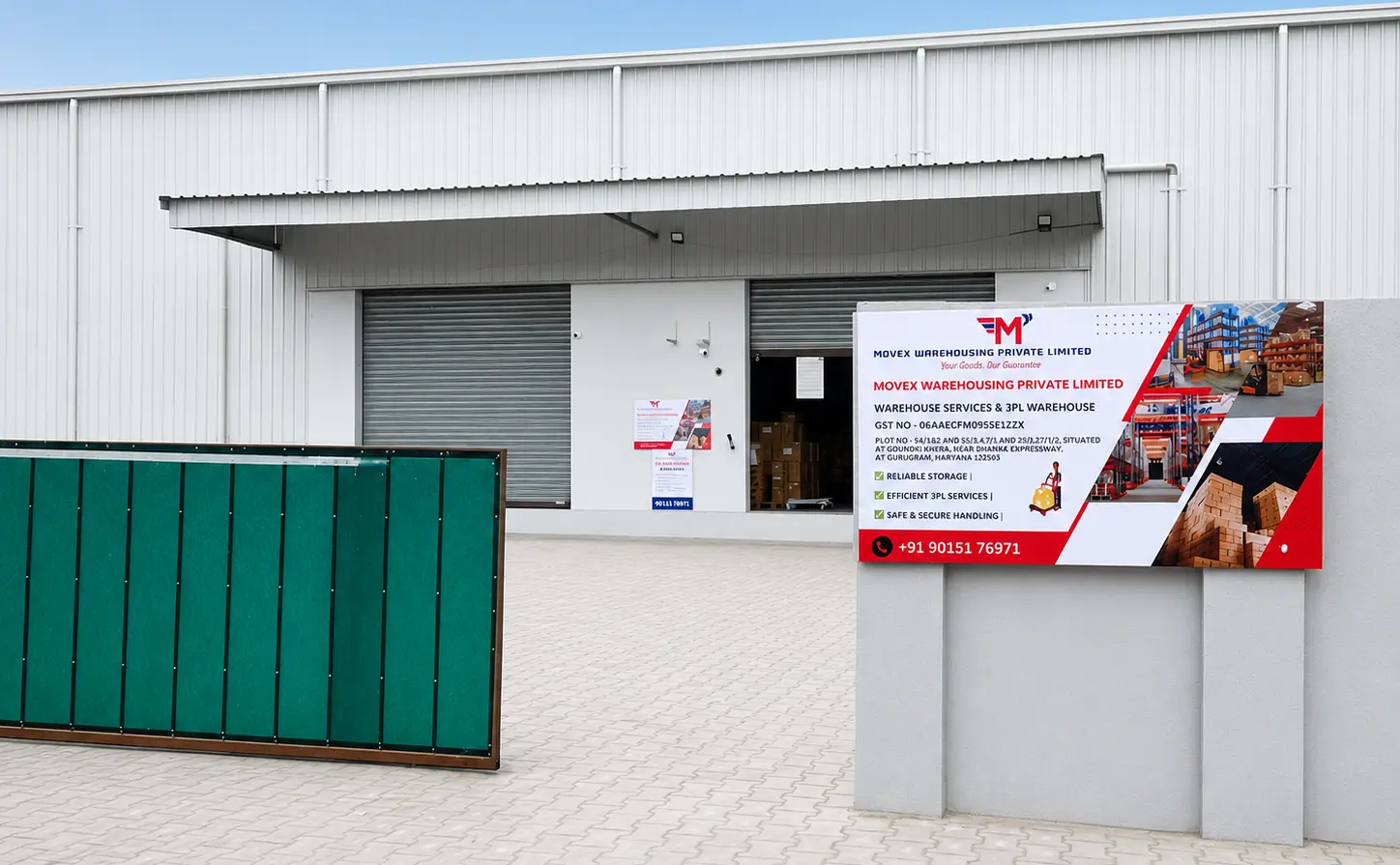
Warehouse Facility in Gurgaon
Total Warehouse Area - 73,000 Sq.Ft.
Operational Space - 50,000 Sq.Ft.
Ready for Immediate Use 15,000 Sq.Ft.
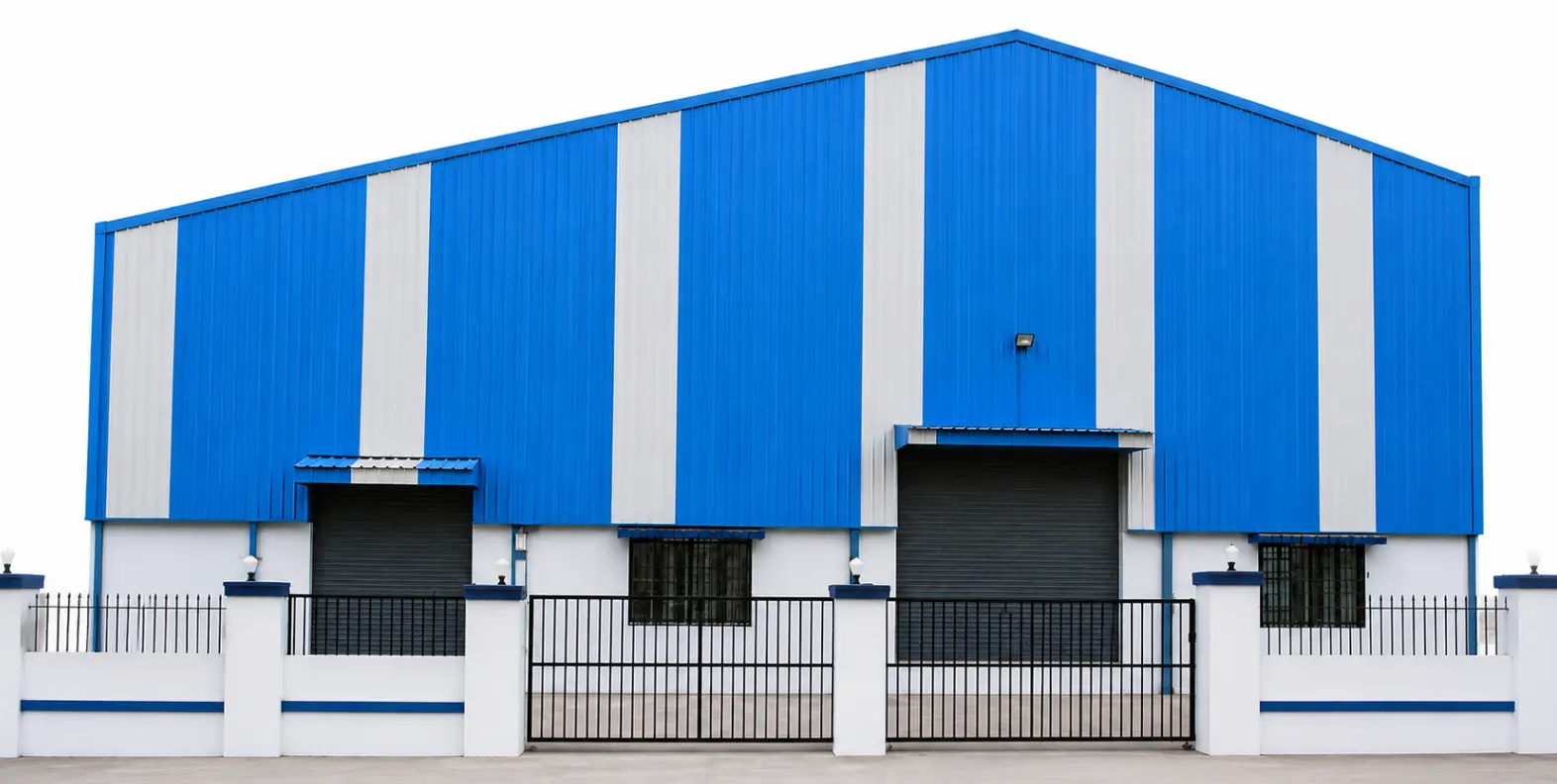
Warehouse Facility in Delhi
Total Warehouse Area - 43,000 Sq.Ft.
Operational Space - 30,000 Sq.Ft.
Ready for Immediate Use 13,000 Sq.Ft.
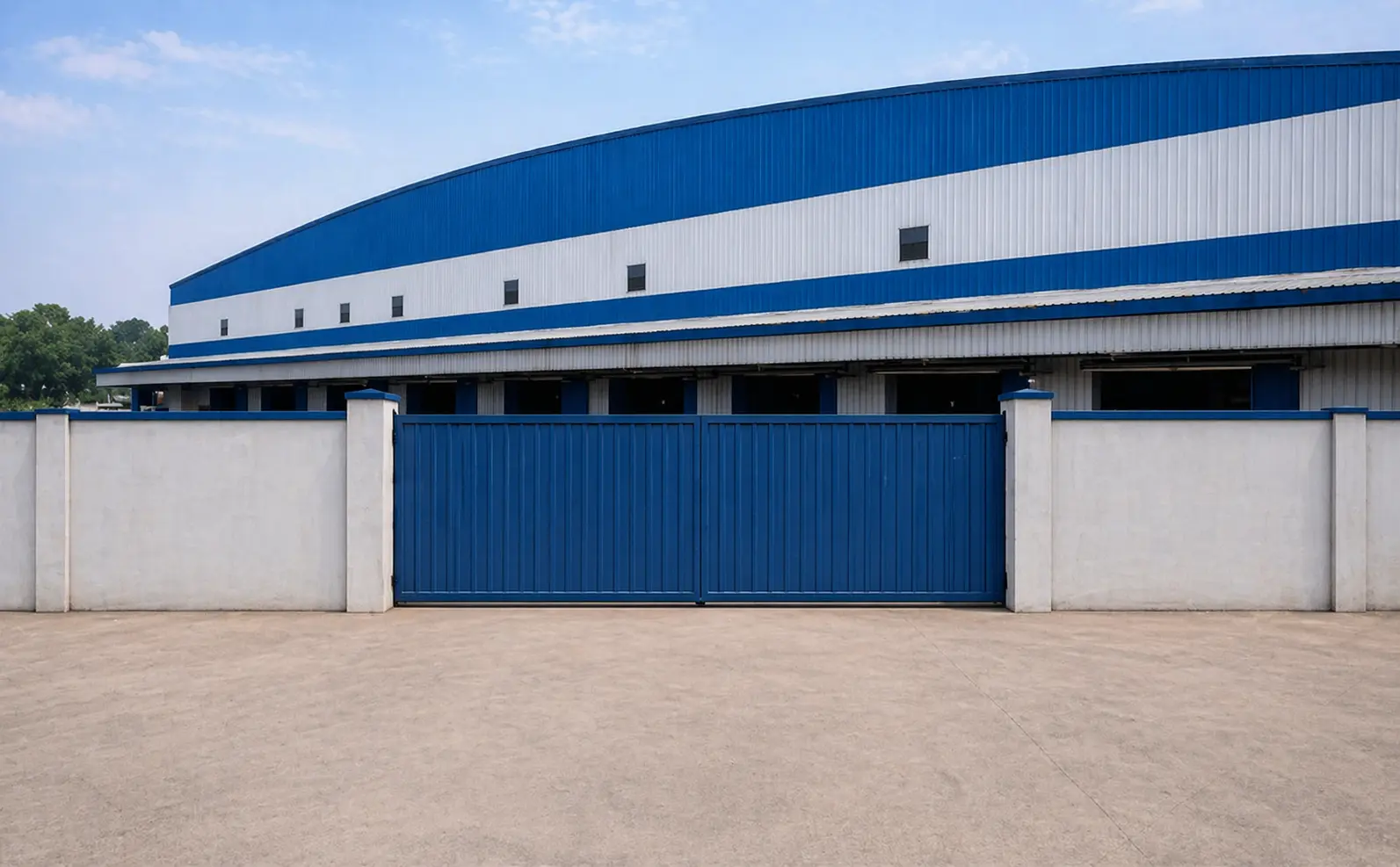
Warehouse Facility in Noida
Total Warehouse Area - 25,000 Sq.Ft.
Operational Space - 15,000 Sq.Ft.
Ready for Immediate Use 10,000 Sq.Ft.
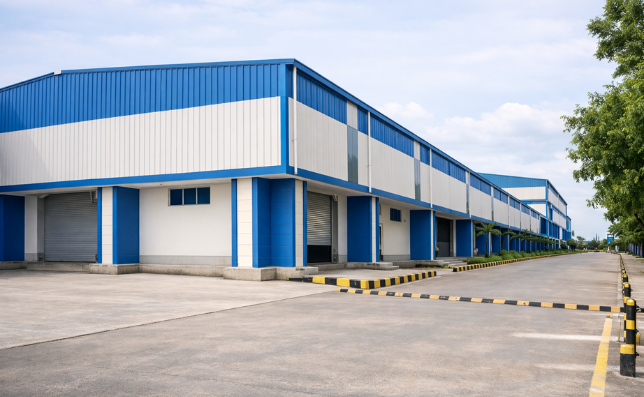
Warehouse Facility in Ghaziabad
Total Warehouse Area - 25,000 Sq.Ft.
Operational Space - 18,000 Sq.Ft.
Ready for Immediate Use 7,000 Sq.Ft.
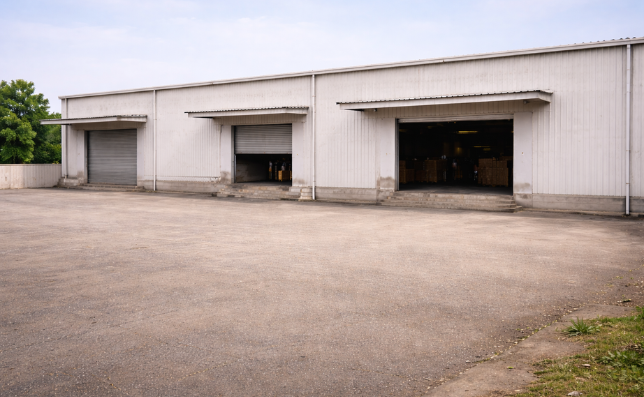
Warehouse Facility in Jammu
Total Warehouse Area - 18,000 Sq.Ft.
Operational Space - 12,000 Sq.Ft.
Ready for Immediate Use 6,000 Sq.Ft.
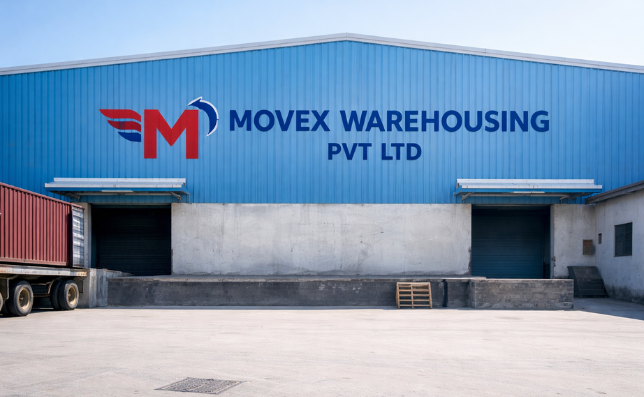
Warehouse Facility in Jaipur
Total Warehouse Area - 20,000 Sq.Ft.
Operational Space - 15,000 Sq.Ft.
Ready for Immediate Use 5,000 Sq.Ft.
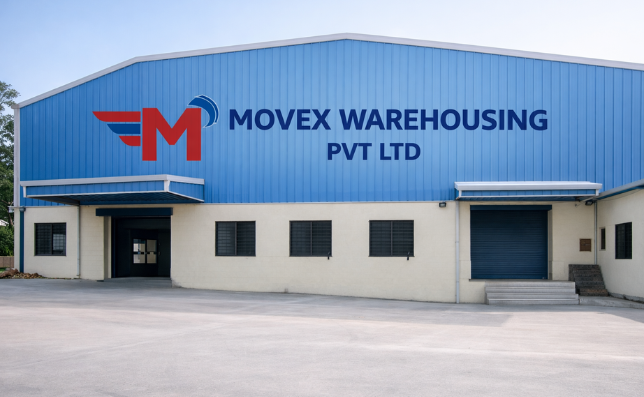
Warehouse Facility in Lucknow
Total Warehouse Area - 15,000 Sq.Ft.
Operational Space - 10,000 Sq.Ft.
Ready for Immediate Use 5,000 Sq.Ft.
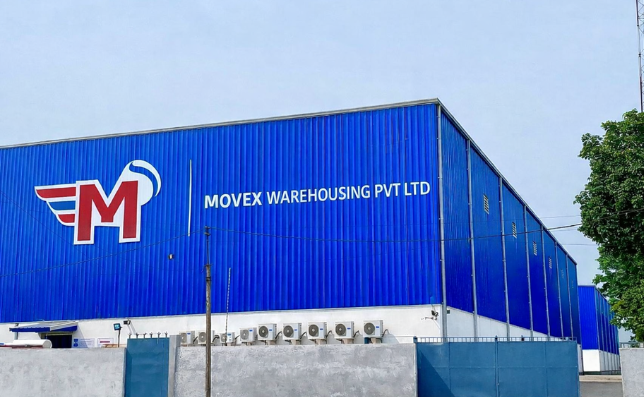
Warehouse Facility in Kolkata
Total Warehouse Area - 25,000 Sq.Ft.
Operational Space - 18,000 Sq.Ft.
Ready for Immediate Use 7,000 Sq.Ft.
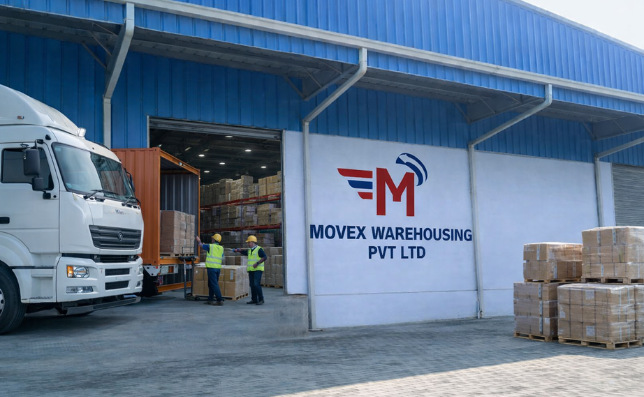
Warehouse Facility in Mumbai
Total Warehouse Area - 53,000 Sq.Ft.
Operational Space - 40,000 Sq.Ft.
Ready for Immediate Use 13,000 Sq.Ft.
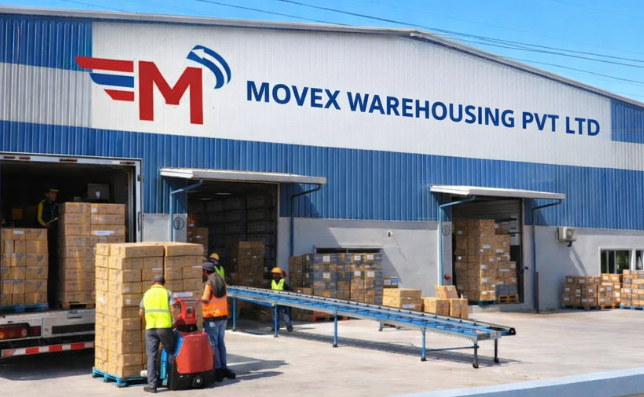
Warehouse Facility in Bangalore
Total Warehouse Area - 55,000 Sq.Ft.
Operational Space - 45,000 Sq.Ft.
Ready for Immediate Use 10,000 Sq.Ft.
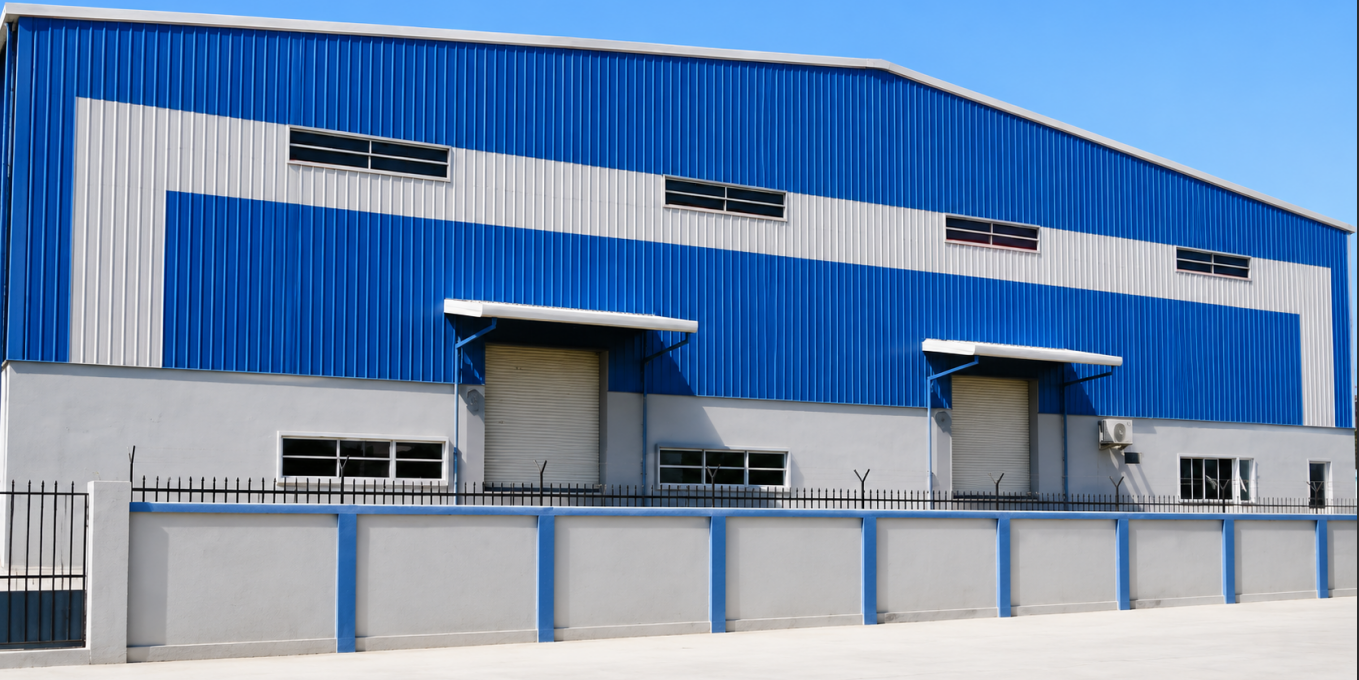
Warehouse Facility in Hyderabad
Total Warehouse Area - 30,000 Sq.Ft.
Operational Space - 15,000 Sq.Ft.
Ready for Immediate Use 15,000 Sq.Ft.
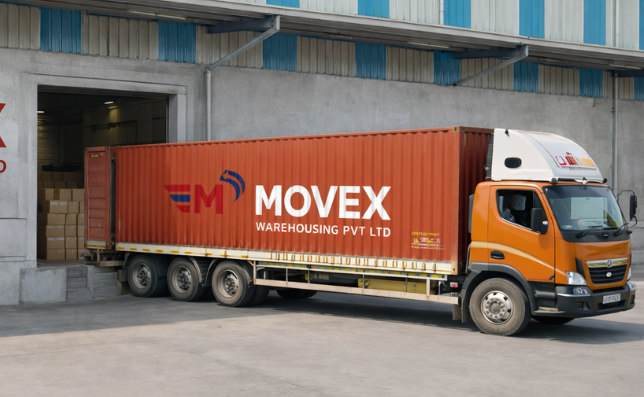
Warehouse Facility in Pune
Total Warehouse Area - 20,000 Sq.Ft.
Operational Space - 15,000 Sq.Ft.
Ready for Immediate Use 5,000 Sq.Ft.
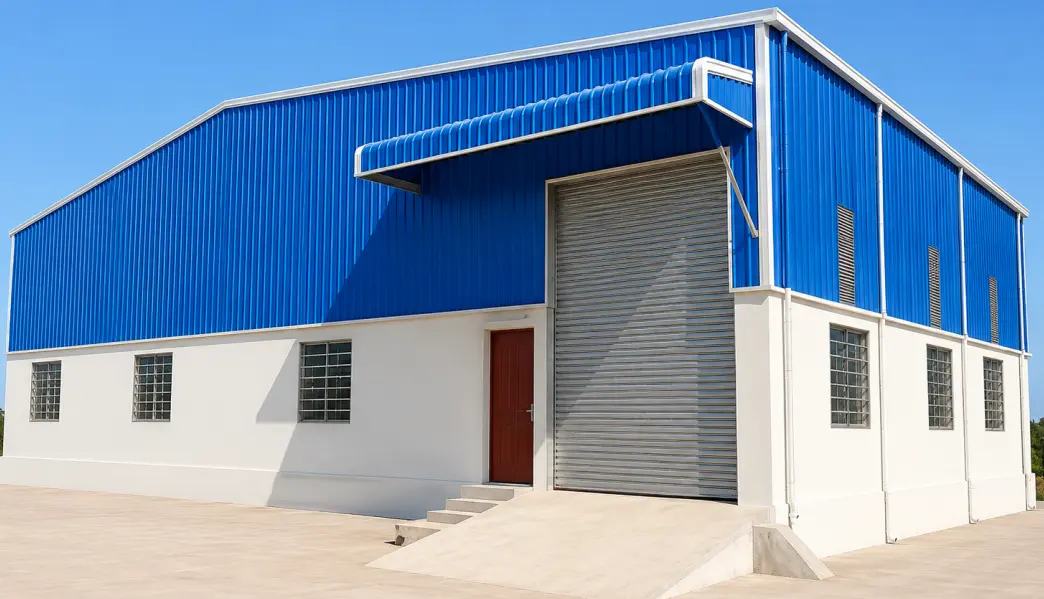
Warehouse Facility in Chennai
Total Warehouse Area - 20,000 Sq.Ft.
Operational Space - 15,000 Sq.Ft.
Ready for Immediate Use 5,000 Sq.Ft.
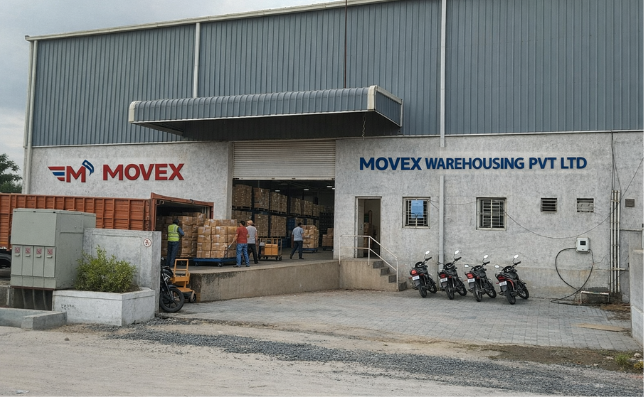
Warehouse Facility in Ahmedabad
Total Warehouse Area - 40,000 Sq.Ft.
Operational Space - 15,000 Sq.Ft.
Ready for Immediate Use 25,000 Sq.Ft.
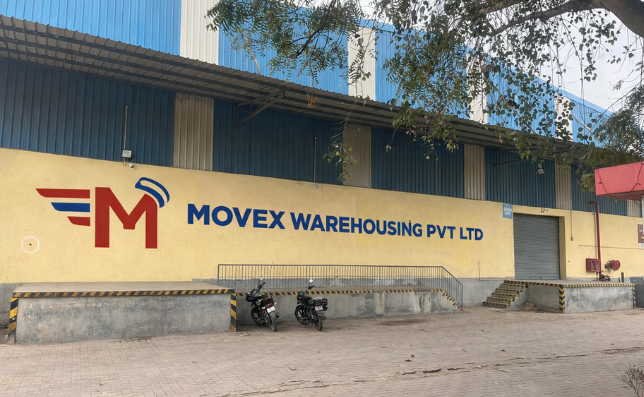
Warehouse Facility in Patna
Total Warehouse Area - 15,000 Sq.Ft.
Operational Space - 10,000 Sq.Ft.
Ready for Immediate Use 5,000 Sq.Ft.
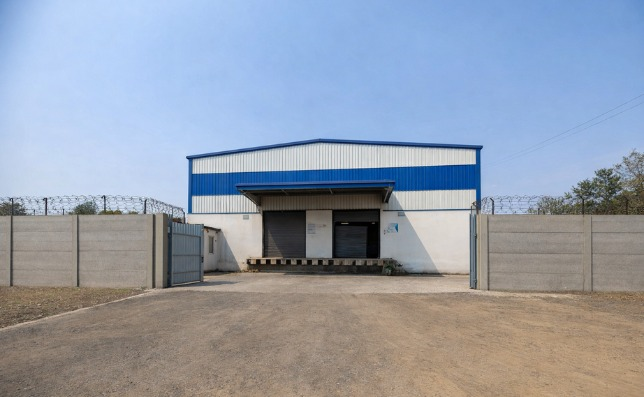
Warehouse Facility in Bhiwandi
Total Warehouse Area - 25,000 Sq.Ft.
Operational Space - 18,000 Sq.Ft.
Ready for Immediate Use 7,000 Sq.Ft.
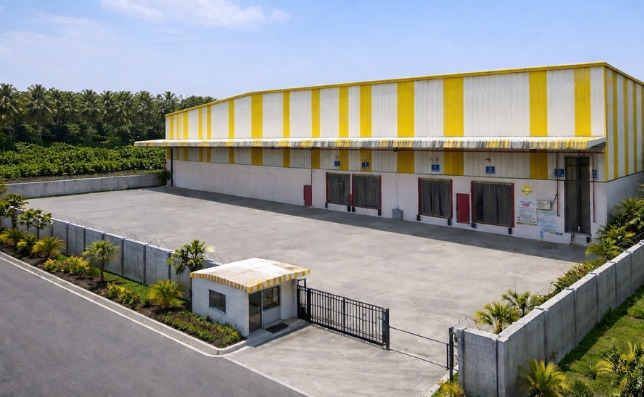
Warehouse Facility in Nagpur
Total Warehouse Area - 18,000 Sq.Ft.
Operational Space - 12,000 Sq.Ft.
Ready for Immediate Use 6,000 Sq.Ft.
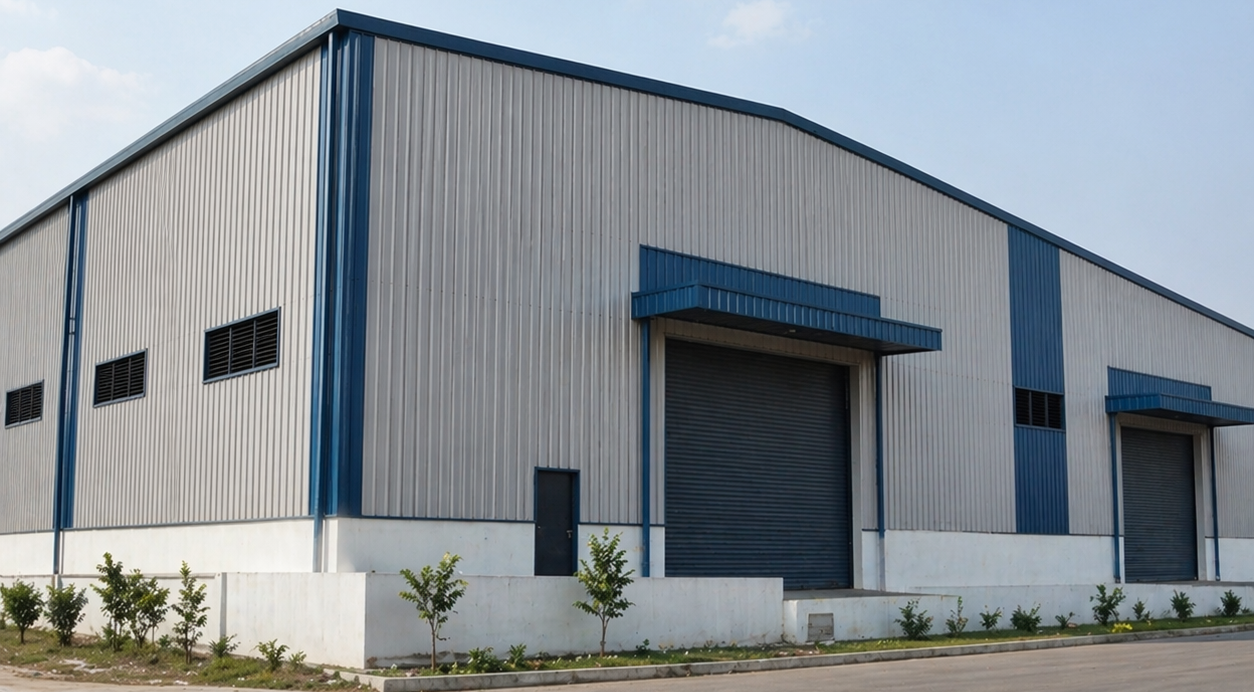
Warehouse Facility in Bhopal
Total Warehouse Area - 15,000 Sq.Ft.
Operational Space - 10,000 Sq.Ft.
Ready for Immediate Use 5,000 Sq.Ft.
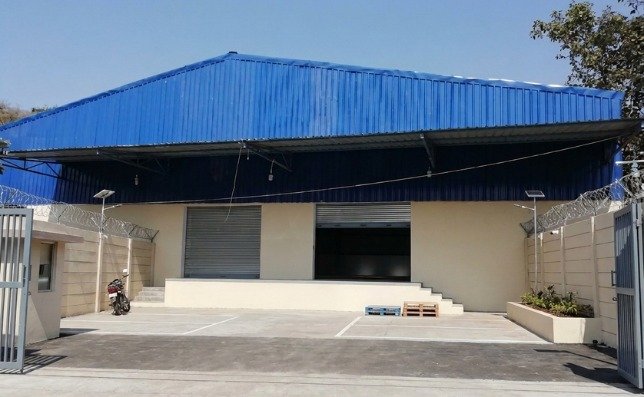
Warehouse Facility in Hisar
Total Warehouse Area - 12,000 Sq.Ft.
Operational Space - 8,000 Sq.Ft.
Ready for Immediate Use 4,000 Sq.Ft.

Warehouse Facility in Vijayawada
Total Warehouse Area - 12,000 Sq.Ft.
Operational Space - 8,000 Sq.Ft.
Ready for Immediate Use 4,000 Sq.Ft.
News & Blog
Movex News & Insights
Stay updated with the latest trends, innovations, and stories from the logistics world.
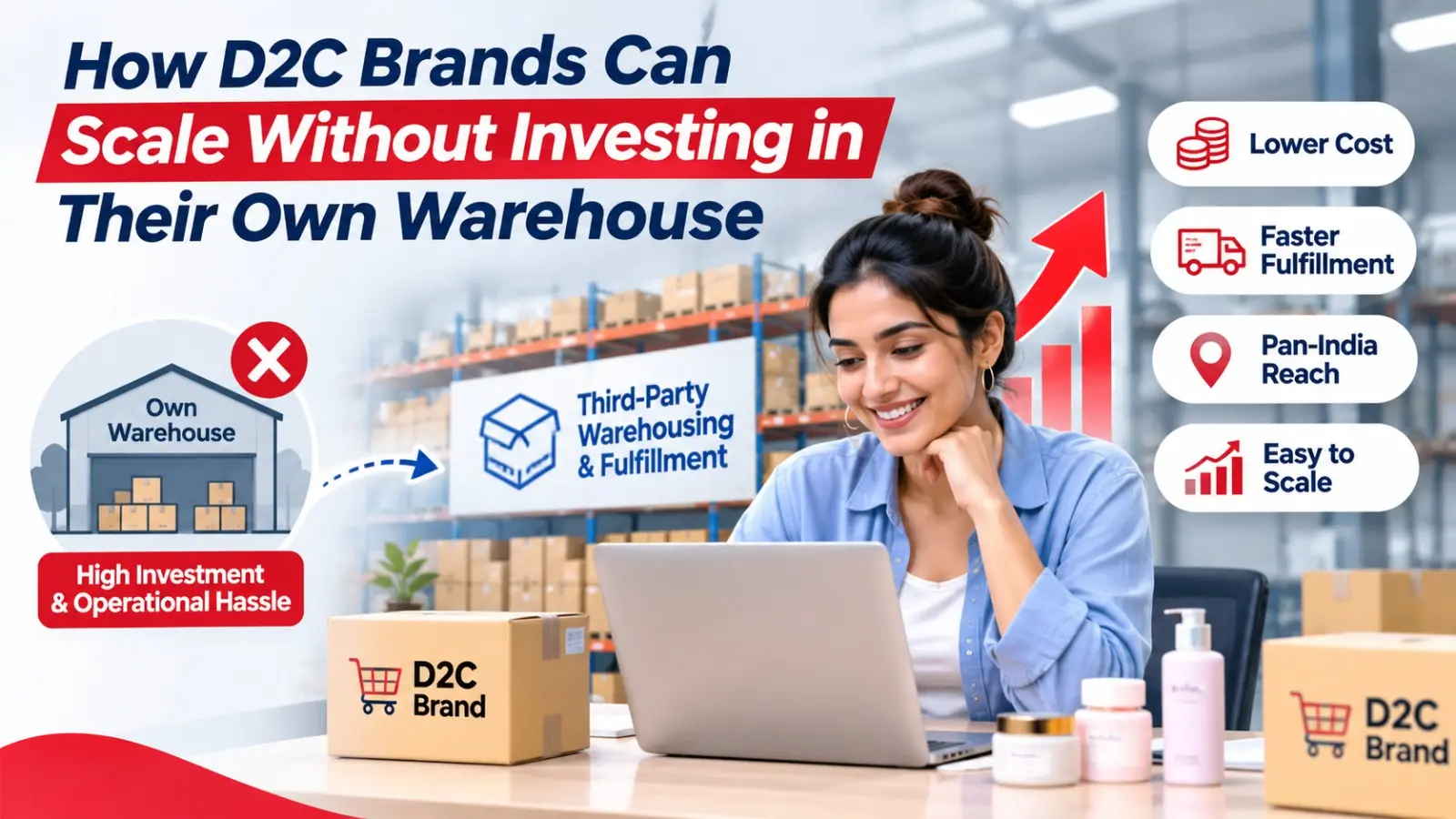

How D2C Brands Can Scale Without Own Warehouse
Direct-to-Consumer (D2C) companies can scale their business without invest in their own warehouse. Outsourcing fulfillment to third-party logistics (3PL) providers, using drop-shipping,
Read More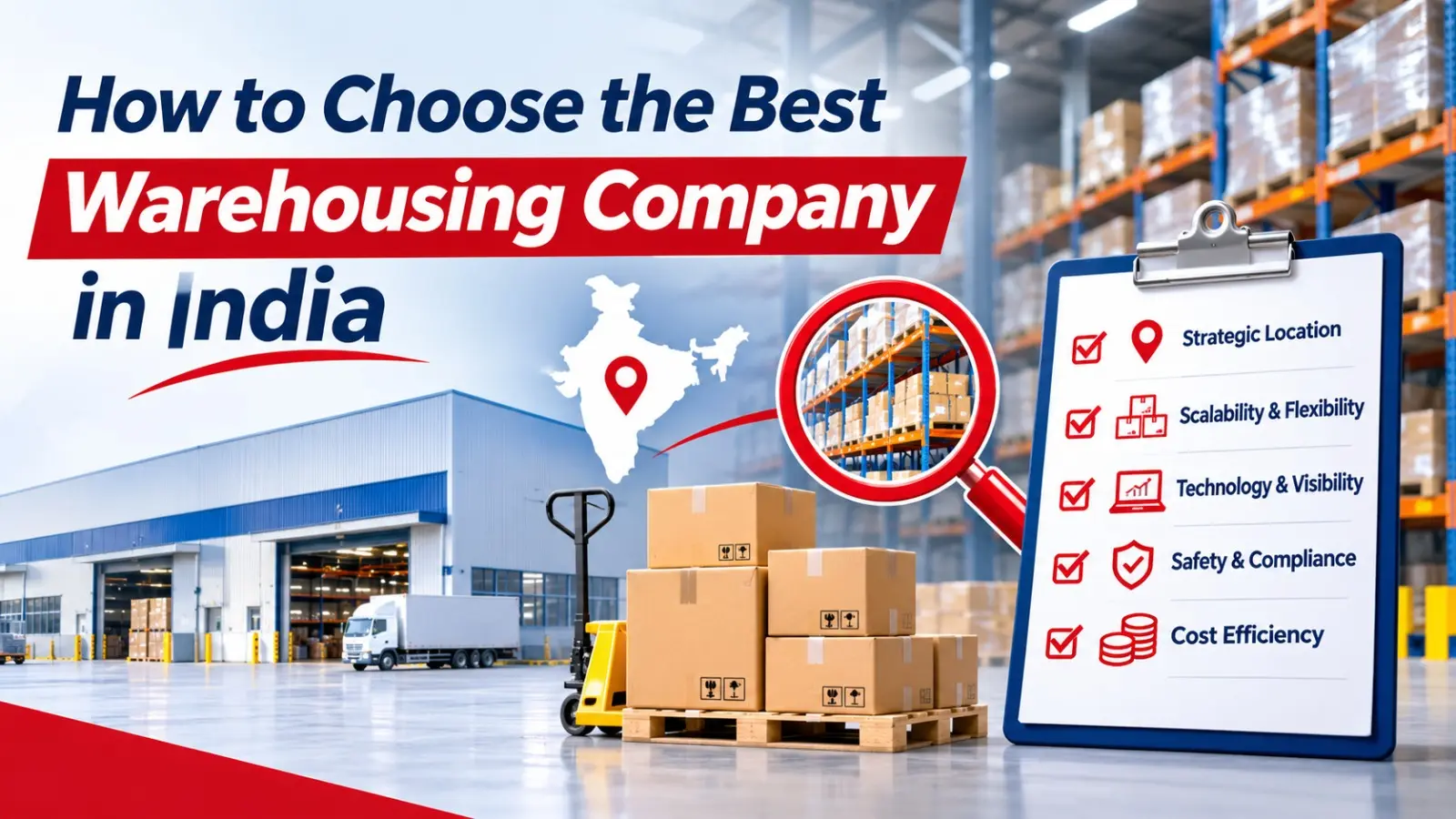
How To Choose Best Warehousing Company In India
Secure warehousing is important if you want seamless supply chain operations for your business. No matter what type of industry you are in- manufacturing, retail, e-commerce, FMCG, pharmaceuticals, or distribution.
Read More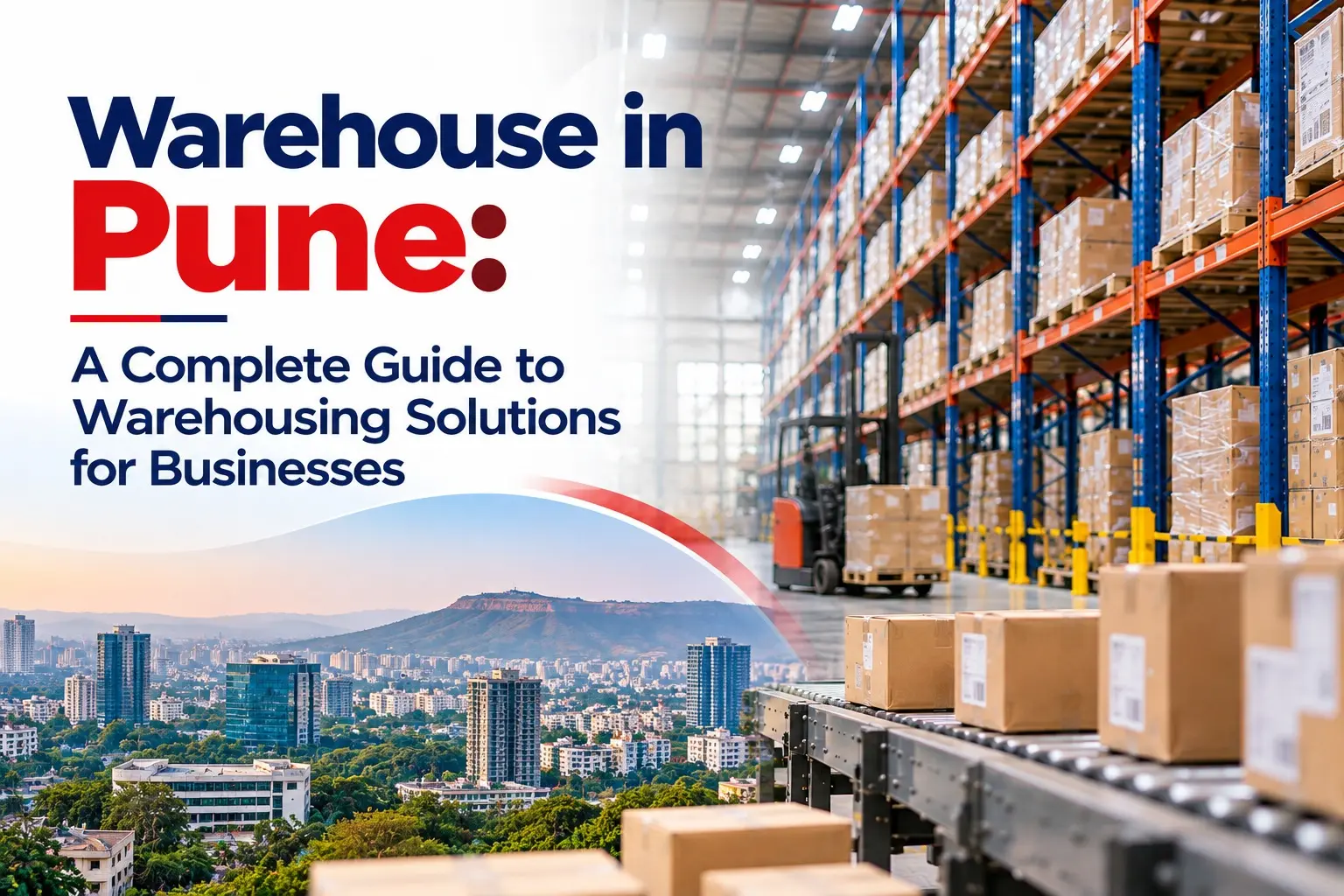
Complete Guide To Warehousing Solutions In Pune
Pune has become one of India's leading centres for industry and logistics because of the increased demand for online shopping, manufacturing, and retail. Because the need for choosing the right warehouse in Pune.
Read MoreWhat Our Customers Say

We have been using Movex Warehousing services for years, and their experienced team consistently delivers reliable storage, efficient inventory management, and timely deliveries.

Rakesh Sharma
Thanks to Movex Warehousing, our goods remain secure and well-organized. Their team has streamlined our logistics operations, helping us improve efficiency and reduce delays.

Sachin Saini
I am impressed with the modern warehouse facilities and timely support provided by Movex Warehousing. Their tracking system and careful handling of goods give us complete peace of mind.
Over 100+ reputable companies have placed their trust in Movex






our presence
Warehouse & Fulfillment Hubs
Nashik
•
Haldwani
•
Baddi
•
Dehradun
•
Zirakpur
•
Kolhapur
•
Ambala
•
Rohtak
•
Karnal
•
Sonipat
•
Rajkot
•
Mundra
•
Gorakhpur
•
Vadodara
•
Kota
•
Kanpur
•
Jodhpur
•
Bhiwadi
•
Faridabad
•
Manesar
•
Varanasi
•
Meerut
•
Prayagraj
•
Ranchi
•
Bhubaneswar
•
Silliguri
•
Indore
•
Coimbatore
•
Cochin
•
Guntur
•
Cuttack
•
Mysore
•
Guwahati
•
Visakhapatnam