
What Is On-Demand Warehousing? A Complete Guide for Growing Businesses
A growing business usually faces the typical logistics problem of finding enough warehouse space to meet customer demand. Because inventory levels vary, seasonal sales lead to sudden storage needs, and expansion to the new markets, it makes it difficult to manage traditional warehousing.
On-demand warehousing in India provides a flexible option. It allows businesses to use available warehouse space and the associated logistics services whenever they need them, without needing to keep their own facilities or enter into long-term contracts. Companies can use this approach to handle seasonal inventory, assist with e-commerce order fulfillment, test new markets, and react to changes in order volumes.
If a business knows how on-demand warehousing works, how much it costs, and when it should be used, then it will be able to create a more adaptable supply chain.
What Is On-Demand Warehousing?
On-demand warehousing is a flexible warehousing solution that enables businesses to rent both warehouse space and fulfillment services whenever they need them. It involves no long-term commitments and is a suitable warehouse solution for companies that have to handle seasonal spikes in demand, overflow inventory, or expansion into new markets.
Orders can suddenly rise during the festive season, and this may be considered difficult for an e-commerce business to address. Because traditional warehousing involves long-term contracts, this may not be something that many e-commerce businesses can afford.
On-demand warehousing in India is a good choice for companies that have varying needs regarding their inventory because it allows them to hire warehouse space and related services only when they actually need it.
What Are the Main Features of On-Demand Warehousing?
On-demand warehouses are unique from traditional warehouses because of the following key characteristics.
-
Flexible Contracts
Standard warehouse leases often require businesses to agree to stay at a specific location and have a certain amount of space for a long time. On-demand warehousing provides more scalable storage solutions such as short-term bookings, monthly billing, or an agreed notice period. The terms allow you to meet changing inventory needs without keeping the same level of storage capacity throughout the year. The level of flexibility varies according to the provider, and companies should check the minimum commitments and cancellation terms. -
Pay-for-Use Pricing
The cost of on-demand warehousing is based on the space and services that a business uses. The pricing varies according to the provider. It is charged on a per-pallet, per storage unit, per cubic volume, per order, or per handling activity basis. Companies need to pay additional fees for receiving goods, selecting products, packing the orders, and for the coordination of shipping. Even though this arrangement can reduce the costs associated with unused warehouse space, the overall costs will depend on the rate at which inventory is turned over and on the amount of services used. -
Digital Warehouse Marketplaces
Some on-demand warehousing platforms arrange businesses with warehouse operators through online marketplaces. Using these platforms, companies can check the available facilities, compare the various service options, and arrange their storage needs. Although digital platforms can make it easier to find a warehouse, companies can assess the quality of the service, security, the level of inventory visibility, and contract terms before choosing a provider.
Benefits of On-Demand Warehousing
Here are the benefits of this short-term warehouse storage:
-
Quick Shipping and Fulfillment
It is difficult for most e-commerce companies to meet customers' demands within a given time period, especially around the festive season or holidays. Using on-demand warehousing allows you to fulfill customer orders efficiently and improve your brand reputation in the market. -
Technology
The warehouses that operate on an on-demand basis are fitted with advanced technology such as data analytics, which improves visibility within the supply chain. They also provide demand analysis to predict product demand. -
Expertise
A company may not have any experience in the area of international shipping or in dealing with customs regulations. However, on-demand warehouse companies have a group of skilled and expert individuals who can ship products internationally without any difficulty and improve customer satisfaction. -
Focus on Main Business
It takes more time and resources for traditional warehouses to manage their inventory efficiently. For example, warehouse workers have to spend hours selecting and packing the products. On the other hand, on-demand warehousing saves time that would be spent on inventory management and allows you to focus on important areas such as product development or finding new markets.
How to Get Started with On-Demand Warehousing
If you are getting started with on-demand warehousing in India, you have to choose the right storage space that provides you with flexible capacity and can improve fulfillment performance without compromising inventory control, cost visibility, or execution consistency throughout the network. Here is how you can get started with on-demand warehousing.
-
Assess Your Storage Needs
Begin by determining the reason for flexible warehousing solutions. A short-term storage gap, a seasonal increase in demand, regional expansion, a product launch, and overflow from slow-moving inventory require a different on-demand warehouse management strategy. Rather than estimating square footage alone, you should determine the:- SKU velocity and storage profile
- Peak-to-average inventory ratio
- Regional order concentration
- Replenishment frequency
- Fulfillment SLA pressure
-
Research On-Demand Warehousing Platforms
The operational suitability of the leading providers should be assessed, not only on the basis of the size of their network. A warehouse may have available capacity but will still fail if its labour model, technology stack, handling procedures, or SLA controls are not aligned to your inventory needs. Here are the factors to evaluate: -
Check Warehouse Locations
When choosing a location, you should consider both the proximity to demand and network economics rather than only the rental cost. If a cheaper facility increases total fulfillment costs by adding transportation distance, transfer complexity, or delivery variability, then it will not be beneficial. The right location must provide various benefits, such as faster regional delivery, lower outbound transport costs, or better inventory availability close to demand clusters. -
Understand Pricing Models
When pricing on-demand warehousing, the costs go beyond the storage charges. It is suggested to calculate the total cost-to-serve, including receiving, putaway, pick-and-pack, the length of time items are stored, inventory transfers, handling of returns, and transportation. A facility that uses cheaper storage might end up being more expensive because it results in more split shipments, more manual interventions, or greater exception handling. -
Integrate with Your Operations
It is necessary to determine whether the flexible capacity can strengthen the network. For the on-demand facility and the present WMS, ERP, OMS, and transportation systems to work together, data on inventory, order flow, shipment status, and replenishment triggers must transfer smoothly between them. -
Test and Scale
Start with a pilot phase that is carefully controlled before moving on to other regions or product categories. This pilot should go beyond checking storage availability. It should also verify inventory accuracy, order cycle time, fulfilment cost, SLA performance, and the frequency of exceptions. Expand the scale only if the operating model shows that flexible warehousing improves network performance without leading to higher hidden coordination costs.
Evaluation Factors for On-Demand Platforms
Use this table to compare on-demand warehousing platforms:
| Evaluation Area | Why It Matters |
|---|---|
| WMS connectivity | Reduces inventory visibility gaps |
| SLA reporting | Tracks fulfillment reliability |
| Handling capability | Matches SKU and order profile |
| Labor flexibility | Supports demand variability |
| Process standardization | Reduces execution inconsistency |
Find the Best Warehousing Solution with Movex Warehousing
We know the special difficulties that ecommerce companies encounter when it comes to managing their supply chain. Our warehouse space for startups and growing businesses links you with our network of third-party logistics providers so that you can outsource your fulfilment processes. It provides you with flexibility, scalability, and cost-effectiveness and helps you achieve your business objectives.
Find out how Movex Warehousing can transform your logistics strategy through its full range of services and technology-driven solutions designed for business.
Conclusion
On-demand warehousing in India represents a major change in the way businesses handle their inventory and perform order fulfillment. This innovative method has many advantages, such as flexibility, scalability, supply chain resilience, and profitability. This warehousing method can result in success in the dynamic business environment.
Because companies are aiming to achieve greater adaptability and efficiency, this revolutionary method provides a strategic method to tackle challenges, get opportunities, and improve the use of resources. Once businesses accept the benefits of on-demand warehousing services, they will not only be able to meet the demands of a rapidly changing market but also be able to build the foundation for continuous growth and competitiveness.
FAQs
How does on-demand warehousing help growing businesses?
On-demand warehousing allows growing businesses to store goods without long-term contracts. Companies can rent space when they need it and pay only for what they use. This helps to handle busy seasons, test new markets, and keep costs low. Businesses can also respond quickly if demand changes.
What is the cost of on-demand warehousing?
The cost of these scalable storage solutions will vary according to the amount of storage, duration, the handling of the inventory, the fulfilment of orders, and the transportation involved. Before choosing a warehouse provider, you should compare all the service charges and minimum commitments.
Is on-demand warehousing suitable for e-commerce businesses?
Yes, e-commerce businesses may use on-demand warehousing to store their inventory and also perform the picking, packing, shipping coordination, and returns management. It is useful during seasonal sales and order fluctuations.
Reach out anytime for help!

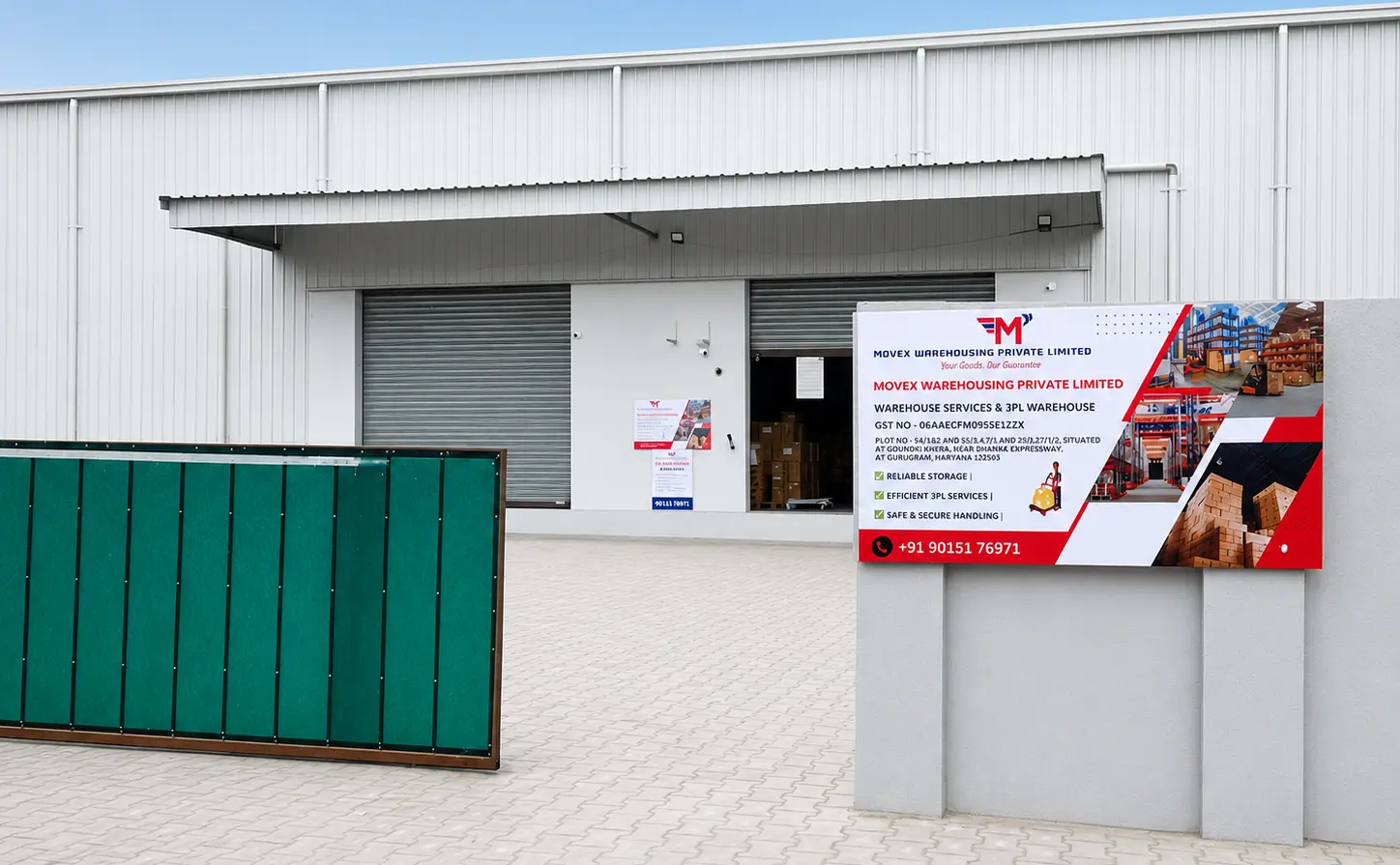
Warehouse Facility in Gurgaon
Total Warehouse Area - 73,000 Sq.Ft.
Operational Space - 50,000 Sq.Ft.
Ready for Immediate Use 15,000 Sq.Ft.
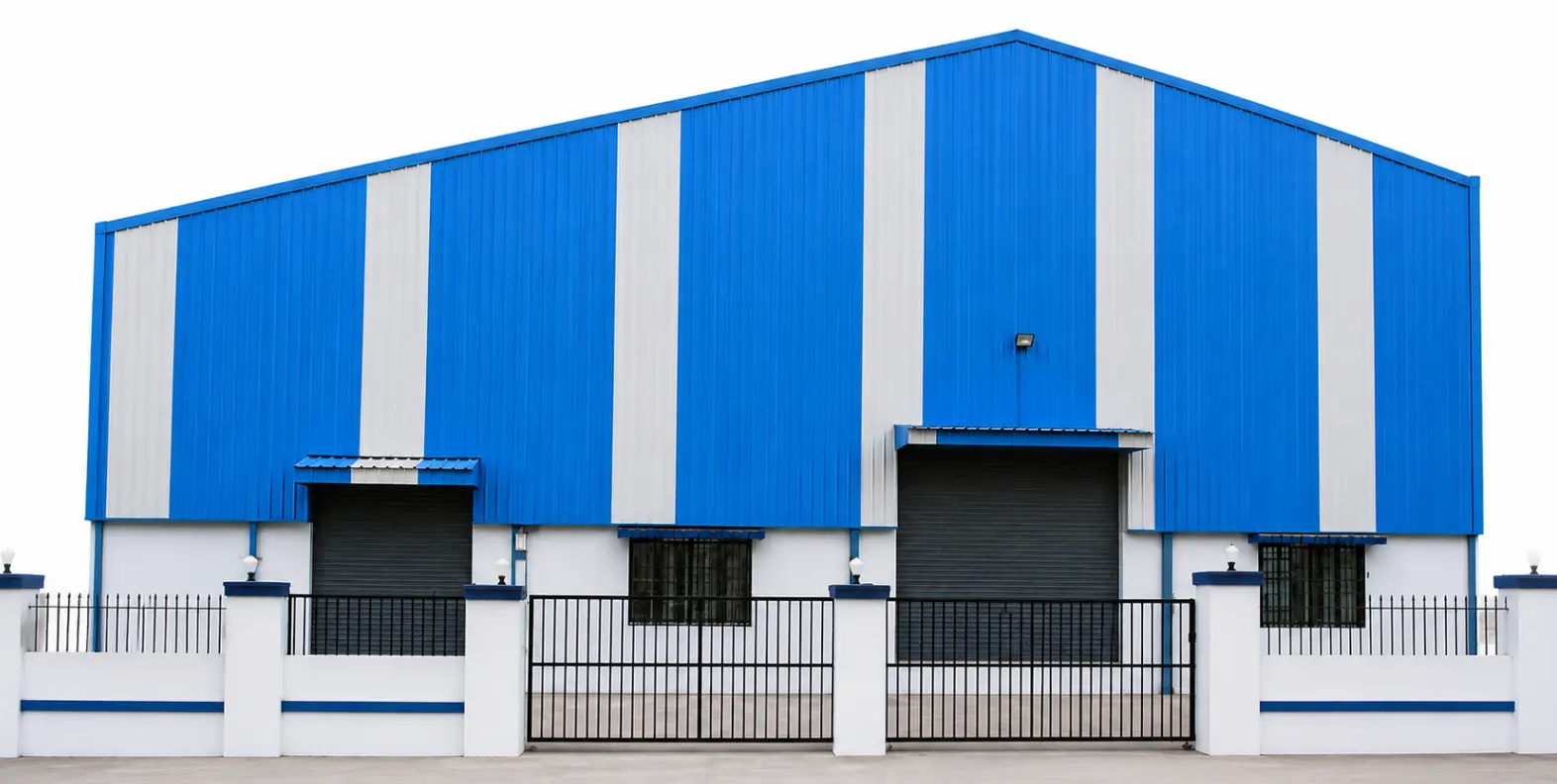
Warehouse Facility in Delhi
Total Warehouse Area - 43,000 Sq.Ft.
Operational Space - 30,000 Sq.Ft.
Ready for Immediate Use 13,000 Sq.Ft.
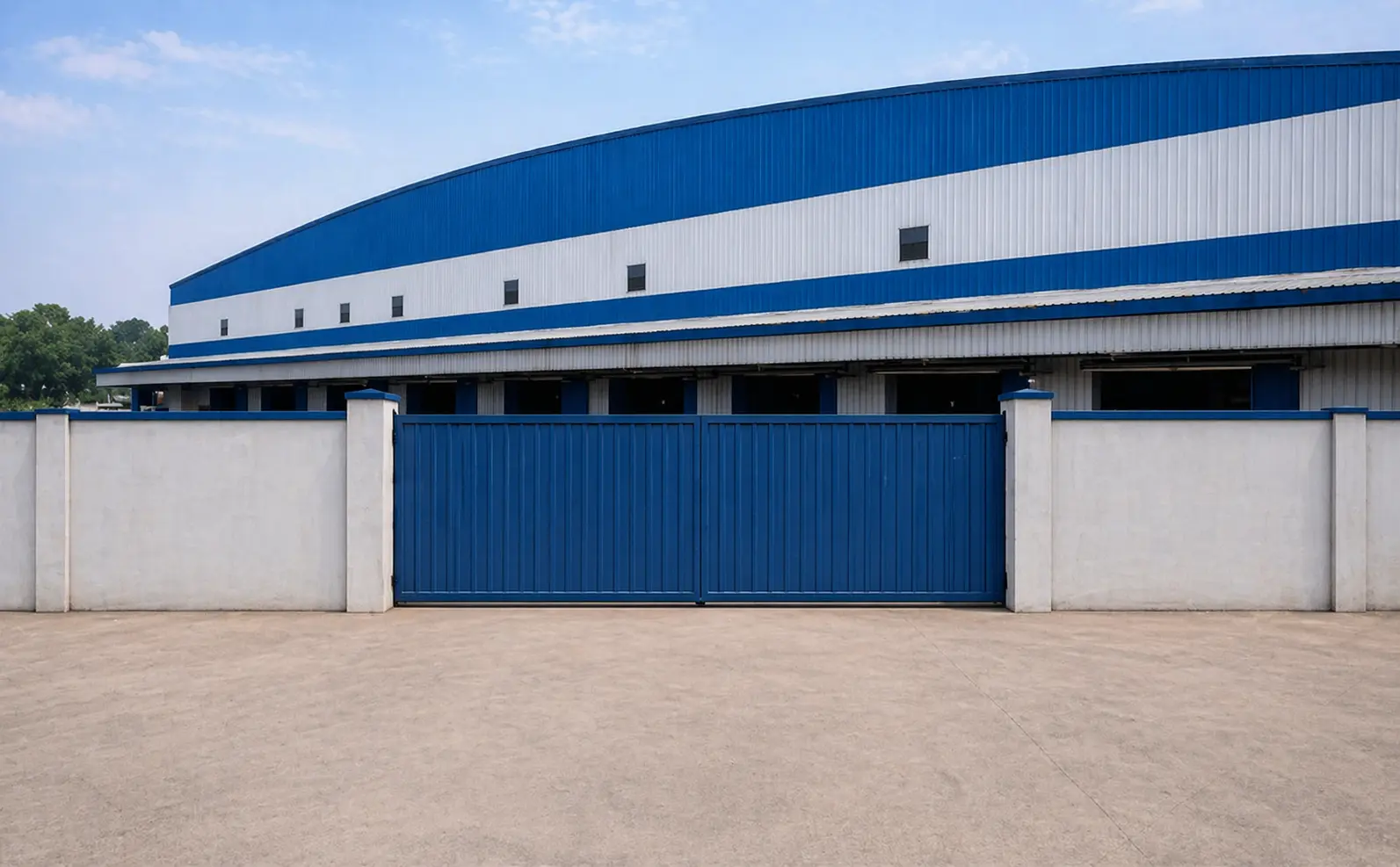
Warehouse Facility in Noida
Total Warehouse Area - 25,000 Sq.Ft.
Operational Space - 15,000 Sq.Ft.
Ready for Immediate Use 10,000 Sq.Ft.
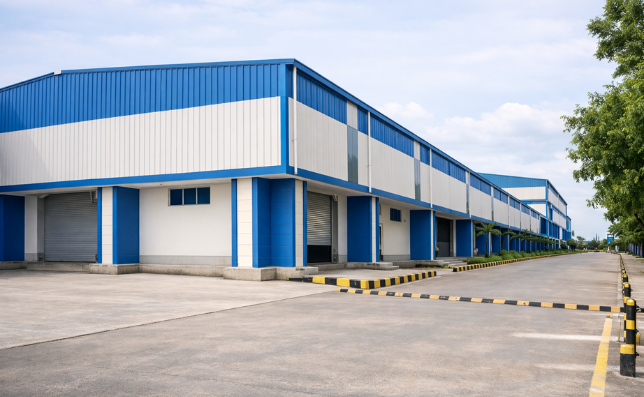
Warehouse Facility in Ghaziabad
Total Warehouse Area - 25,000 Sq.Ft.
Operational Space - 18,000 Sq.Ft.
Ready for Immediate Use 7,000 Sq.Ft.
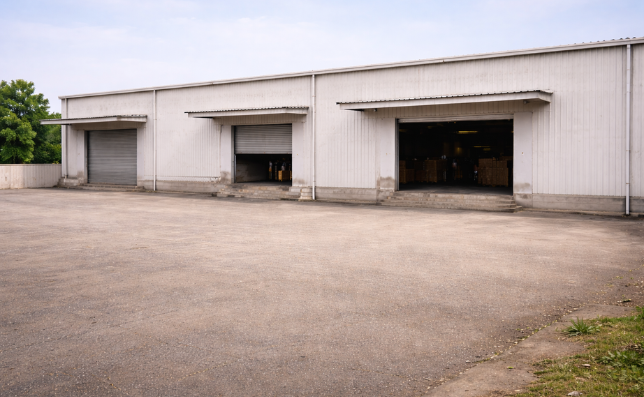
Warehouse Facility in Jammu
Total Warehouse Area - 18,000 Sq.Ft.
Operational Space - 12,000 Sq.Ft.
Ready for Immediate Use 6,000 Sq.Ft.
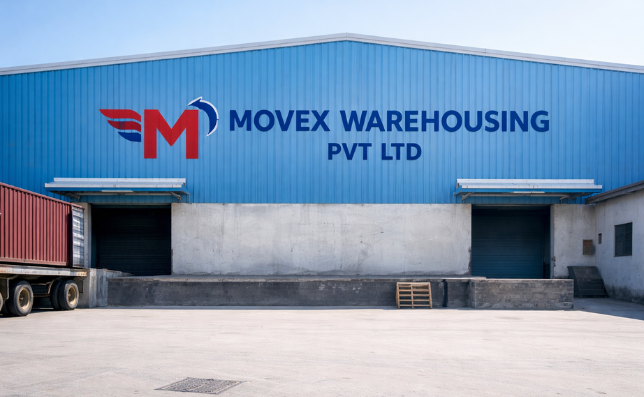
Warehouse Facility in Jaipur
Total Warehouse Area - 20,000 Sq.Ft.
Operational Space - 15,000 Sq.Ft.
Ready for Immediate Use 5,000 Sq.Ft.
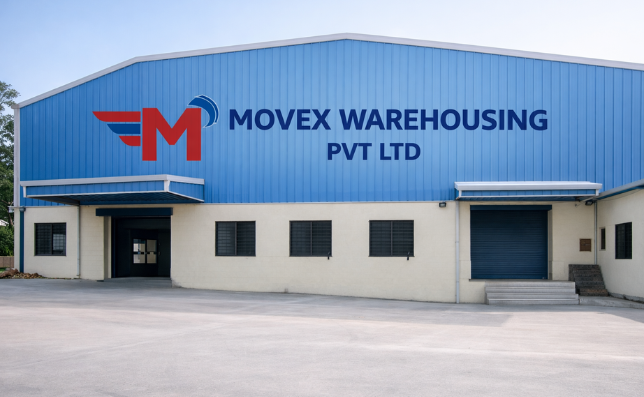
Warehouse Facility in Lucknow
Total Warehouse Area - 15,000 Sq.Ft.
Operational Space - 10,000 Sq.Ft.
Ready for Immediate Use 5,000 Sq.Ft.
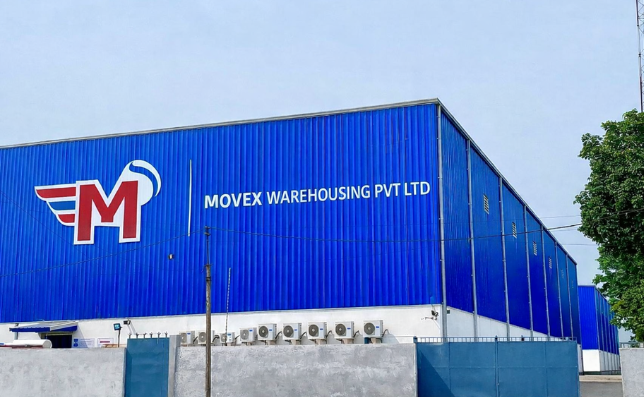
Warehouse Facility in Kolkata
Total Warehouse Area - 25,000 Sq.Ft.
Operational Space - 18,000 Sq.Ft.
Ready for Immediate Use 7,000 Sq.Ft.
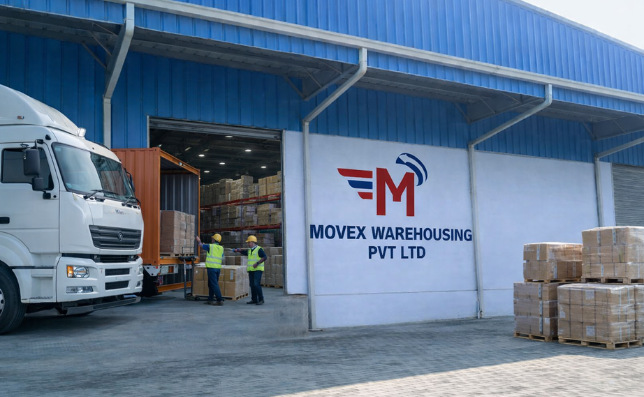
Warehouse Facility in Mumbai
Total Warehouse Area - 53,000 Sq.Ft.
Operational Space - 40,000 Sq.Ft.
Ready for Immediate Use 13,000 Sq.Ft.
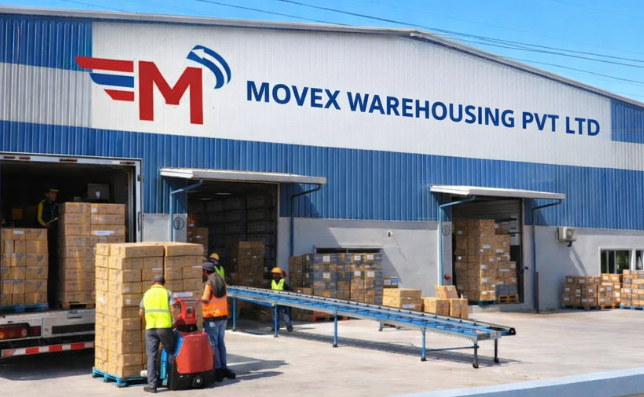
Warehouse Facility in Bangalore
Total Warehouse Area - 55,000 Sq.Ft.
Operational Space - 45,000 Sq.Ft.
Ready for Immediate Use 10,000 Sq.Ft.
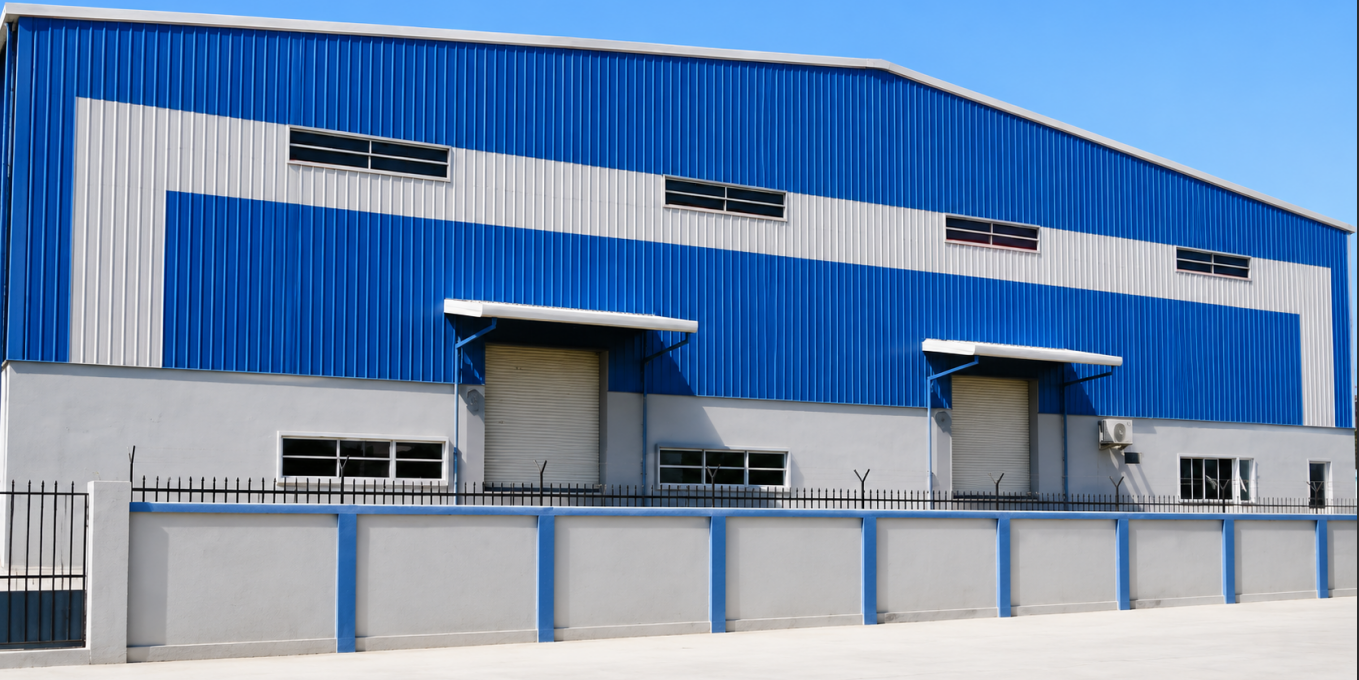
Warehouse Facility in Hyderabad
Total Warehouse Area - 30,000 Sq.Ft.
Operational Space - 15,000 Sq.Ft.
Ready for Immediate Use 15,000 Sq.Ft.
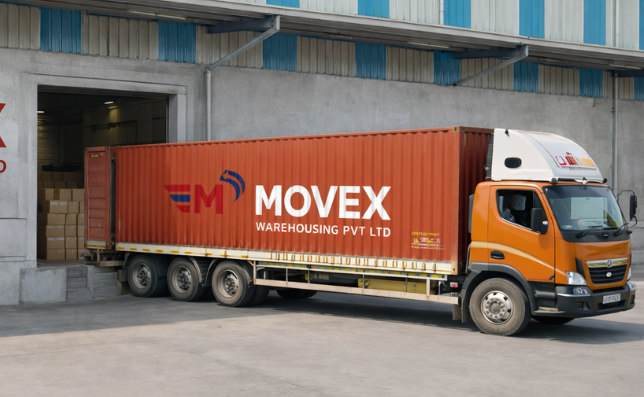
Warehouse Facility in Pune
Total Warehouse Area - 20,000 Sq.Ft.
Operational Space - 15,000 Sq.Ft.
Ready for Immediate Use 5,000 Sq.Ft.
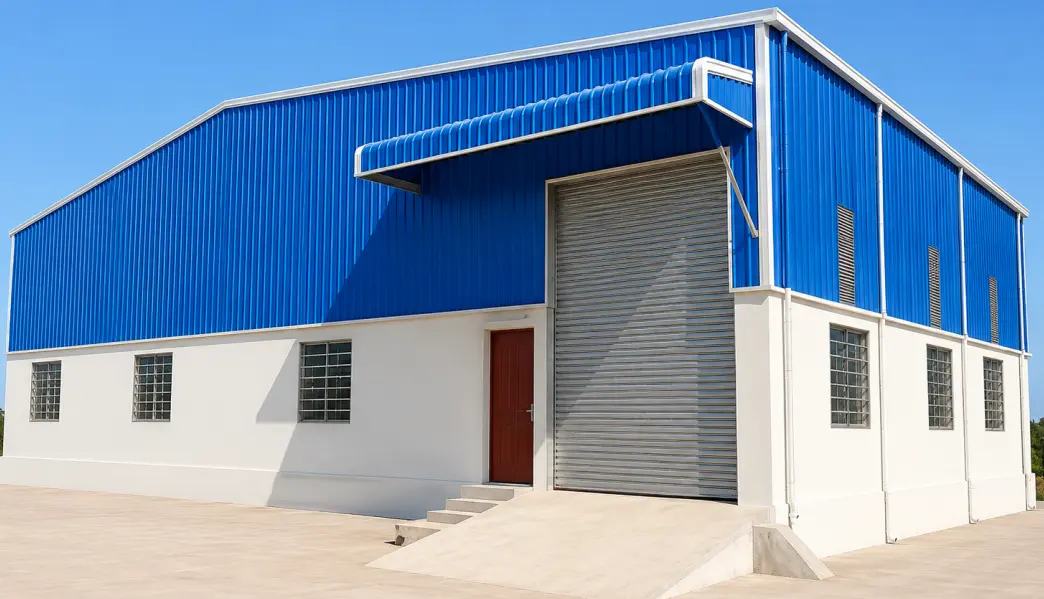
Warehouse Facility in Chennai
Total Warehouse Area - 20,000 Sq.Ft.
Operational Space - 15,000 Sq.Ft.
Ready for Immediate Use 5,000 Sq.Ft.
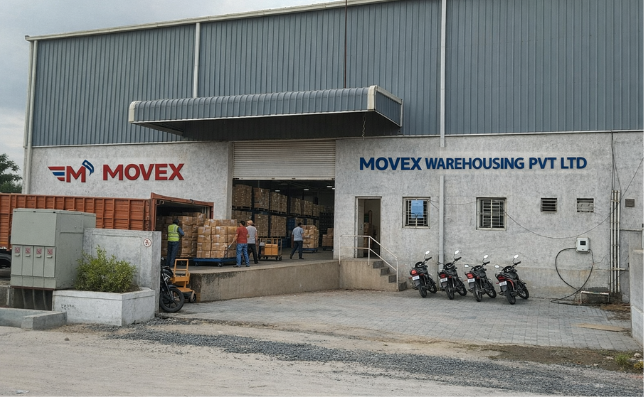
Warehouse Facility in Ahmedabad
Total Warehouse Area - 40,000 Sq.Ft.
Operational Space - 15,000 Sq.Ft.
Ready for Immediate Use 25,000 Sq.Ft.
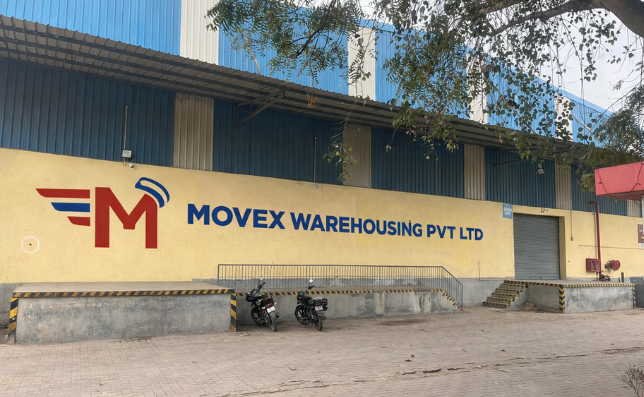
Warehouse Facility in Patna
Total Warehouse Area - 15,000 Sq.Ft.
Operational Space - 10,000 Sq.Ft.
Ready for Immediate Use 5,000 Sq.Ft.
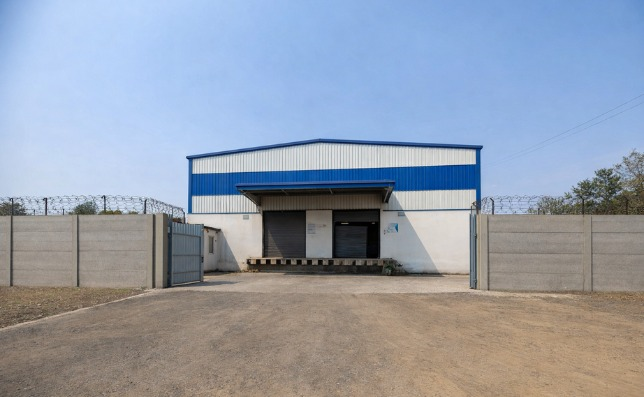
Warehouse Facility in Bhiwandi
Total Warehouse Area - 25,000 Sq.Ft.
Operational Space - 18,000 Sq.Ft.
Ready for Immediate Use 7,000 Sq.Ft.
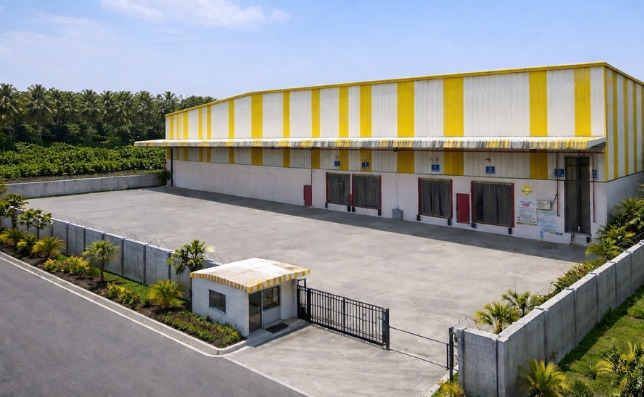
Warehouse Facility in Nagpur
Total Warehouse Area - 18,000 Sq.Ft.
Operational Space - 12,000 Sq.Ft.
Ready for Immediate Use 6,000 Sq.Ft.
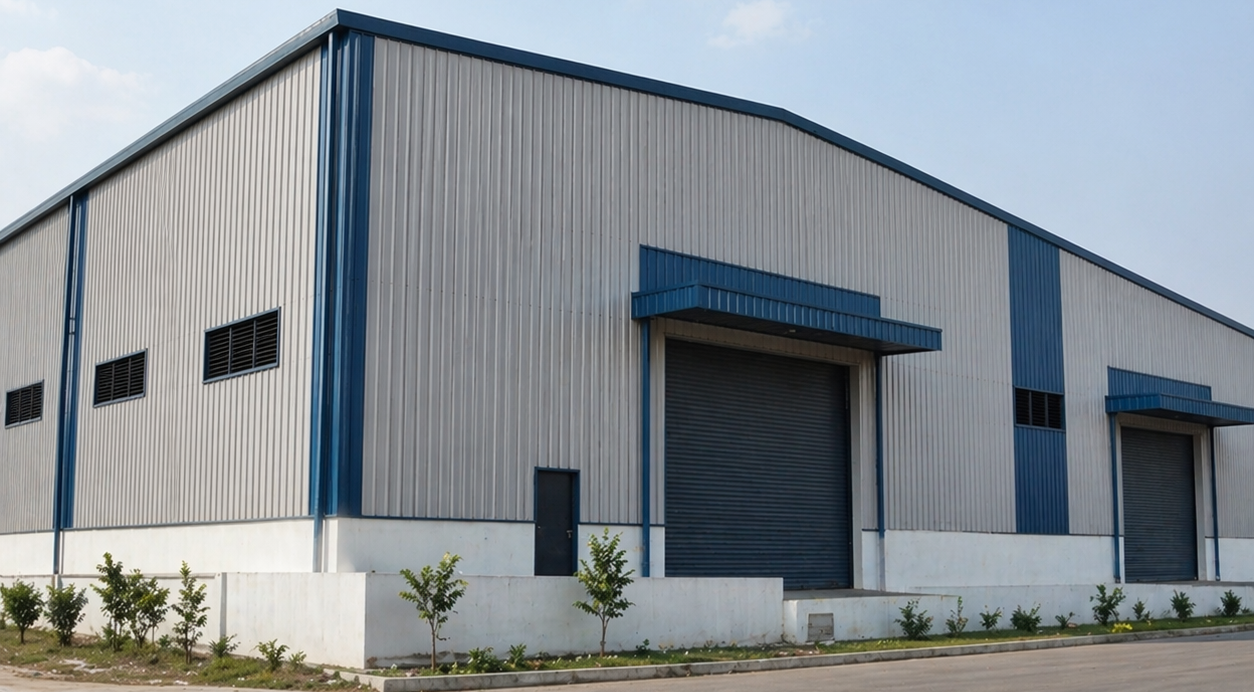
Warehouse Facility in Bhopal
Total Warehouse Area - 15,000 Sq.Ft.
Operational Space - 10,000 Sq.Ft.
Ready for Immediate Use 5,000 Sq.Ft.
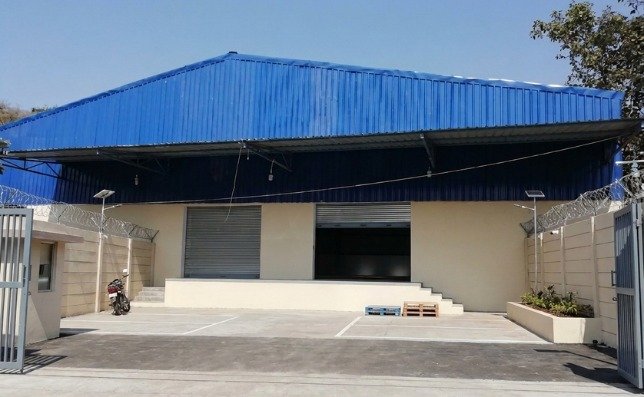
Warehouse Facility in Hisar
Total Warehouse Area - 12,000 Sq.Ft.
Operational Space - 8,000 Sq.Ft.
Ready for Immediate Use 4,000 Sq.Ft.

Warehouse Facility in Vijayawada
Total Warehouse Area - 12,000 Sq.Ft.
Operational Space - 8,000 Sq.Ft.
Ready for Immediate Use 4,000 Sq.Ft.
News & Blog
Movex News & Insights
Stay updated with the latest trends, innovations, and stories from the logistics world.
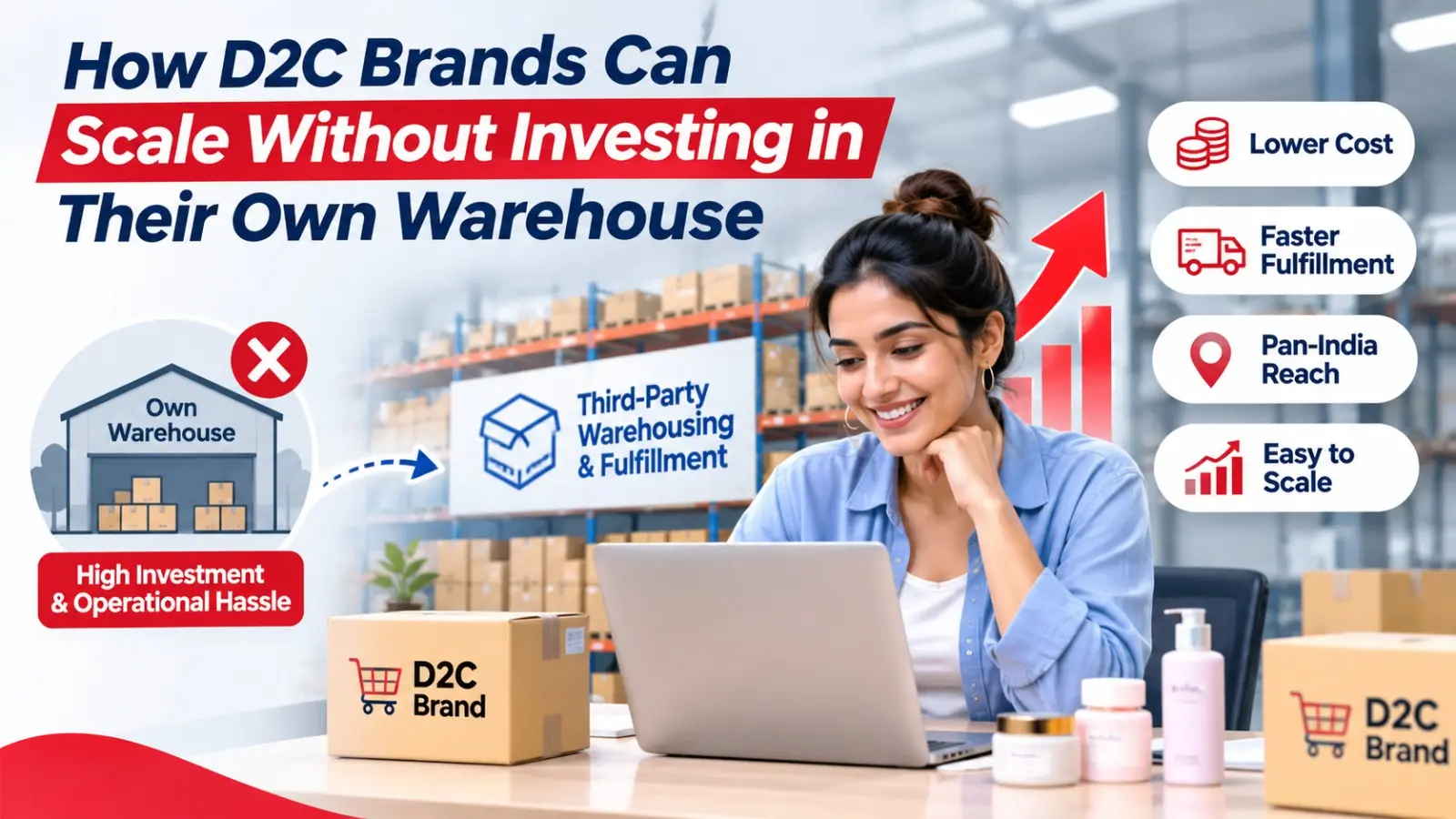

How D2C Brands Can Scale Without Own Warehouse
Direct-to-Consumer (D2C) companies can scale their business without invest in their own warehouse. Outsourcing fulfillment to third-party logistics (3PL) providers, using drop-shipping,
Read More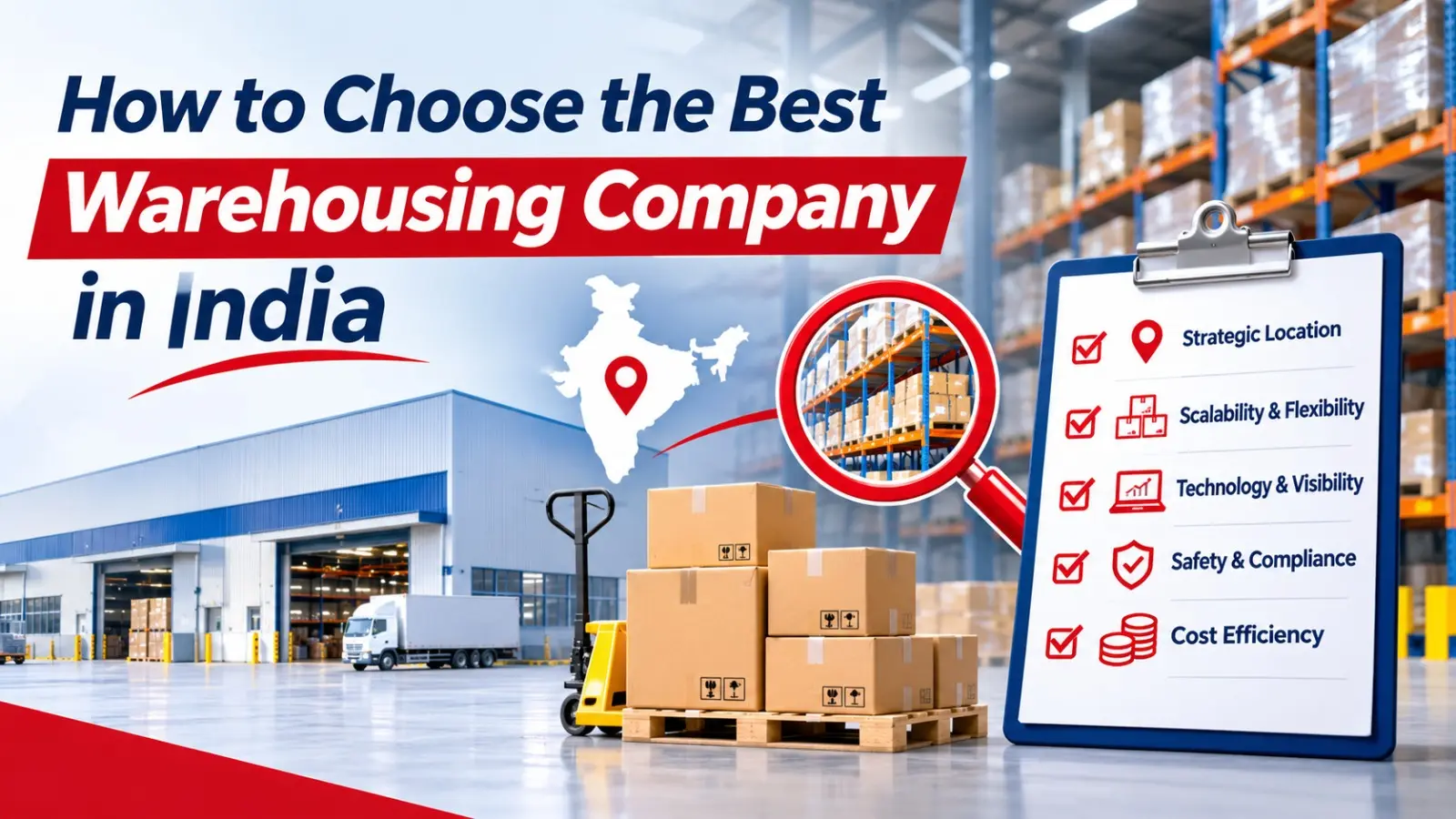
How To Choose Best Warehousing Company In India
Secure warehousing is important if you want seamless supply chain operations for your business. No matter what type of industry you are in- manufacturing, retail, e-commerce, FMCG, pharmaceuticals, or distribution.
Read More
Complete Guide To Warehousing Solutions In Pune
Pune has become one of India's leading centres for industry and logistics because of the increased demand for online shopping, manufacturing, and retail. Because the need for choosing the right warehouse in Pune.
Read MoreWhat Our Customers Say

We have been using Movex Warehousing services for years, and their experienced team consistently delivers reliable storage, efficient inventory management, and timely deliveries.

Rakesh Sharma
Thanks to Movex Warehousing, our goods remain secure and well-organized. Their team has streamlined our logistics operations, helping us improve efficiency and reduce delays.

Sachin Saini
I am impressed with the modern warehouse facilities and timely support provided by Movex Warehousing. Their tracking system and careful handling of goods give us complete peace of mind.
Over 100+ reputable companies have placed their trust in Movex






our presence
Warehouse & Fulfillment Hubs
Nashik
•
Haldwani
•
Baddi
•
Dehradun
•
Zirakpur
•
Kolhapur
•
Ambala
•
Rohtak
•
Karnal
•
Sonipat
•
Rajkot
•
Mundra
•
Gorakhpur
•
Vadodara
•
Kota
•
Kanpur
•
Jodhpur
•
Bhiwadi
•
Faridabad
•
Manesar
•
Varanasi
•
Meerut
•
Prayagraj
•
Ranchi
•
Bhubaneswar
•
Silliguri
•
Indore
•
Coimbatore
•
Cochin
•
Guntur
•
Cuttack
•
Mysore
•
Guwahati
•
Visakhapatnam